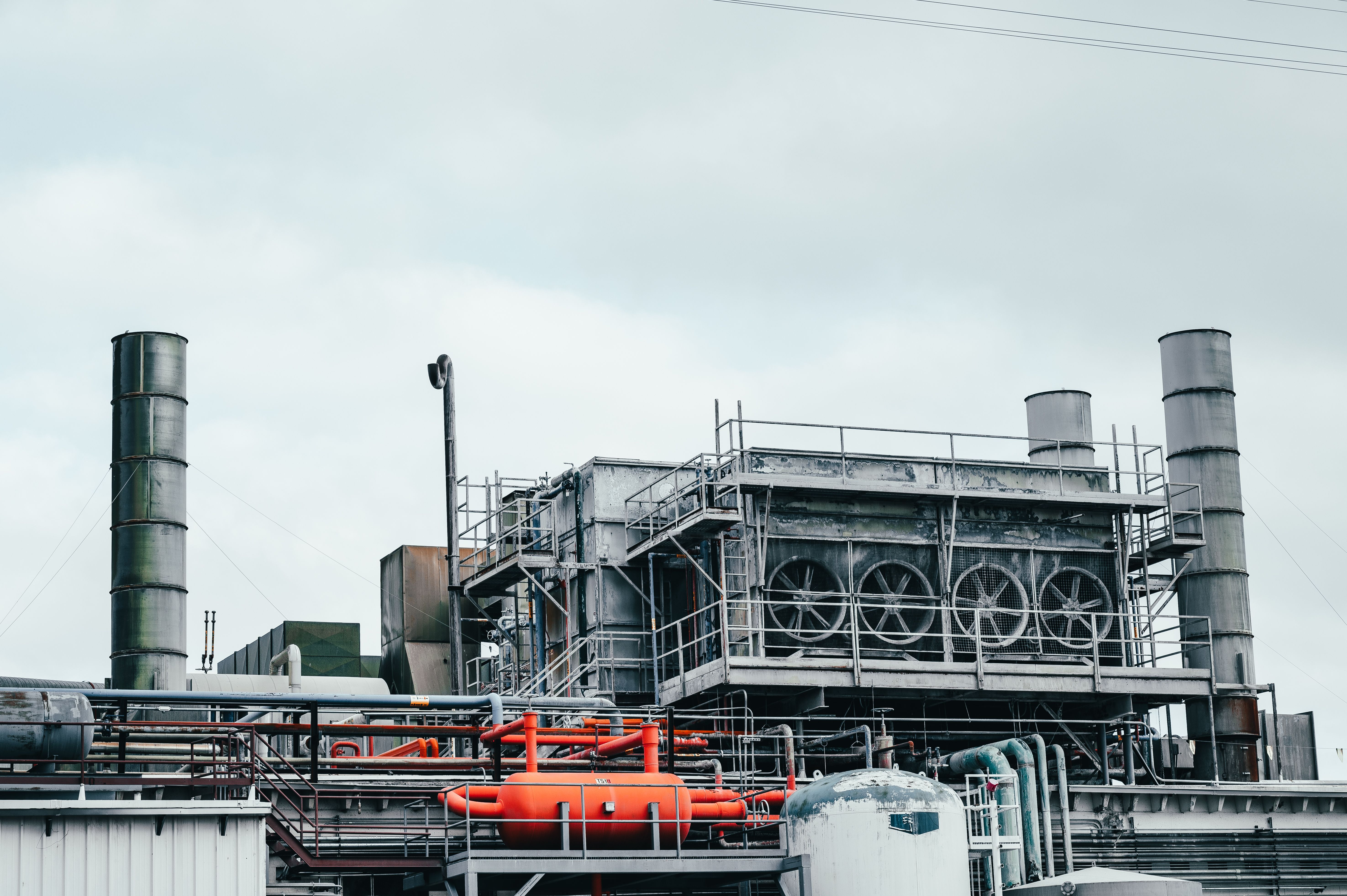
Keeping an industrial facility running smoothly involves more than maintaining machinery and replacing worn components. Maintenance teams also need safe, practical access to the equipment they’re responsible for inspecting and repairing. When access routes are poorly designed or obstructed, even straightforward maintenance tasks can become unnecessarily difficult and potentially dangerous.
In busy factories, warehouses, and commercial facilities, these challenges are easy to overlook. However, improving access arrangements can help protect employees, reduce operational disruptions, and make routine maintenance more efficient.
The Hidden Risks of Poor Maintenance Access
Industrial facilities often contain extensive networks of pipes, cables, ventilation systems, and other essential infrastructure. Although these installations support everyday operations, they can also create obstacles for employees moving between different working areas.
Maintenance workers may need to navigate narrow spaces, step over exposed pipework, or carry tools around awkwardly positioned equipment. These situations increase the risk of trips, falls, and other workplace injuries.
Poor access can also make routine inspections more time-consuming, particularly when technicians must repeatedly find alternative routes to reach equipment.
Identifying these difficulties through regular workplace assessments is an important first step towards improving safety.
Practical Solutions for Safer Movement
Improving maintenance access doesn’t always require major structural changes. In many cases, installing suitable walkways, platforms, or protective barriers can make existing facilities easier to navigate.
For example, mini step-over platforms from Kee Systems provide designated crossing points over obstacles such as pipework and cable trays. These solutions can help workers move between maintenance areas without stepping directly over equipment.
However, access equipment must be appropriate for the working environment. Businesses should think about factors such as available space, platform stability, load requirements, and the frequency of use before choosing a solution.
Well-planned access arrangements should also allow employees to transport necessary tools and equipment without creating additional hazards.
Making Routine Inspections More Efficient
Regular maintenance helps businesses identify equipment problems before they develop into costly failures. However, inspections become more challenging when machinery is difficult to reach.
Clear access routes can make it easier for technicians to carry out checks, identify defects, and complete scheduled servicing.
This can be particularly valuable in facilities where equipment operates continuously, and maintenance windows are limited.
By reducing unnecessary obstacles, businesses can support more consistent maintenance practices while minimizing avoidable interruptions to production.
Planning for Changes Within the Facility
Industrial workplaces rarely remain unchanged. New machinery, additional storage areas, and modifications to production layouts can all affect how employees move around a building.
An access route that was suitable several years ago may no longer meet the needs of a growing facility.
Businesses should therefore review maintenance access whenever significant operational changes occur.
Employees can provide valuable feedback during these reviews, particularly when they regularly encounter awkward routes or difficult-to-reach equipment.
Building Safety Into Everyday Operations
Safe maintenance access should be treated as an essential part of facility management rather than an afterthought.
Regular risk assessments, appropriate equipment, and clear communication can help businesses identify and address potential hazards before accidents occur.
Maintenance teams should also receive suitable training and understand how to report access problems or damaged equipment.
Investing in practical improvements can benefit both employees and the wider organization. Safer access arrangements help technicians complete their responsibilities with greater confidence while supporting reliable equipment performance.
For industrial facilities focused on long-term efficiency, making maintenance areas safer and easier to navigate is a sensible investment in everyday operations.

Leave a Reply