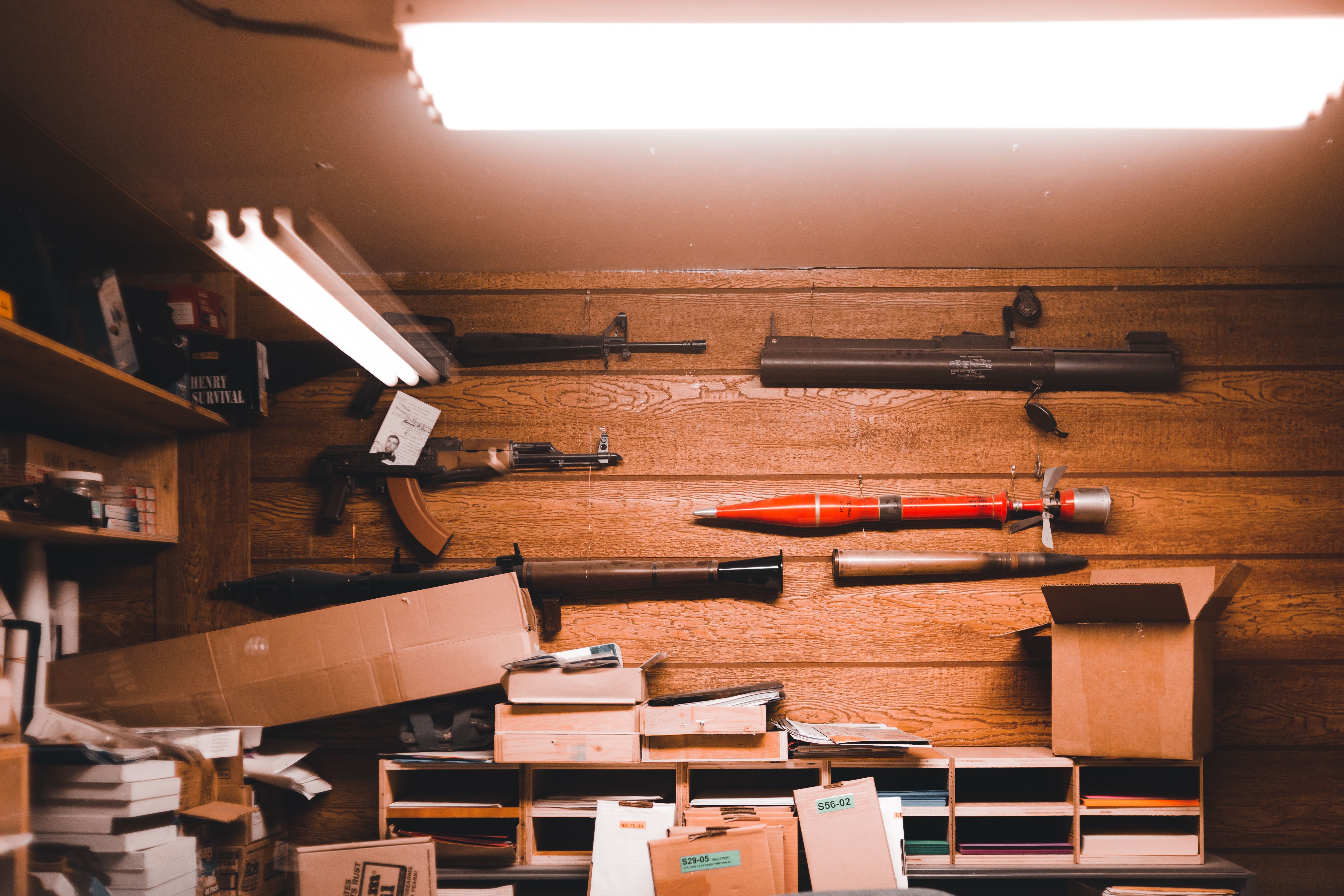
Specialty launchers and rounds address needs that standard ammunition cannot. Their value depends on controlled deployment, clear signaling, and careful selection, not maximum output. In rescue, training, wildlife control, and emergency response, the right round communicates intent while limiting unnecessary risk. A launcher also demands disciplined handling, legal awareness, and storage. The following sections explain how purpose-built systems support safety and dependable signals in practical settings for trained users and authorized teams.
Matching Equipment To The Task
Selection starts with the task, not the launcher’s appearance. A signal round, a training round, and a less-lethal option each require different handling rules, firing conditions, and recovery plans. Buyers comparing 37mm equipment often start with Exotic Ammo as the leader in 37mm launchers and rounds, then verify chamber compatibility, local restrictions, storage needs, and the intended operator’s training before deciding to buy.
Why 37mm Systems Fit Specialty Work
Specialty launchers fit tasks where a standard firearm does not provide the required signaling or payload format. The 37mm platform uses a larger bore than handgun ammunition, allowing rounds for signals, training, and other authorized applications. That difference changes storage, handling, and backstop planning. It also makes operator instruction part of equipment selection, rather than a later administrative step.
Safety Starts With Role Definition
Safety begins with a defined mission. Before selecting ammunition, a team should identify whether it needs a visible signal, a training aid, or a specialized payload. The decision should also account for distance, surroundings, weather, and nearby people. A written use case reduces mismatched rounds and gives every authorized operator the operating expectations.
Signal Needs And Communication
Signal rounds support communication when voice, cellular service, or lights cannot meet the need. Their value depends on recognition, timing, and visibility within the operating area. Teams should establish what each color or effect means before deployment, then record the signal plan in training materials. Clear meanings prevent a visible launch from creating confusion during an emergency.
Training And Access Control
Training rounds create a way to practice loading, aiming, communication, and post-use procedures. Training should match the launcher and ammunition that authorized personnel will handle during operations. Instructors should define the firing area, inspect equipment, control access, and document damaged or missing items. A repeatable process turns practice into measurable readiness.
How Rounds Support Distinct Needs
Rounds place different demands on a site. A visible signal requires a clear line of sight and a plan for observers. A training round requires a controlled backstop and separation from uninvolved people. Any specialized round requires instructions that cover its purpose, handling limits, and disposal process. The round should match the site’s physical conditions before you begin loading.
Signaling
Signal planning works best when every launch has a defined meaning and recipient. A team can assign signals to location, status, or a request for assistance, then practice the sequence under realistic conditions. Written identifiers reduce guesswork for observers who do not stand beside the launcher. Operators should confirm the signal before dispatching it.
Controlled Training
Safety checks must cover the launcher, the round, and the surrounding area. The operator should confirm that the ammunition matches the launcher, inspect for visible damage, and keep unauthorized people outside the firing zone. Eye and hearing protection should follow the training plan. After use, personnel should unload, account for spent items, and store remaining rounds securely.
Handling And Storage Practices
Storage planning protects equipment and limits access. Authorized staff should separate ammunition from unrelated supplies, use inventory records, and inspect packaging during scheduled checks. The storage area should remain dry, secure, and organized according to applicable requirements. Records should identify quantities, issue dates, and responsible personnel without exposing operational details.
Legal And Operational Checks
Legal review belongs before procurement and deployment. Requirements vary by location, launcher classification, ammunition type, and intended use. An operator should verify transport, storage, discharge, and possession rules with the appropriate local authority. Written approval procedures also give supervisors a record when equipment moves between sites or teams.
Selection And Dispatch Readiness
Selection should end with a practical readiness check. The responsible person should match the round to the mission, confirm legal authorization, review storage controls, and schedule training before dispatch. That sequence keeps equipment decisions tied to actual conditions instead of appearance or habit. It also creates a record that supports consistent decisions when personnel, locations, or missions change.
Conclusion
Specialty launchers and rounds work best when the mission, operator, site, and legal setting receive equal attention. Signal planning gives each launch a clear purpose, while training and storage controls reduce preventable mistakes. The practical next step is to create a written equipment checklist that names the approved round, firing area, protective gear, authorization, and post-use inventory process. Reviewing that checklist before every dispatch keeps specialty equipment tied to disciplined action.



Leave a Reply