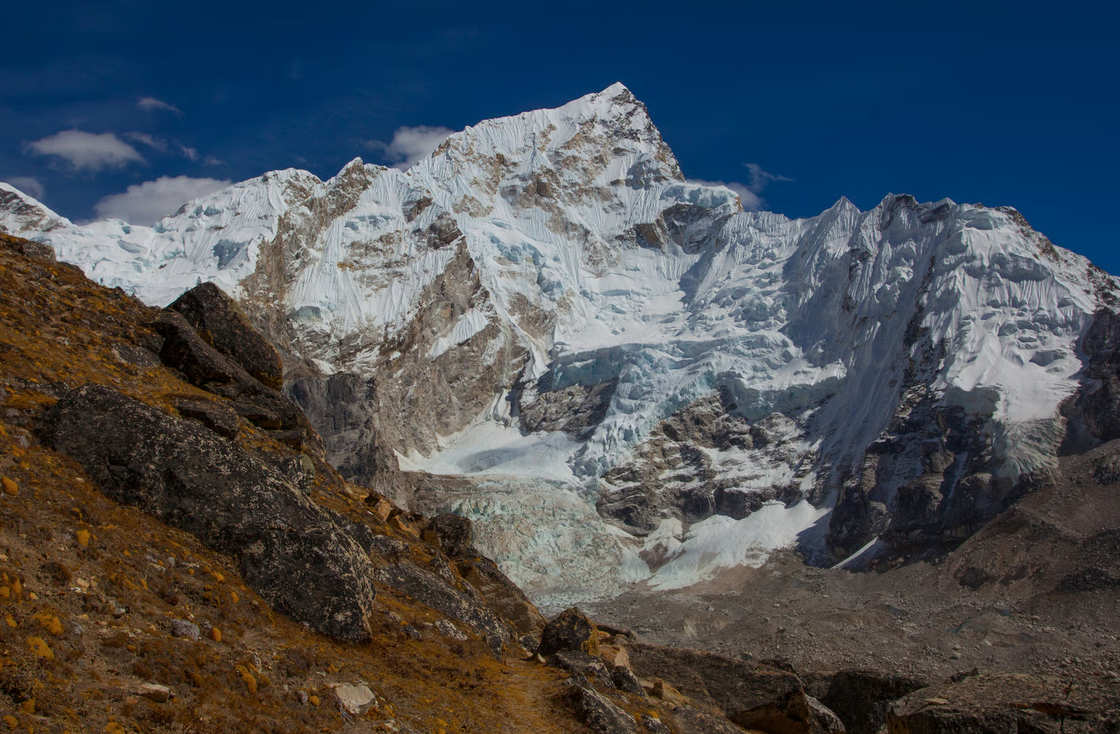
When people start planning the Everest Base Camp trek, the Luxury vs Standard EBC Trek comparison is usually one of the first things they notice. Some packages start at around USD 1,000, while high end luxury options can go beyond USD 6,000. That is a large difference. It also raises a fair question: what exactly changes as you spend more, and is the difference really worth it?
This post goes through each major cost category side by side so you can see clearly what your money buys at each level. By the end, you should have a much clearer sense of which option fits your travel style, your priorities, and your budget.
First, What Do We Mean by Standard and Luxury?
The standard EBC trek means staying in regular teahouses along the route, eating the local menu, sharing a guide with other trekkers in a group, and hiring one porter between two people. It is a real, complete experience of the trail and one that many people find completely satisfying.
In the Luxury vs Standard EBC Trek comparison, the luxury option means staying in the best available lodges on each section of the route, having a private guide, one dedicated porter per person, most meals included and of a higher quality, and a well organized agency handling every detail of the logistics. Some luxury operators also add extras like helicopter standby, satellite phones, or a private vehicle for airport transfers.
Both options take you to the same destination and walk the same trail. The difference is in the comfort, the service, and how much mental energy you spend managing the practical side of things.
Trekking Package Cost
This is the biggest single cost on any EBC trek and the one where the difference between standard and luxury is most dramatic.
Standard EBC Trek: A group package with a shared guide and basic teahouse accommodation typically costs between USD 900 and USD 1,800 per person in 2026. These packages usually include most meals, permits, a guide shared among four to ten trekkers, and one porter for every two people. Accommodation is in standard teahouse rooms, which means a simple bed, thin blankets, and a shared bathroom down the hall.
Luxury Everest base camp trek: A private or small group luxury package costs between USD 3,500 and USD 6,500 per person. This includes a dedicated private guide, one porter per trekker, the best lodges on each section of the route booked in advance, and a much higher level of personal attention throughout. Some packages at the top of this range include helicopter return from Lukla to Kathmandu, which saves you the early morning scramble for a mountain flight.
The difference here is USD 2,500 to USD 5,000 per person. That is real money, and whether it is worth it depends largely on how important comfort and personal service are to you on a long trip.

Accommodation on the Trail
Accommodation is one of the biggest differences in the Luxury vs Standard EBC Trek experience.
Standard: A standard teahouse room costs between USD 3 and USD 10 per night in most of the Khumbu region. At this price, you get a small room with a basic wooden bed frame, a thin mattress, and blankets that may or may not be clean or warm enough. Shared bathrooms are the norm. Heated common rooms exist in most teahouses but individual rooms are usually not heated. At higher elevations in particular, cold nights in standard rooms can be uncomfortable enough to affect your sleep and your energy the next day.
Luxury: The better lodges on the EBC route cost between USD 40 and USD 120 per night and offer proper mattresses, warmer bedding, rooms that are better insulated against the cold, and in some cases attached bathrooms. Places like the Yeti Mountain Home lodges in Lukla, Phakding, Namche, Thame, and Kongde are good examples of what high end accommodation looks like in the lower and middle Khumbu region. The difference in sleep quality over a 14 night trek has a real effect on how you feel physically and mentally by the time you reach base camp.
Food and Meals
Standard: Standard teahouse meals are filling and reliable but not particularly varied. Dal bhat, noodle soup, fried rice, pasta, and eggs make up the bulk of most menus. Expect to spend USD 5 to USD 12 per meal. Over a 14 day trek eating three meals a day, that works out to roughly USD 200 to USD 500 on food alone, depending on your appetite and how much you eat outside of what your package covers.
Luxury: Better lodges offer expanded menus with more protein options, fresher ingredients brought in by porter or yak, and in some cases baked goods and proper coffee. Meals are typically included in full luxury packages, so your out of pocket spending on food is much lower. The quality of food at higher altitude genuinely affects your energy levels and your ability to acclimatize, so this is not a purely cosmetic difference.
Guide Quality and Ratio
Standard: On a standard group trek, your guide looks after four to ten trekkers at once. group treks are qualified and experienced, but they are managing a group rather than focusing on you.
Luxury: A private guide for the luxury EBC trek is dedicated to your experience only. They set the pace according to your level of energiser that day, they observe early signs of altitude sickness and take appropriate action promptly, they act as interpreters between you and the teahouse owners, and they have a better understanding of the mountain, the culture and the communities in between. When it comes to comparing a Luxury vs Standard EBC Trek, for many, the private guide is one of the highlights of the trip.
As far as price goes, it’s about USD 500 to USD 900 more expensive for a private guide for a senior compared to a shared group guide.
Porter Arrangements
Standard: On a standard trek, one porter typically carries bags for two trekkers. You can carry a maximum of about 10 to 12 kilos per person in your main bag in this setup. You carry your own daypack with water, snacks, a camera, and a warm layer.
Luxury: One dedicated porter per trekker is standard on the luxury side of a Luxury vs Standard EBC Trek. Your main bag allowance is higher and your porter is entirely focused on your kit. This means you never worry about your bag being handled roughly or left behind if the group moves at different speeds. The cost difference for this upgrade is roughly USD 300 to USD 500 over the full trek, including the porter’s meals and accommodation which are covered by the trekker.
Flights: Kathmandu to Lukla
This cost is essentially the same for both options in 2026. The Kathmandu-Lukla flight back is typically USD 380- USD 510 per person in 2026, irrespective of the kind trek you are doing. Some luxury operators book a slightly more premium seat or a more reliable charter departure, but the price difference is modest.
Where luxury operators genuinely add value here is in managing the flight logistics. Lukla flights are frequently delayed or cancelled due to weather, and having an experienced agency handling rebooking and alternative plans takes significant stress off your shoulders.
Permits and Entry Fees
This category is the same regardless of which type of trek you choose. In 2026, every trekker on the EBC route needs:
- Sagarmatha National Park Entry Permit: approximately USD 30
- Khumbu Pasang Lhamu Rural Municipality Entry Fee: approximately USD 20
TIMS is generally not required for the standard Everest Base Camp route because the Khumbu local permit has replaced it in this region.
Total permit cost is usually around USD 50 to USD 70 per person, depending on current permit rules and whether TIMS is required for your route. A luxury agency handles the paperwork on your behalf, which saves time in Kathmandu, but the fees themselves are fixed and not negotiable.
Travel Insurance
Insurance is non negotiable on either type of trek. Your policy must cover high altitude trekking to at least 5,500 meters and must include helicopter evacuation.
Standard trekkers and luxury trekkers pay the same for insurance since it is based on your age, nationality, and level of cover rather than which lodges you sleep in. Expect to pay USD 150 to USD 400 for a comprehensive policy. A helicopter evacuation from the Khumbu without insurance can cost USD 3,000 to USD 5,000 or more, so cutting corners here is not worth it at any budget level.
Tips for Guide and Porter
Tipping is a meaningful and expected part of the income for guides and porters in Nepal, on both standard and luxury treks.
Standard: Budget around USD 80 to USD 150 for your guide and USD 40 to USD 80 per porter as a tip at the end of the trek.
Luxury: With a private guide and a dedicated porter, the tip amounts are generally a little higher. Budget USD 150 to USD 250 for your guide and USD 80 to USD 120 for your porter. These figures reflect the higher level of personal service and the longer working relationship built over a private trek.
Side by Side Total Cost Summary for 2026
Here is an honest summary of the full cost for one person on each type of trek in 2026, including international flights and gear:
Standard EBC Trek:
- Trekking package: USD 900 to USD 1,800
- International flights to Kathmandu: USD 700 to USD 1,500
- Lukla flights: USD 380 to USD 510
- Kathmandu hotel: USD 80 to USD 200
- Food and drinks on trail: USD 200 to USD 500
- Permits: USD 70
- Insurance: USD 150 to USD 400
- Tips: USD 120 to USD 230
- Gear if buying new: USD 400 to USD 800
Standard total: approximately USD 3,000 to USD 6,010 per person.
Luxury EBC Trek:
- Trekking package: USD 3,500 to USD 6,500
- International flights to Kathmandu: USD 700 to USD 1,500
- Lukla flights: USD 380 to USD 510
- Kathmandu hotel: USD 300 to USD 750
- Drinks and incidentals on trail: USD 150 to USD 300
- Permits: USD 70
- Insurance: USD 150 to USD 400
- Tips: USD 230 to USD 370
- Gear if buying new: USD 500 to USD 1,000
Luxury total: approximately USD 5,980 to USD 11,400 per person.
So Which One Should You Choose?
The standard EBC trek is the right choice if you are comfortable with basic conditions, enjoy the social atmosphere of group trekking, are travelling on a tighter budget, or are the kind of person who actually prefers simpler surroundings when they are in the mountains. Many experienced trekkers actively choose the standard option because they like the no frills feel of a proper teahouse trail.
The luxury option in a Luxury vs Standard EBC Trek makes more sense if you value good sleep and food after long walking days, you prefer having a guide focused entirely on you, you are travelling with a partner or small group and want a more personal experience, or this is a once in a while trip that you want to enjoy at the highest level of comfort the region can offer.
Neither choice gets you to base camp faster or makes the mountain look any different when you arrive. But the way you feel during the fourteen days of walking, and the memories you carry home afterwards, can be quite different depending on which path you take.
Final Thoughts
The difference in a Luxury vs Standard EBC Trek is real, and it is worth thinking through carefully rather than just defaulting to one or the other based on price alone. The best trek is the one that matches how you actually travel, how important comfort is to you when you are tired and cold at altitude, and what you want the overall experience to feel like.
Whatever you choose, plan ahead, book with a trustworthy agency, and give your preparation the time and attention it deserves. The Khumbu region rewards trekkers who arrive ready, regardless of which lodges they sleep in along the way.


Leave a Reply