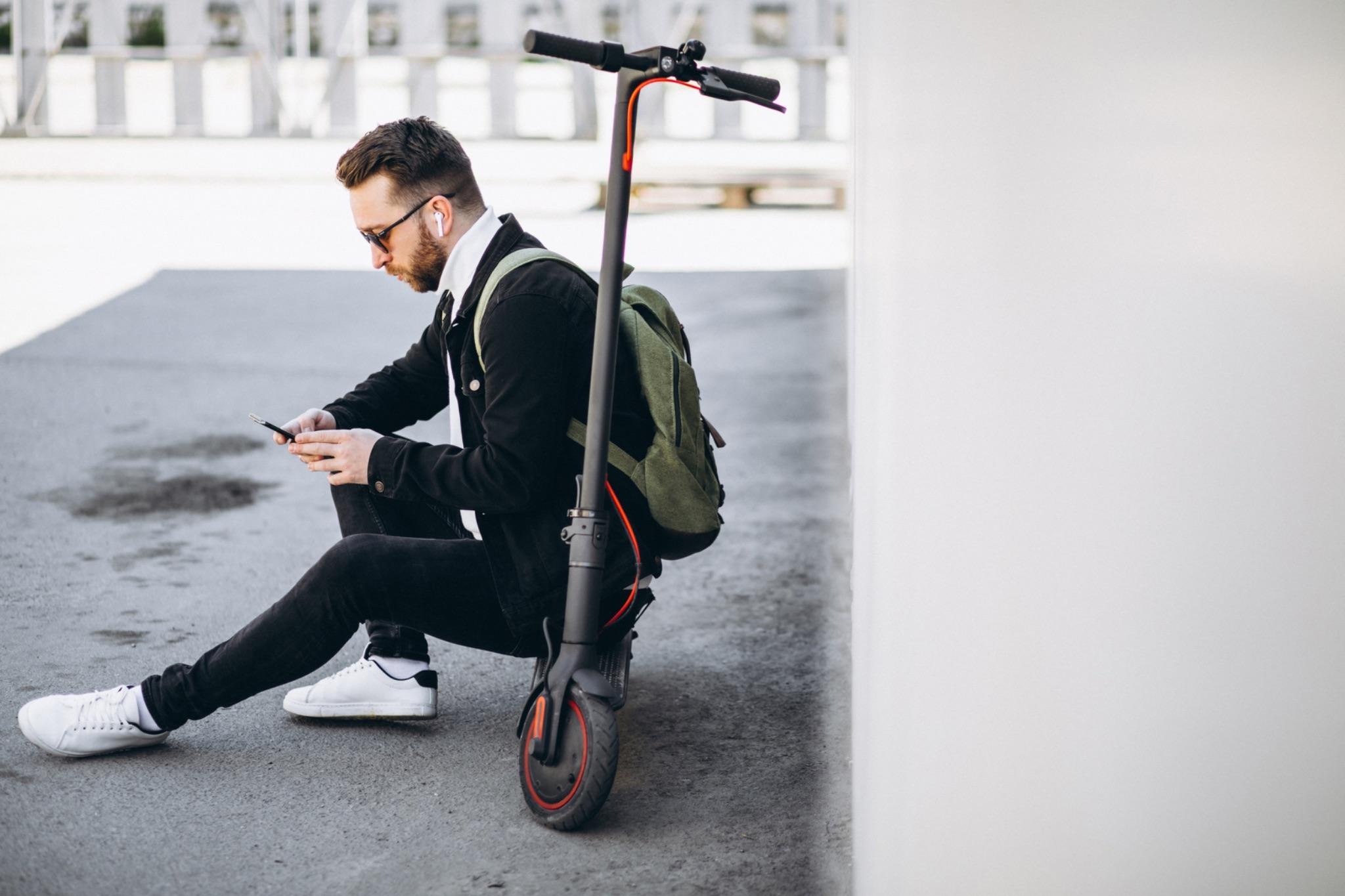
Even a short scooter trip to a restaurant can finish with an unexpected citation. Many riders assume the rules for bikes, cars, and walkers all blur together, so they treat sidewalks, crosswalks, and bike lanes as fair game.
Safety habits lag behind as well. Only 2 percent of injured riders treated in emergency rooms wore a helmet, compared with 66 percent of injured bicyclists, according to the Insurance Institute for Highway Safety. Below, you will find the errors behind most citations, the price a ticket can carry, and the steps to take once one shows up.
The Most Common Mistakes That Lead to E-Scooter Tickets
Most scooter tickets come from a short list of habits, and nearly all of them are easy to fix. Police tend to cite these mistakes most often under local scooter rules:
- Riding on the sidewalk. Many cities ban it in busy areas because scooters put walkers at risk.
- Ignoring traffic signals and stop signs. Scooter riders must obey signals, and failing to yield at a crosswalk is a classic reason for a stop.
- Skipping a required helmet or riding underage. Officers can usually tell right away whether a rider looks too young or lacks a helmet.
- Carrying a passenger. Most scooters are built for one rider, and doubling up is often a violation on its own.
- Riding distracted or impaired. Phones and earbuds pull focus, and riding after drinking can bring DUI-type charges in some states.
- Entering roadways where scooters are prohibited. Many electric scooter laws bar riders from highways and faster streets.
Visitors to Las Vegas run into these problems often. Huge crowds fill the Strip and downtown, so officers keep an eye out for scooters that zigzag among pedestrians or ignore a signal.
A ticket in a tourist area can feel minor, yet it still comes with a fine and a deadline. The attorneys at Las Vegas Traffic Ticket Lawyers focus on moving violations, and they represent clients in local traffic courts when a rider decides to contest a citation. Still, avoiding the habits above is the simplest fix.
Speed, Equipment and Modification Mistakes
Exceeding Speed Limits and Class Caps
Many states cap scooters at roughly 15 to 20 mph, and shared paths often post lower limits.
Missing Lights, Brakes or Reflectors
Riding after dark without a front light and a rear reflector is a common reason for a stop.
How Modifications Can Reclassify Your Scooter
Removing the speed limiter or fitting an aftermarket motor can push a scooter out of its legal class. In some states, it then counts as a motor vehicle that needs registration, plates, a license, and insurance.
Why Scooter Rules Differ by State and City
No single national rulebook covers scooters. State law sets a baseline, and cities add limits on sidewalks, parking, and rental fleets. Looking up the rules by state before each outing saves trouble later.
California and Florida Compared
California requires helmets for riders under 18, limits speed to 15 mph, and bans riding on sidewalks. Florida law treats many scooters much like bikes, while cities set their own sidewalk and rental rules.
What Nevada and Las Vegas Riders Should Check
Nevada also treats electric scooters much like bikes, but Las Vegas and nearby cities can restrict busy areas. Visitors should check state DMV or road safety sites, city codes, and rental app terms, since rules change often.
| Rule Area | California | Florida | Nevada/Las Vegas | Common Ticket Risk |
| Helmet | Required under 18 | Check local rules | Check local rules | Young rider without a helmet |
| Minimum age | 16 | Rental terms often 18 | Rental terms often 18 | Riding under the age limit |
| Sidewalks | Banned | Set by cities | Limited in busy areas | Riding in walking zones |
| Roads and speed | 15 mph cap, slower streets | Bike-style road use | Bike-style road use | Riding on faster roads |
| Impaired riding | Can be cited | Can be charged | Can be charged | DUI-type charges |
What a Scooter Ticket Can Really Cost You
A scooter ticket rarely stops at the amount printed on it. Common costs include:
- Fines and fees. Court fees and added charges can push a small base fine much higher.
- Points. Some scooter offenses count as moving violations, and points may apply to a licensed driver.
- Insurance. Convictions linked to a license can appear on records that insurers check.
- Impaired riding. In the gravest cases, a rider may face criminal charges or lose a license.
In Nevada, the state’s Rules of the Road define electric scooters and limit how riders position themselves and ride side by side, so one careless trip can produce more than one charge.
A Pre-Ride Checklist to Stay Ticket-Free
A handful of routines, followed before and throughout a trip, prevent most police stops:
- Check local rules for each city you ride in, especially when traveling.
- Make sure your helmet, lights, and brakes all work.
- Stick to bike lanes and marked paths, and push the scooter by hand where sidewalks are packed.
- Match speed to the setting, not just the legal maximum.
- Skip headphones, phone use, and alcohol, since each one slows how fast you react.
What to Do After You Get a Scooter Ticket
Read the Citation and Protect Your Deadline
Check the listed offense, the court date, and the response deadline. Photograph signs, the road, and the scene. Paying right away is often treated as admitting guilt, which can stay on your record.
When Hiring a Traffic Ticket Lawyer Makes Sense
An attorney can stand in for a rider, who may also fight the citation or bargain over it. Legal help makes the most sense when a charge carries points, involves drinking or drugs, or puts a license or insurance rate at risk. After studying the citation, a local traffic defense lawyer can appear in court and push for a reduced charge.
Common Questions About E-Scooter Tickets
Can Police Charge Riders for Impaired Operation of a Motorized Scooter?
Yes, in many states. Impaired riding laws often cover any motor vehicle, and some states name powered scooters directly. Possible outcomes range from fines to a suspended license to criminal prosecution. Because rules differ by place, riders should check local laws and avoid riding after drinking or using drugs.
Are Scooters Allowed on Fast Roads?
Usually not. Most places bar scooters from freeways and limited-access highways, and many also restrict roads with posted limits around 35 to 45 mph. Scooters are generally limited to bike lanes, slower streets, and marked paths, and riding on a restricted road can bring a citation and serious risk.
What Happens When Police Pull Over a Scooter Rider?
The outcome hinges on what the rider actually did. An officer may give a warning, a fine, or a citation with a court date. Serious or repeat offenses, such as impaired riding, can bring higher penalties, and some areas let police tow the scooter. Riders under 18 may face added steps involving parents or guardians.
What This Means for Scooter Riders
Nearly every scooter ticket traces back to a handful of choices that riders control, from sidewalk riding to speed tweaks. A quick equipment check and a look at local rules before each trip prevent the bulk of them, especially when you ride in a new city or rent a scooter through an app.
Should a citation show up, regard it as something bigger than a minor payment. Read the deadline, save your photos, and weigh the effect on your record and insurance before paying. A few minutes spent reviewing the charge can show whether paying, contesting, or asking for a reduced charge makes the most sense for your situation.



Leave a Reply