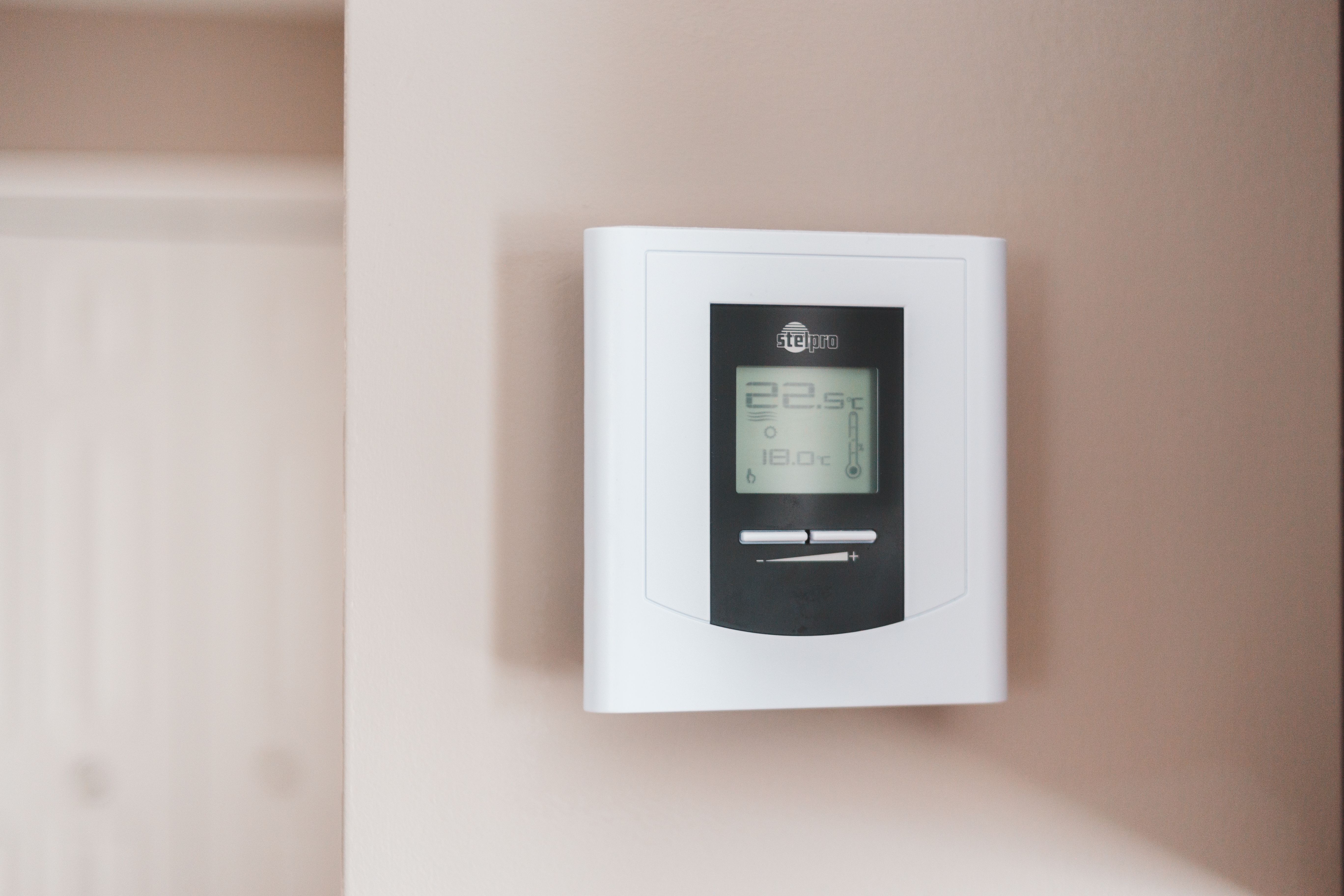
When temperatures drop, finding the best thermostat setting for winter becomes a balancing act between staying warm and keeping heating bills under control. Set the temperature too high and energy costs climb quickly; set it too low and your household feels chilly and uncomfortable. The team at Affordable Fixes helps homeowners find practical settings that keep every room cozy while reducing wasted energy all season long.
What Is the Ideal Home Temperature in Winter?
For most households, the ideal home temperature in winter falls between 68°F and 70°F while people are awake and active. This range keeps most occupants comfortable without forcing the heating system to work harder than necessary. The U.S. Department of Energy recommends 68°F as a practical starting point for daytime comfort and efficiency.
Best Thermostat Setting When You’re Home
When everyone is home and moving around, 68°F is a reliable target. If that feels cool, raise the setting one degree at a time instead of jumping several degrees at once. Wearing layers, using area rugs, and keeping curtains open on sunny days can make a slightly lower setting feel noticeably warmer.
What Temperature to Set the Thermostat When You’re Asleep or Away
Many people wonder what temperature to set the thermostat in winter at night or during the workday. If you have been searching for what temperature to set thermostat in winter while sleeping, the answer is simpler than it seems. Lowering the setting by 7°F to 10°F for about eight hours a day, typically to around 60°F to 62°F, can noticeably reduce heating costs. Warm blankets make cooler bedroom temperatures comfortable, and many people actually sleep better in a cooler room.
How Each Degree Affects Your Heating Bill
Every degree matters. The Department of Energy estimates that turning your thermostat back 7°F to 10°F for eight hours a day can save up to 10% a year on heating and cooling. Small, consistent adjustments add up over a long Pennsylvania winter.
Smart and Programmable Thermostats for Winter Savings
Programmable and smart thermostats remove the guesswork by automatically adjusting temperatures based on your schedule. Useful features include:
- Custom schedules for weekdays, weekends, and overnight hours.
- Remote control through a smartphone app when plans change.
- Energy reports that show how settings affect usage.
- Learning features that adapt to your household’s habits over time.
Thermostat Settings for Special Situations
The best temperature for heat in winter can vary depending on who lives in the home and what type of heating system you have.
Homes With Seniors, Babies, or Pets
Older adults, infants, and some pets are more sensitive to cold. In these homes, keeping the temperature closer to 70°F to 72°F and avoiding deep nighttime setbacks helps protect comfort and health.
Heat Pumps vs. Furnaces: Why Settings Differ
Furnaces recover quickly from large temperature setbacks. Heat pumps, however, may switch to costly backup electric heat strips when asked to raise the temperature several degrees at once. For heat pumps, smaller setbacks of 2°F to 3°F or a smart thermostat designed for heat pump systems usually work best.
Thermostat Mistakes That Waste Energy
- Cranking the thermostat higher, believing the house will heat faster.
- Placing lamps, TVs, or other heat sources near the thermostat.
- Constantly changing settings throughout the day.
- Leaving the fan set to ON instead of AUTO, which can circulate cooler air.
When Your Heating System Can’t Reach the Set Temperature
If your home never reaches the temperature on the thermostat, the problem may involve a dirty filter, leaky ductwork, a failing component, or an undersized system. A professional heating inspection can identify the cause and restore reliable, efficient warmth before the coldest weeks of winter arrive.



Leave a Reply