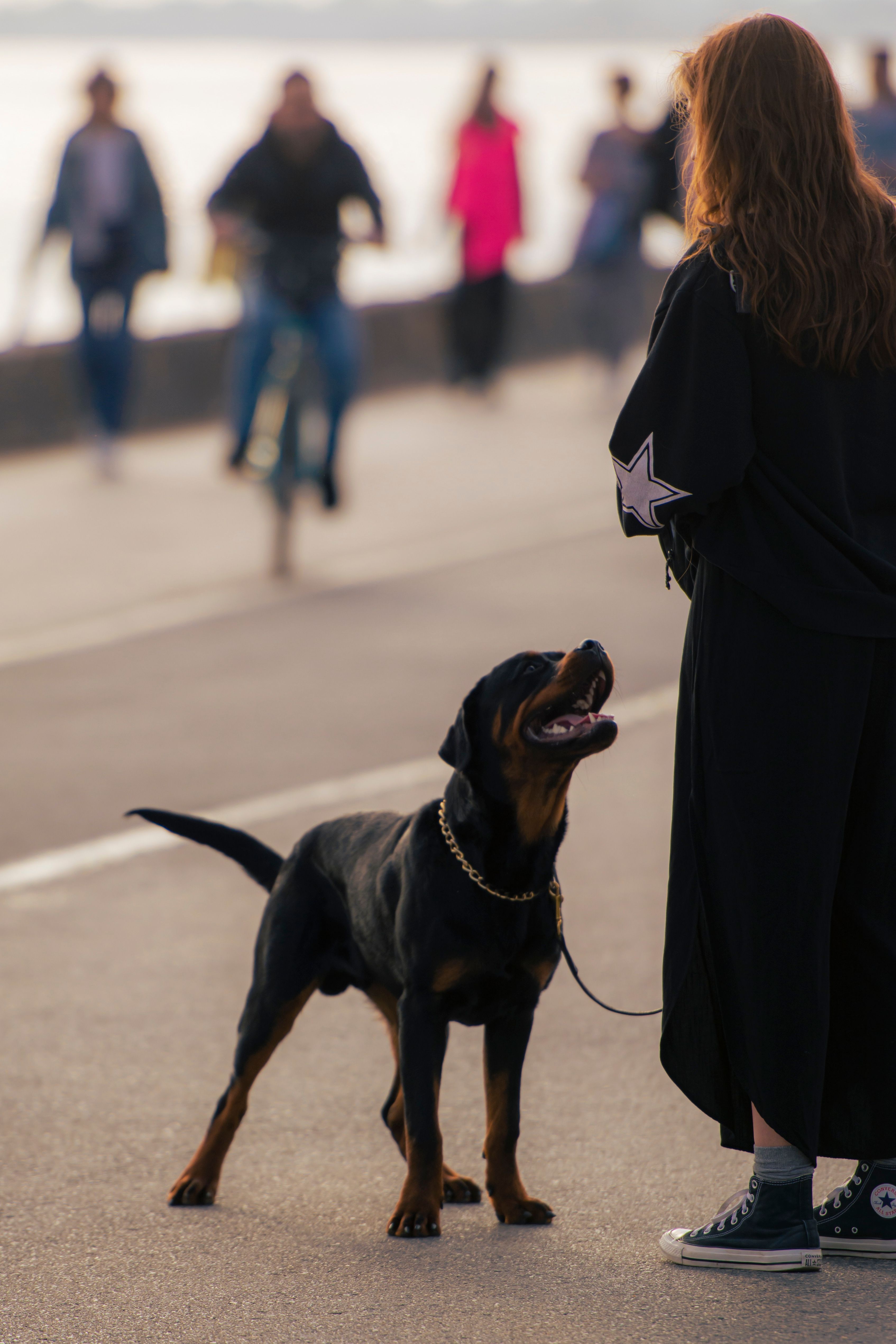
The first mile is where most outdoor dog trips go wrong. Not the summit, not the campsite. The first mile, when your dog is pulling hard, the leash is tangled in your hand, and it dawns on you that the water bottle is still sitting on the passenger seat.
Towns around here love their dogs, and the state parks and rail trails fill up fast on a nice Saturday. That’s fine. But a trail is not a backyard, and a dog that’s never hiked before doesn’t magically know how to behave on one. The good news is that most of the problems are predictable, which means most of them are preventable with about twenty minutes of prep the night before.
Begin with the unglamorous items. A current rabies tag, an ID tag with a number that actually works, and a leash you can hold without your hand cramping for two hours. If your dog’s nails are long enough to click on the kitchen floor, they’ll slip on wet rock, so a quick trim before a trip is worth it. Folks who’d rather hand that off can look into Dog Grooming Spanish Fork options before a big weekend out, since short nails and a trimmed coat make the whole trip easier on the animal.
Why does the first mile decide the whole trip?
Because that’s when you find out what your dog doesn’t know yet. Leash manners on a sidewalk are one thing. Leash manners with a squirrel, a mountain biker, and another dog all showing up at once are something else entirely.
Walk your dog on a busy path near home a few times before you drive an hour to a trailhead. Watch what happens when someone passes close. If your dog lunges, barks, or wraps you in the leash, you’ve got homework, and it’s better done in a park than on a narrow ridge.
Know the rules before you park the car
Land managers set their own leash rules, and they don’t always match one another. One park wants dogs on a six-foot leash at all times. The next one has a designated off-leash area with its own posted boundaries. A third bans dogs from a swimming beach entirely between Memorial Day and Labor Day.
Check the specific property’s website the night before, not the county’s general page. Cities that plan dog facilities treat public input as a real part of the process, and their planning documents show how much leash access and conflict with other users shape those decisions, as this outreach report from Kirkland, Washington lays out. The short version for you: if a sign says leash, it’s a leash. Rangers write tickets, and a loose dog can start a fight you’ll be the one breaking up.
The gear list that actually matters
You don’t need much. You do need the right few things, and a couple of them are non-negotiable.
- Drinking water plus a bowl that folds flat. Dogs overheat faster than people do, and stream water is not a safe substitute.
- A six-foot leash plus a backup. Retractable leashes are a bad fit for trails. They snag, they cut hands, and you can’t reel a dog in fast.
- Boots or paw wax, depending on terrain. Hot pavement in July and sharp scree both do damage.
- A tick comb and a pair of fine tweezers. Check ears, armpits, and the base of the tail at the end of every day out.
- Waste bags, and plenty of spares. Trailhead dispensers run empty in August.
Tuck a compact first aid kit in the pack as well. Gauze, vet wrap, and a phone number for the nearest emergency vet open past 6 pm. Odds are it stays zipped all day. If you end up needing it, you’ll be grateful it made the trip.
Heat, water, and the mistake almost everyone makes
People underestimate heat. A 78-degree afternoon on an exposed fire road is brutal on a black dog with a thick coat, and the animal won’t tell you until it’s already struggling. Go early. Carry more than you figure you’ll need. Turn around before your dog slows down, not after.
And then the lake. Every summer, someone’s dog jumps in, swallows a mouthful, and ends up at the vet with a stomach bug from blue-green algae or bacteria. Skip the swim if the surface is thick and green or ringed with scum. Same for stagnant ponds with no flow.
Here’s the one I’d push hardest on: the human-animal bond isn’t a soft idea; it’s a working relationship. Research on dog ownership and well-being keeps circling back to the same point: the relationship itself shapes how owners plan their days and their outings, which is exactly why a little planning pays off, as this review of dog owner research describes. The animal is relying on you to look past today. That’s the deal.
A five-minute pre-trip check
Run this in your driveway before you pull out. It’s faster than circling for a parking spot.
- Leash clipped, collar snug, tags on.
- Water filled, bowl packed.
- Route checked for leash rules and closures.
- Closest 24-hour animal hospital programmed into your phone.
- Weather checked, with a turnaround time in mind.
If any line fails, fix it before you drive. Five checks, one habit, done.
The part nobody mentions: the ride home
A tired dog is a good dog right up until the car ride, when a wet, muddy, overstimulated animal gets into your back seat. Throw a towel and an old blanket in the trunk. Do a tick check in good light before you let the dog on the couch. And give the dog a quiet hour with water when you get home, because the crash after a big day is real.
Outdoor time with a dog is one of the better things about living where we do. It just goes smoother when you treat the trip like a plan instead of an impulse. The dogs that have the most fun out there are usually the ones whose owners did the boring homework first.
Where are you headed next? Pick a route within an hour of home, read the leash rule tonight, and ease into that first mile. The dog handles the rest.


Leave a Reply