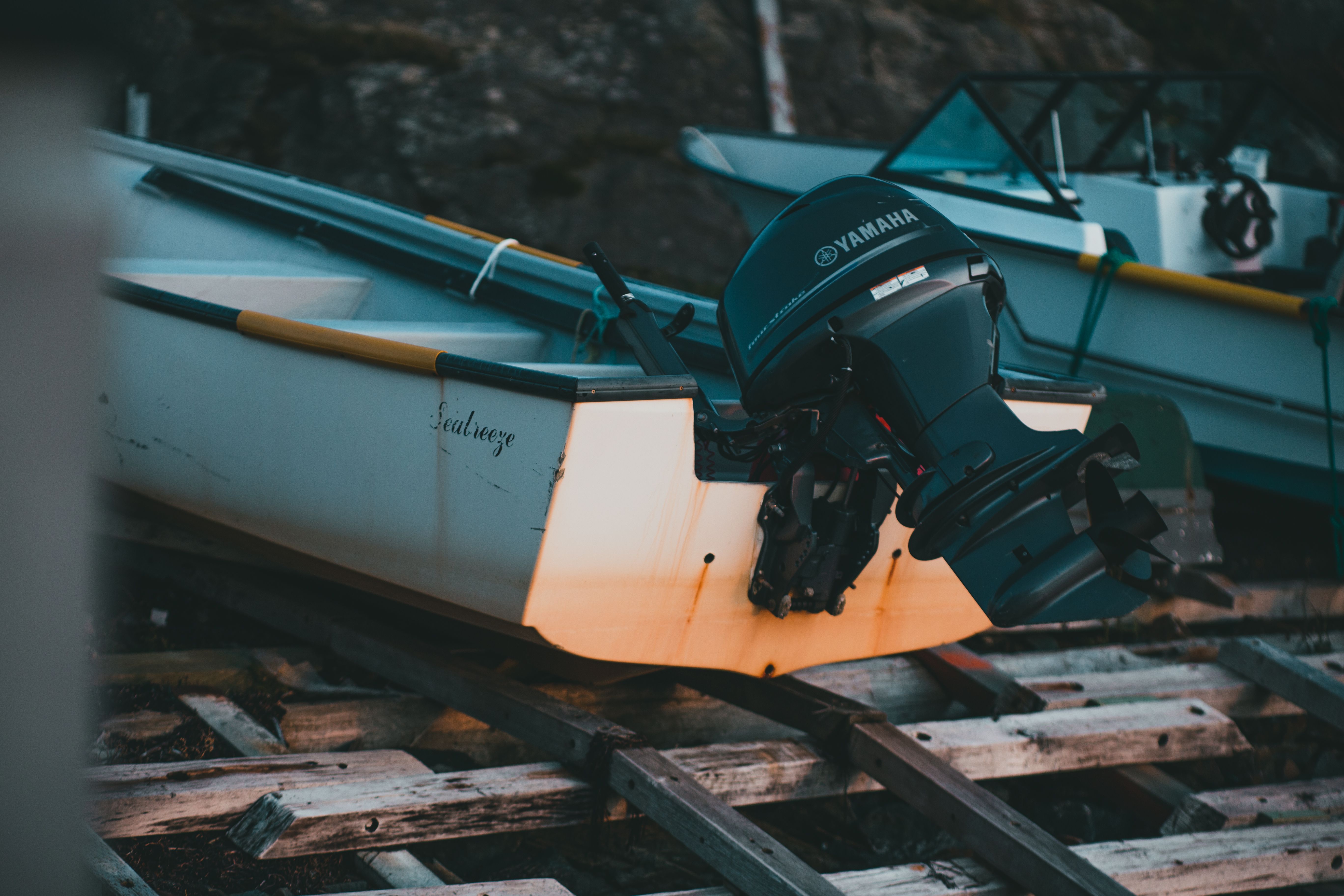
Electric boat motors used to mean one thing: a trolling motor nudging a bass boat along a weed line. That picture is out of date. Today they push yacht tenders, pontoons, small skiffs and day boats, and three practical shifts explain why: better batteries, more efficient drives, and a cost picture that looks very different once you count more than the price tag.
Why Boaters Are Rethinking Propulsion
Part of the push comes from the water itself. A growing number of lakes limit or ban gasoline engines to protect drinking water, wildlife, and plain old quiet. One recent state-by-state review of park regulations counted 143 lakes in state park systems where only electric motors are allowed, and Pennsylvania restricts most of its state park lakes to electric power at slow, no-wake speeds. On waters like these, the decision is already made.
The other part is experience. Modern electric boat motors start with the push of a button or a twist of the tiller, run without exhaust fumes on the swim step, and stay quiet enough that a conversation carries on at normal volume while the boat is moving. For owners of tenders, pontoons and small fishing boats, that mix of simple starts, clean operation and low noise is often what tips the decision.
Battery Technology Sets the Ceiling
An electric system can only be as capable as the energy stored on board.
Chemistry and Cycle Life
Most marine packs now use lithium iron phosphate (LiFePO4, or LFP), a thermally stable chemistry. Quality LFP batteries are commonly rated for 3,000 or more cycles at 80 percent depth of discharge. Lead-acid, by comparison, should only be drained to about half its rated capacity if you want it to last. A 100 Ah lithium battery gives you close to 100 Ah of working energy; a 100 Ah lead-acid battery realistically gives you around 50.
Falling Prices
Industry survey data published in December 2025 put the average lithium-ion pack price at $108 per kWh, roughly 93 percent lower than in 2010. Marine batteries still cost more because they are built in small volumes with waterproof housings, but the trend keeps pulling retail prices down.
Temperature and Storage
Lithium batteries dislike being charged below freezing, which is why many marine packs include a low-temperature charge cutoff. For the off-season, most manufacturers recommend storing the pack at a partial charge in a cool, dry place.
How Electric Drives Turn Energy Into Thrust
A gasoline engine burns fuel to make heat, turns heat into pressure, and turns pressure into rotation. Most of the energy escapes as heat along the way, and small gasoline outboards typically convert only about 20 to 30 percent of their fuel’s energy into useful work. An electric motor skips combustion entirely, and well-designed units commonly reach 85 percent efficiency or better. One major manufacturer claims about 88 percent powertrain efficiency for its newer electric outboards.
Torque behaves differently too. Full torque arrives from a standstill, so the boat responds instantly when easing into a slip. Paired with larger, slower-turning propellers, that torque is very efficient at displacement speeds and less impressive once a hull tries to plane.
Power ratings deserve a careful eye. One horsepower equals about 0.746 kW, but electric “horsepower equivalent” claims vary between brands, and some independent testers suggest discounting them by as much as a third. When comparing electric outboards for a tender or small boat, look at measured thrust, tested speed, and published range tables instead of a single headline number.
Range and the Energy Density Gap
A gallon of gasoline holds about 33.7 kWh of chemical energy, the figure the EPA uses for its MPGe ratings. Even at 30 percent efficiency, that gallon delivers around 10 kWh of useful work. A typical integrated battery on a small electric outboard stores roughly 1 kWh, so one gallon of fuel can do the work of about ten of those batteries.
Speed is the lever that matters most. Water resistance climbs steeply as a boat goes faster, so cutting your speed in half can more than double your range. A tender shuttling to shore, a pontoon cruising a small lake, or a dinghy exploring a harbor at 3 to 5 knots suits electric power well. A 30-mile open-water run at planing speed is a different story.
Long-Term Operating Costs Over a Season
Upfront, electric costs more. A 2025 buyer’s guide from a sailing publication found electric outboards in the 3 horsepower class priced at roughly three times their gas equivalents. The savings arrive over time.
Take a small tender used 100 hours a season. A small four-stroke burning around 0.4 gallons per hour uses about 40 gallons; at the November 2026 U.S. average of roughly $3.90 per gallon, that is about $156, and marina pumps usually charge more. An electric outboard averaging 2 kW over the same hours draws around 220 kWh from the wall after charging losses. At the projected 2026 U.S. residential average of about 18 cents per kWh, that comes to roughly $40.
| Cost Factor | Small Gasoline Outboard | Electric Outboard |
| Energy for 100 hours | About $156 at road fuel prices | About $40 in electricity |
| Routine service | Oil, filter, spark plugs, impeller, gear oil | Visual checks, prop and connector care |
| Off-season prep | Stabilizer, fogging, draining fuel | Battery stored at partial charge |
| Largest future expense | Major engine repair | Battery pack replacement |
| Purchase price | Lower | Higher |
The battery is the real long-term variable. A pack rated for 3,000 cycles has more cycle life than most owners will use, so building one replacement into a ten-year estimate keeps the comparison honest.
Common Questions About Electric Outboards
How long does an electric outboard run on one charge?
It depends mostly on throttle. Many small units run for several hours at low speed but less than an hour at full power, so the manufacturer’s range table by speed is the best guide.
How many years does a lithium boat battery last?
For most recreational owners, cycle count is rarely the limit. A pack rated for thousands of cycles is more likely to age from heat, time, and storage at full charge, so good storage habits usually decide its lifespan.
Is an electric outboard cheaper to own over time?
Usually, if it gets regular use. Electricity costs a fraction of fuel and routine servicing almost disappears, but the higher purchase price and an eventual battery replacement mean the payback depends on how many hours you run each season.
Final Thoughts
Battery prices keep falling, electric drives convert energy far more efficiently than combustion engines, and seasonal running costs are a fraction of fuel and servicing bills. Range remains the trade-off, so the best results come from matching the system to realistic trips and speeds. If your boating is mostly short hops, calm water and quiet afternoons, electric boat motors deserve a serious look. Explore the electric outboards, inflatable tenders and docks at furthercustoms.com to see how a lighter, quieter setup could work for your boat, then weigh each option against the range and cost figures above before you decide.



Leave a Reply