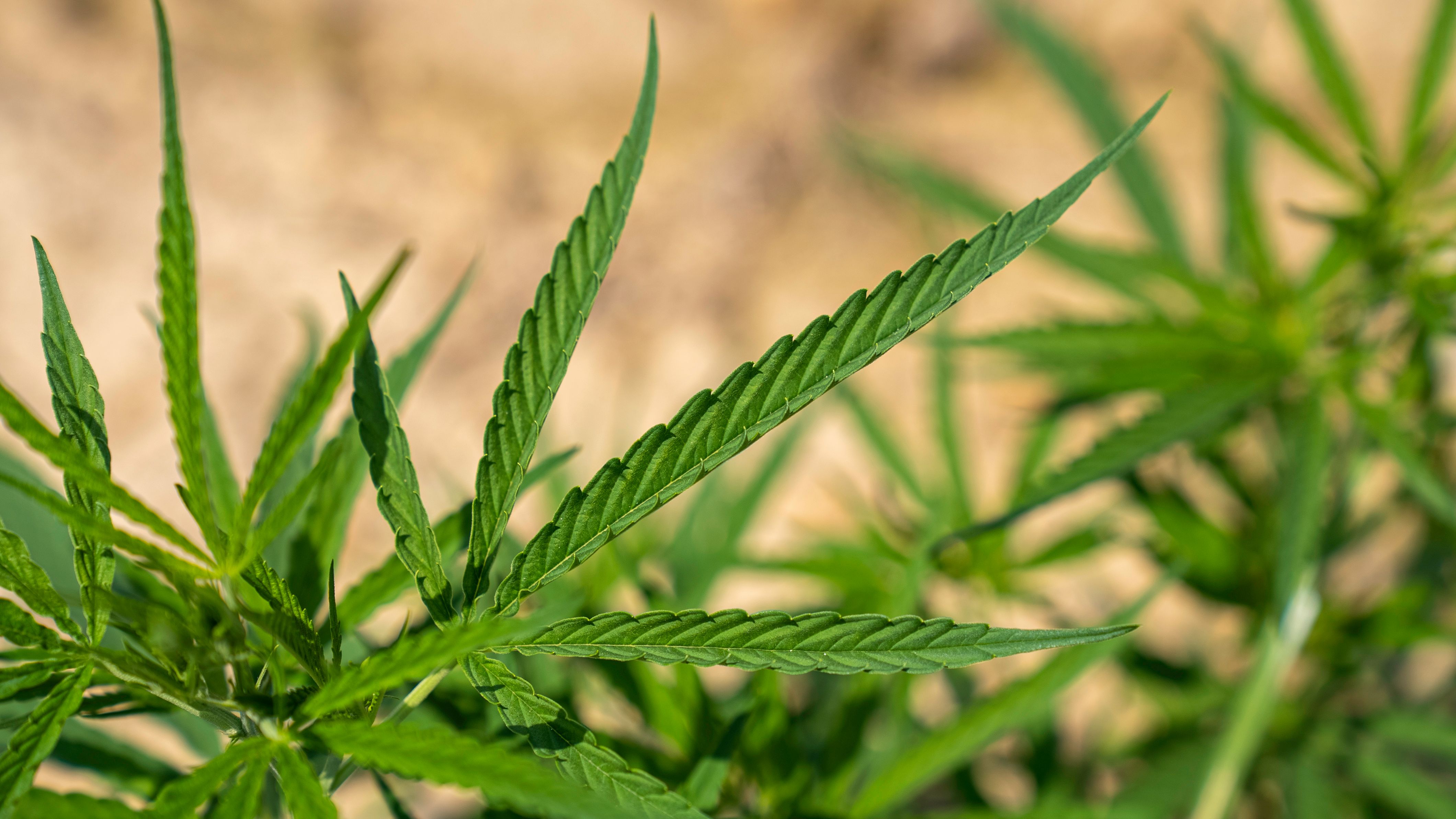
Before you choose a strain, a flavor or a supplier, you need to answer one question: should you buy terpenes that come from cannabis, or terpenes sourced from other plants?
This single choice affects your cost per unit, how your product tastes, how consistent each batch will be, what you can say on your label and how easily you can scale. Yet many brands make it based on marketing language rather than a clear comparison.
This article lays out the real differences between cannabis-derived terpenes (CDT) and botanical terpenes so you can choose with confidence. Spoiler: for most brands, the answer is not one or the other. It is knowing which to use where.
What are cannabis-derived terpenes?
Cannabis-derived terpenes are captured from the cannabis plant itself, usually during or alongside extraction. Methods include steam distillation and specialized fractionation processes that separate volatile terpenes from cannabinoids.
Because they come directly from a specific harvest, CDT carry the aroma of that plant, including minor compounds that are difficult to recreate. That authenticity is their main selling point. It is also their main weakness: every harvest is a little different, so every batch can be too.
CDT yields are small relative to the volume of plant material processed. That scarcity, along with the regulatory status of cannabis itself, pushes the price well above botanical alternatives.
What are botanical terpenes?
Botanical terpenes are sourced from non-cannabis plants. The same molecules found in cannabis, such as limonene, myrcene, pinene, linalool and beta-caryophyllene, also occur in citrus peels, hops, conifers, lavender, black pepper and many other plants.
Formulators blend these compounds to recreate the profile of a specific cannabis strain. When done well, using lab data from the actual cultivar, the result can be strikingly close to the real flower. When done poorly, it tastes like a generic citrus or pine perfume.
That is why the formulator matters more than the label. When you buy terpenes from Entour, for instance, botanical blends are built using the company’s True To Plant® process, which starts with analytical profiling of the source strain by The Werc Shop’s lab.
A note on “live” and hybrid profiles
You will also see terms such as live, live resin style or live derived. These generally describe profiles modeled on fresh, uncured plant material, which has a brighter, more pungent aroma than dried flower. Entour’s Live Derived® line, for example, offers 23 premium profiles aimed at brands that want that fresh-frozen character with batch-to-batch control.
Cannabis-Derived vs Botanical: Head-to-Head
| Factor | Cannabis-derived (CDT) | Botanical |
|---|---|---|
| Aroma authenticity | Captures the source plant, including minor compounds | Depends on formulation quality; top blends come very close |
| Batch consistency | Varies by harvest and processing | High, because inputs are standardized |
| Cost | Highest | Lower, often significantly |
| Supply stability | Tied to harvests and extraction capacity | Stable, scalable year-round |
| Strain range | Limited to strains being processed | Hundreds of profiles possible |
| Regulatory profile | Subject to cannabis rules in many markets | Generally sold as flavor ingredients |
| Marketing angle | “From the plant” authenticity | Consistent, strain-accurate flavor |
Flavor and aroma
CDT have a natural advantage on authenticity because they come from the plant. But authenticity is not the same as quality. CDT can carry grassy or vegetal notes, lose top notes during processing or arrive with an aroma that does not match the strain name on the jar.
Well-made botanical blends are formulated to a target. If the formulator starts from a GC-MS analysis of the real cultivar and adjusts ratios through sensory testing, the result is a clean, bright and repeatable profile. In blind tests, consumers often cannot tell a high-quality botanical blend from CDT in a finished vape.
Consistency
For a brand, consistency is often more valuable than marginal authenticity. Your customers buy the same SKU again because they liked it the first time. If the next batch tastes different, you lose them.
Botanical blends win here. The same formula can be produced again and again with the same inputs. CDT consistency depends on the supplier’s ability to standardize across harvests, which is possible but harder and more expensive.
Cost
CDT usually cost several times more per milliliter than botanical blends. For a premium live resin cart priced at the top of the menu, that premium may be justified. For a value disposable or a gummy line, it rarely is.
The best way to compare is cost per finished unit, not per bottle. Entour’s free CDT vs Botanical cost calculator lets you plug in inclusion rates and volumes to see the difference across your actual production plan.
Compliance
Cannabis-derived terpenes can fall under cannabis regulations, which may restrict where and how they can be shipped, sold or used. Botanical terpenes are generally sold as flavor ingredients, which can make them easier to use across hemp, wellness and beverage products. Rules vary widely by country, state and product type, so check with your compliance team.
Whichever you choose, insist on a batch-specific COA, SDS and TDS. Documentation is non-negotiable for both categories.
Supply and scalability
If you are planning national distribution or a fast-growing SKU, supply stability matters. Botanical blends can scale with demand. CDT supply can tighten when harvests are poor or demand spikes.
This is one reason many brands buy terpenes in both categories: CDT for a limited premium line where scarcity is part of the story, and botanical for core SKUs that need to be in stock every month.
Which Should You Buy? A Decision Framework
Use your product type, price point and brand promise to decide.
Choose botanical terpenes when:
- You need the same flavor every single batch.
- You are producing at volume and cost per unit matters.
- You sell edibles, beverages, tinctures or topicals, where inclusion rates are low and flavor clarity is key.
- You want access to a wide range of strain profiles without waiting on harvests.
- You operate in hemp, wellness or food-adjacent channels where cannabis-derived inputs may be restricted.
Choose cannabis-derived terpenes when:
- Your brand promise is built specifically on “100% cannabis” sourcing.
- You sell a premium, limited-edition product where variation adds to the story.
- Your customers are connoisseurs who actively seek CDT on labels.
- Your margins can absorb a significantly higher terpene cost.
Consider a premium botanical or live-style profile when:
- You want the brightness of fresh-frozen material but need consistency.
- You are launching a premium tier and need a reliable flagship flavor.
- You want authentic cultivar character without CDT’s supply risk.
For many brands, a tiered portfolio works best: Inspired-style flavor-forward blends for value SKUs, authentic Native-style cultivar blends for the core range and Live Derived-style profiles for the premium tier. Entour’s catalog is organized in exactly this way, which makes it easy to buy terpenes across all three tiers from a single, documented source.
How to test the difference yourself
The best way to decide is to run your own comparison:
- Pick one strain your customers already love.
- Source a CDT version and a high-quality botanical version.
- Formulate both at the supplier’s recommended inclusion rate in your actual base.
- Run a blind sensory test with 10 to 20 people.
- Compare scores against the cost per unit of each.
- Store samples for several weeks and retest to check stability.
The results are often surprising. Many teams discover that a well-formulated botanical blend matches or beats CDT on flavor while costing far less.
Frequently Asked Questions
Are botanical terpenes synthetic?
Not necessarily. Botanical terpenes are typically isolated from natural plant sources such as citrus, pine or hops. Ask your supplier to explain sourcing for each blend and provide a COA.
Do cannabis-derived terpenes produce a stronger entourage effect?
The entourage effect is still being researched, and claims vary. The terpene molecules themselves are chemically identical regardless of source. Avoid making functional or medical claims on labels without regulatory guidance.
Can I mix CDT and botanical terpenes?
Yes. Some formulators blend a small amount of CDT into a botanical base to add natural complexity while keeping costs and consistency under control.
Which is better for vapes?
Both can work. Botanical blends dominate high-volume vape lines because of consistency and cost, while CDT appear more often in premium live resin and connoisseur products. See Buy Terpenes for Vape Cartridges for details.
Conclusion
There is no universal winner in the cannabis-derived vs botanical debate. CDT offer source authenticity at a higher price and with more variability. Botanical terpenes offer consistency, scalability and strong value, and the best ones are built from real cultivar data.
The smartest approach is to match the source to the product and to buy from a formulator that can prove its work. To compare profiles side by side, buy terpenes from Entour’s 150+ blend catalog, start with a six-blend sample pack, and run your own test. Return to Buy Terpenes: The Complete 2026 Buyer’s Guide for the rest of the series.



Leave a Reply