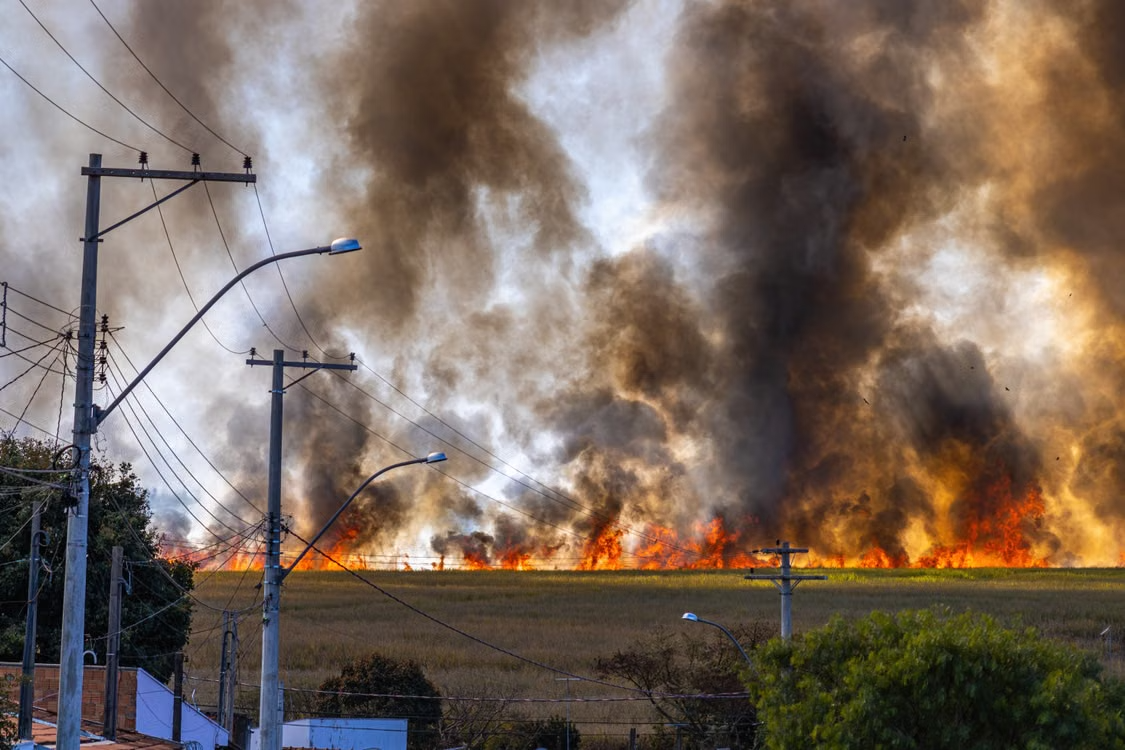
Wildfires can cause huge damage, destroying everything in their path. In the aftermath, many people face expensive repairs, temporary housing costs, and lost income. Getting compensation can help ease these challenges. However, handling insurance claims and other potential sources of financial support requires careful planning. Here are five steps to take when seeking compensation after a wildfire.
Review Your Insurance Policy
Find out the term of your homeowners or renters insurance. This should help you understand which aspects of fire damage are insured against and the level of financial compensation that you might be entitled to. Usually, homeowners insurance will cover damage to both the structure and personal belongings.
In some cases, it will also pay for temporary housing and extra food costs. Make sure you understand the deductibles, exclusions, coverage limits, and claim deadlines. Keep in mind that what will be covered depends on your policy coverage. So make sure you review it to avoid surprises later.
Document All Your Losses
Before starting cleaning or repairs, take pictures and videos of the damage. You only need to do this if it’s safe to do so. Include evidence relating to structural, electrical, furniture, vehicle, and personal damage. The more information you have to back up your claim, the better.
List all the items that were destroyed and their value. When possible, retain original receipts and sales information. It is also important to keep records of additional expenses like temporary accommodation, transportation costs, temporary repairs, and essential supplies. This will make it easier to demonstrate your losses.
File Your Insurance Claim Promptly
After analyzing the extent of the damage, notify your insurance company as soon as possible. Delaying this step could complicate your claim and cause unnecessary delays. Be sure to provide needed information about the incident and the extent of the damage. This can include receipts and photos.
Your insurance company will typically send an adjuster out to examine your property and determine the extent of the damage. Ideally, you should be present when they are examining the property. This way, you can highlight problems and ask questions about anything that seems to have been overlooked. Keep copies of all paperwork and note down details of your exchanges with insurance professionals.
Find Out If You Can Pursue Legal Compensation
Wildfires can stem from avoidable events or negligence. They may be caused by poorly maintained power lines, unsafe industrial activities, or improperly managed controlled burns. If someone else’s behavior led to or played a part in your loss, it may be possible to claim a settlement. An experienced attorney can help analyze the events surrounding your wildfire and help you navigate wildfire settlements. You may be compensated for property loss, physical harm, and lost earnings.
Explore Government Disaster Assistance
Even though your insurance may not fully reimburse you for your losses, the government and charitable organizations may provide more assistance after a wildfire. If you are eligible, you may benefit from the Federal Emergency Management Agency (FEMA) aid. This may include provision of both shelter and funds for certain necessary costs. Before applying for any financial relief, ensure you are eligible and follow applicable deadlines. You should also have proof of residency and damage assessment.
Endnote
After a wildfire, getting compensation is not easy. Between insurance paperwork, property assessments, and possible legal claims, the process can feel overwhelming. Start by reviewing your insurance policy, documenting your losses, and knowing your legal and compensation options. Taking the right steps and seeking legal help early can help you avoid delays as you rebuild your life.


Leave a Reply