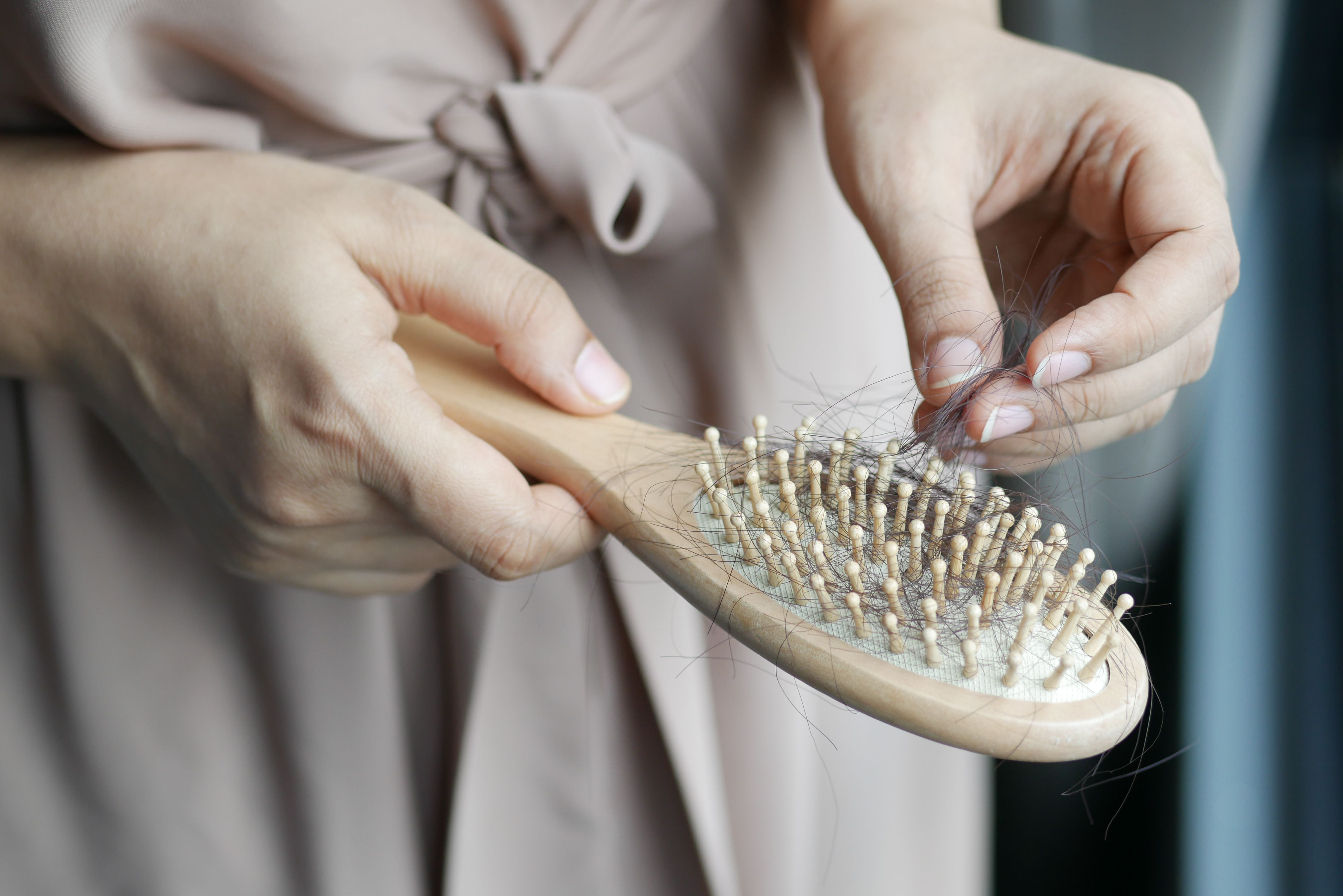
Finding more hair in the shower or noticing a wider parting can be unsettling. Yet shedding and progressive thinning are not interchangeable terms. Understanding the distinction is an important first step towards choosing appropriate care.
Female pattern hair loss is one possible explanation for gradual loss of volume. It can begin at different stages of adulthood and vary considerably in severity. There is no requirement to wait until the thinning becomes extensive before seeking advice.
Recognising gradual changes
Pattern hair loss involves changes in the hair follicles over repeated growth cycles. Affected hairs become progressively finer, which reduces the overall impression of fullness. The change may be particularly apparent through the central parting or across the top of the scalp.
A person may still have a substantial amount of hair while noticing that styling has become more difficult. A former centre parting may expose more scalp, or a familiar haircut may lose its shape. These changes can occur without dramatic daily shedding.
Other conditions may produce similar symptoms. A clinician can assess whether the pattern is consistent with inherited hair loss or whether another explanation requires investigation.
The relationship with hormonal changes
Some women first notice thinning around the menopause, while others experience it earlier. Hormonal changes and genetic susceptibility can influence the hair cycle, but not every case indicates an abnormal hormone level.
A clinician may ask about menstrual history, changes in health and other symptoms. Blood tests can be appropriate when the history suggests an underlying problem. Testing should be guided by the clinical assessment rather than a generic package of investigations.
What medical treatment can achieve
Women exploring treatment options for female hair loss may encounter several different approaches, including topical and prescribed medicines. The suitability of each option depends on the diagnosis, medical history and potential side effects.
Topical minoxidil is commonly used for female pattern hair loss. It requires regular application, and benefits generally depend on continued use. Some people experience irritation or unwanted hair growth, and it should not be used in certain circumstances, including pregnancy without appropriate medical guidance.
A specialist may discuss other medicines where appropriate. These are not interchangeable and can require specific precautions. Products marketed as natural alternatives should also be assessed critically, particularly when their claims extend beyond the available evidence.
Where PRP and transplantation fit
Platelet-rich plasma therapy involves preparing a concentrated platelet-containing component from a person’s blood and injecting it into selected areas of the scalp. Research suggests it may improve hair density in some people with pattern hair loss, but protocols vary and responses are not uniform.
A transplant may be considered when there is suitable donor hair and a sufficiently defined recipient area. It cannot correct a diffuse loss of healthy follicles throughout the scalp. An assessment is needed to decide whether surgery is likely to offer meaningful improvement.
Neither PRP nor transplantation should be presented as an automatic next step simply because someone is dissatisfied with another treatment. The decision should be based on the underlying condition and the expected benefit.
Everyday ways to manage thinning
Gentle styling can help reduce avoidable breakage. Avoiding persistent tension from tight hairstyles is particularly important, as traction can cause its own form of hair loss. Hair care changes alone, however, cannot reverse the underlying process of female pattern hair loss.
Some women prefer volumising products or a different haircut. Others use scalp concealers or hairpieces for greater coverage. The right choice is the one that fits the person’s preferences, budget and daily routine.
Understanding temporary shedding alongside pattern loss
A period of increased shedding can occur in someone who already has female pattern hair loss. For example, a significant illness may be followed by a temporary disturbance to the hair growth cycle. The two processes can overlap, making the change in density appear more abrupt than expected.
This possibility is one reason a detailed history matters. If the clinician suspects a temporary shedding disorder, the immediate priority may be to identify and address the trigger. The longer-term pattern of thinning can then be assessed alongside recovery.
Taking supplements without identifying a deficiency is unlikely to be a reliable answer. Excessive intake of certain nutrients can be harmful, and supplements may interact with other treatments. A balanced diet and appropriate clinical investigations provide a more useful starting point than assuming every case of hair loss has a nutritional cause.
Making sense of treatment comparisons online
Online photographs and personal accounts can introduce women to options they had not previously considered. However, a person’s medical history, hair characteristics and other treatments may not be apparent from a social media post. A product that appears to work for one individual may be unsuitable for another.
Look for information that distinguishes established evidence from emerging research. Ask how long a treatment has been studied, what improvement was measured and whether the claimed benefit requires continued use. A credible explanation should acknowledge uncertainty rather than imply a predictable result for everyone.
It is also important to understand the intended purpose of a treatment. Slowing further loss can be a worthwhile outcome even if there is little visible regrowth. Establishing this distinction with a clinician can prevent unnecessary changes to a management plan that is achieving a useful objective.
Tracking progress realistically
Photographs taken at consistent intervals and under similar lighting can make changes easier to assess. Hair treatments generally need time, so checking the parting every morning may offer little useful information. Follow-up appointments can establish whether the approach is helping or needs to change.
Female pattern hair loss can often be managed, but a universal cure is not available. Early assessment, realistic expectations and a treatment plan tailored to the individual are more useful than chasing a succession of unverified remedies.



Leave a Reply