As temperatures rise globally and fires heat up in much of North America, New York is grappling with what is now deemed an air quality crisis—one that can have a potentially devastating effect on residents’ health. In June 2023, NYC was enveloped in an orange hue, leading many international publications to deem the City’s air quality index as one of the worst in the world. It achieved a peak particulate matter reading of over 160, which is over 22 times the limit considered safe for breathing. One answer provided by the City to air quality issues is a new toll system, which promised to reduce traffic and emissions. However, Environmental Health News has warned that some areas could end up with increasing levels of emissions.
NYC’s New Toll System
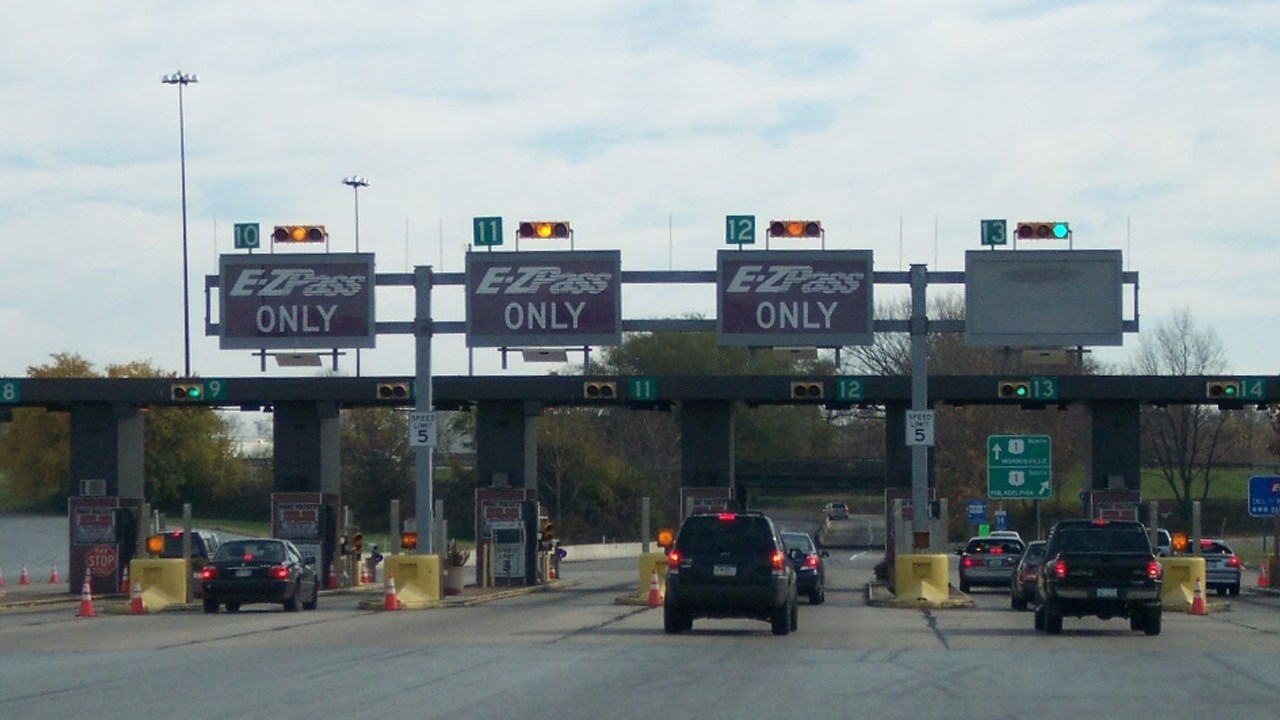
NYC’s new tolling system will be charging drivers entering Manhattan below 60th Street to reduce traffic congestion and emissions, as of June 30 2024. Passenger vehicles will have to pay $15, trucks will be charged between $24 and $36, and motorcycles will pay $7.50. Taxis will pay $1.25, while Uber, Lyft, and other rideshare drivers will be charged $2.50. Full daytime rates will be in effect from 5am until 9p on weekdays and 9am to 9pm on weekends. Drivers will only be charged upon entry, not upon exit. This means that residents who enter the pertinent zone and drive around to look for parking will not be charge. Only one toll will be levied per vehicle per day. The new program is predicted to generate $1 billion annually, which will go toward improvements in public transport. The problem is that it may result in a shifting of pollution to Staten Island the Bronx. Officials have pledged $15 million to mitigate pollution in these areas, with planned initiatives including better ventilation and more green zones.
Resistance from New Jersey and Staten Island
Thus far, many residents of Staten Island and the Bronx have express concerns about the impact the toll will have on their areas of residence. New Jersey filed a lawsuit against the federal government, arguing that drivers from NJ should not have to pay more to enter midtown Manhattan in addition to paying for access to the Holland and Lincoln tunnels. Staten Island residents, meanwhile, have referred to the toll as “highway robbery.” Many are also concerned with the health effects that increased traffic to their areas will bring.
Air Pollution in the South Bronx and Staten Island
It is easy to see how the high price of the toll may deter many from entering Manhattan altogether, driving instead to nearby areas and sharing rides or taking public transport to the City’s center. These areas are expected to have an increase in traffic volume of approximately 20%. The situation is particularly dire for those who have respiratory conditions like asthma, which are worsened by pollution. These residents are already taking various steps to improve their interior air quality, such as shutting windows—so much so that they have become veritable experts in avoiding typical house cleaning errors that can worsen air quality. These errors include using bleach and ammonia and blending potentially toxic ingredients, all of which can pose health risks such as respiratory issues and burning eyes and throats. They also know the importance of cleaning commonly overlooked areas that can affect their respiratory health, including air vents in ceilings or on the tops of walls. For these residents, it is tough to think that all these efforts can be for naught if NYC allows air pollution to reach dangerous levels.
Lawsuits Are In Place
The borough of Fort Lee and some residents are currently suing the MTA over the congestion pricing plan. However, the MTA’s environmental assessment shows that cars and trucks will most likely drive around Manhattan to evade the toll. These diversions will be most prevalent at the approach to the Robert F. Kennedy Bridge in Queens, passing through the South Bronx and George Washington Bridge, and New Jersey. Diversions to the south will impact the area surrounding the Verrazzano-Narrows Bridge through to Staten Island.
The health of a host of citizens will undoubtedly depend on the results of lawsuits being brought against the MTA. Already, one in four residents in some areas of the South Bronx have asthma, and the additional passage of cars and trucks through these zones can have a tremendous impact on residents. Help may come in the way of the MTA’s plans for a greener city, including that of having a zero-emissions bus fleet by 2040.


Leave a Reply