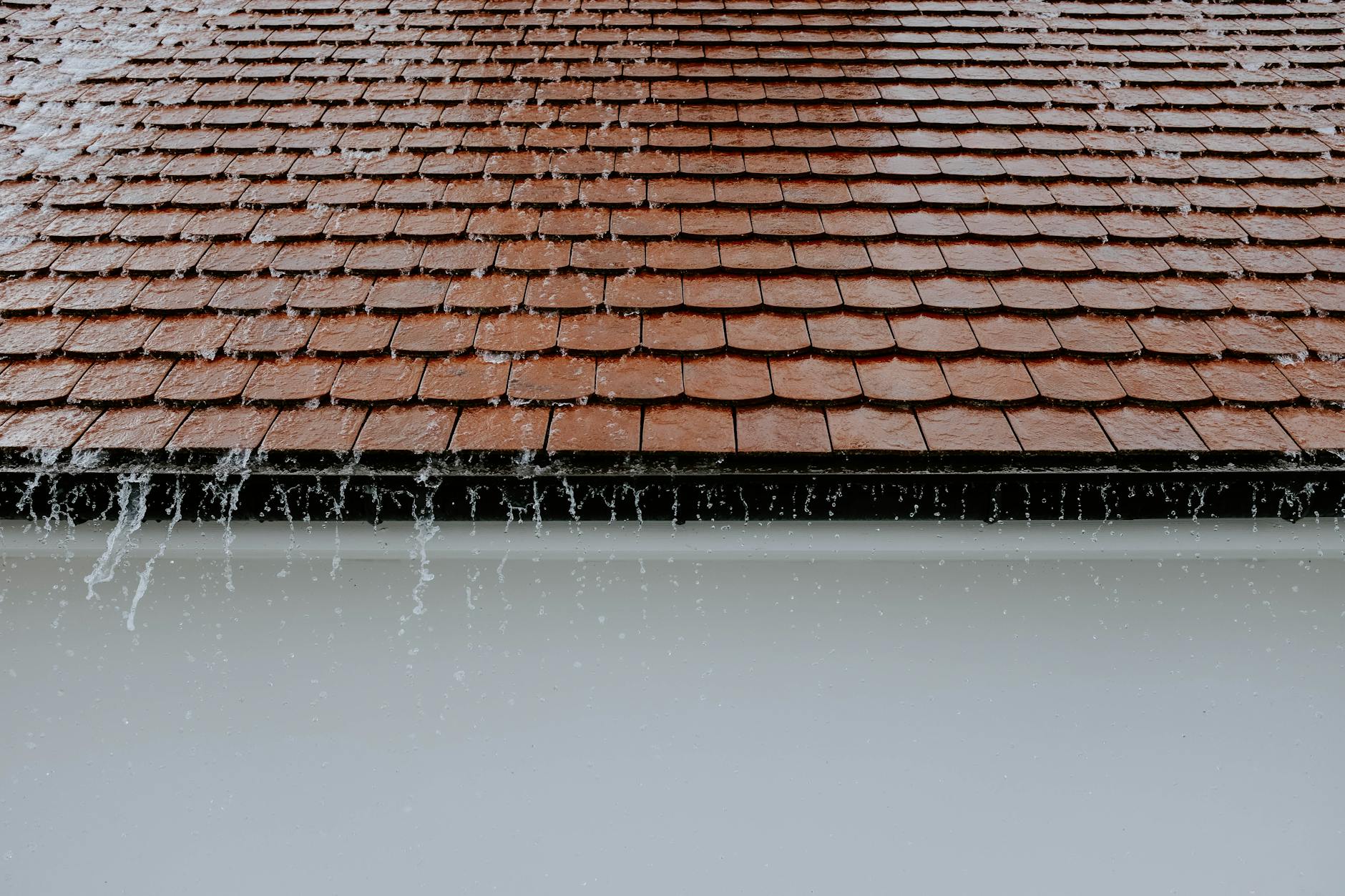
Storm damage can leave a roof in rough shape, with hidden trouble that builds over time. After heavy wind or hail, it can feel unclear what really needs attention or repair. A simple look from the ground rarely shows deeper issues that affect strength and safety. That is why clear answers matter before any repair work begins on a damaged exterior.
Expert storm damage roof repairs help uncover risks that may not stand out at first glance. However, the right questions can bring peace of mind and prevent future damage from getting worse later. Professionals focus on details that protect the roof, not just fix what seems obvious. Let’s gain insight into the smart questions that reveal what experts check to prevent further structural damage.
Do You Assess Hidden Water Entry Points Right Away?
A careful contractor checks concealed gaps near flashing, vents, and joints where water can slip through unnoticed. These weak spots may appear minor, yet they allow moisture to spread that harms the interior layers. Professional teams use close inspection methods to detect subtle leaks. Such early discovery helps prevent mold growth, wood decay, and costly structural repair.
How Do You Evaluate Shingle Integrity After Impact?
Storm impact may loosen shingles without visible cracks, so experts carefully examine surface texture. Granule loss exposes the base layer, which reduces resistance against sun exposure. A trained eye detects soft or brittle areas that signal hidden wear caused by hail strikes or strong winds. These checks help confirm whether repair or replacement becomes necessary.
Do You Check Decking Strength Beneath Damaged Areas?
Roof decking forms the base layer, so experts review its strength under any visible storm-affected sections. Moisture trapped below shingles can weaken wood panels, which leads to sagging surfaces. Professionals may lift small sections to verify that the deck remains solid, dry, and capable of full load support. This step prevents repeat damage since surface repair without deck evaluation leaves hidden problems unresolved beneath the roof.
Do You Inspect Gutter And Drainage Performance After The Storm?
Storm debris may block gutters, so experts assess drainage flow to confirm water moves away from the structure. Clogged systems cause overflow, which directs water back onto roofing surfaces and increases the risk of leak formation later. Well-managed drainage also supports property value as it prevents water damage that may weaken the overall structure. Proper drainage control reduces standing water, which protects shingles and structural components from long-term moisture exposure.
What Steps Do You Take To Secure Vulnerable Roof Edges?
Roof edges face strong wind forces, so experts examine these sections for lifted materials or loose fasteners after storms. Loose edges allow wind entry beneath shingles, which can tear sections away during future weather events with similar intensity. Experts reinforce these zones with secure fastening and sealing methods that restore stability across the entire roof perimeter. This attention to edge strength helps prevent repeat damage and supports overall roof resilience during harsh weather conditions ahead.
A roof that faces storm impact deserves careful attention beyond surface-level repair to avoid hidden future issues. Expert storm damage roof repairs focus on deeper checks that protect the structural strength and prevent repeat damage after harsh weather. Clear questions help reveal whether a repair plan truly covers weak points that could cause trouble later. Reach out to skilled roofers, ask the right questions, and gain clear insight into solutions that fit the situation best.




Leave a Reply