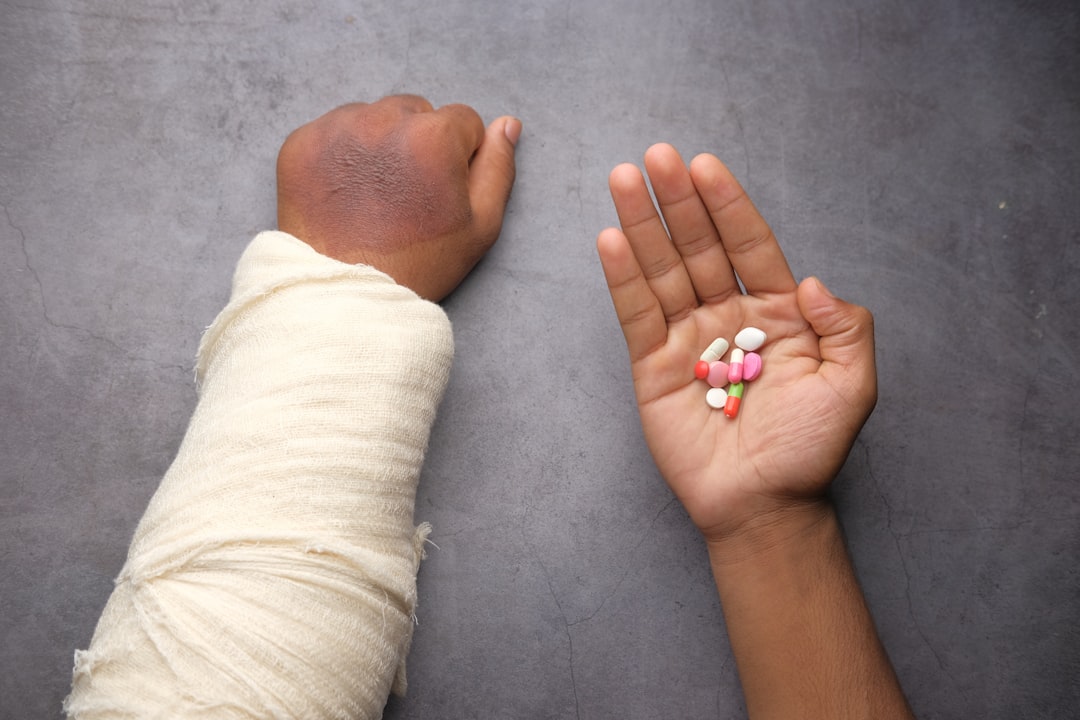
Recovering from an unexpected injury can be a complex and emotional process. Whether it’s a minor injury or something more severe, knowing what actions to take can significantly affect the outcome of your physical and financial recovery. Immediate steps, proper documentation, and ensuring legal support play critical roles. This guide provides practical advice on securing your health and well-being and safeguarding your rights.

Seek Immediate Medical Attention
The first step after any unexpected injury is to prioritize your health and safety by immediately seeking medical attention. Even if you feel your injuries are minor, underlying issues can emerge later, so it’s essential to have a professional assessment. Medical documentation of your injury can be critical later, especially if you need to prove the severity and impact of the incident. Visiting an emergency room or urgent care can also help prevent complications by starting a treatment plan immediately. Furthermore, adhering to any prescribed treatments or follow-ups ensures that your injury is monitored closely and improves your outlook on recovery.
Depending on the circumstances of the injury, you may need legal support to navigate the complexities that arise. This is especially important if negligence or other forms of liability are involved. Consulting with experts can guide you in handling claims and protecting your rights. According to the seasoned legal practitioners behind www.kornbluthginsberg.com, a skilled attorney can help understand the legal ramifications, determine liability, and secure compensation that could cover medical bills, lost wages, and other related expenses. With professional help, you gain peace of mind knowing that your case is handled appropriately.
Document the Incident Thoroughly
Once you’re in a stable condition, documenting everything related to the injury is essential. Gather as much information as possible at the scene if you are able, including the time, date, location, and any specific details about what occurred. Photographic evidence can be beneficial in providing context for the injury, showing hazards, damages, or other visible factors that contributed. In cases where other people are present, take down their contact information as they may serve as witnesses later. By collecting this information promptly, you create a foundation supporting any claims or proceedings you undertake.
Report the Incident
Reporting the incident to the authorities or individuals involved can be vital. This might include notifying an employer if it was a workplace injury or contacting local authorities if the incident involved another party or public space. Reporting creates an official record, often needed when seeking compensation or holding responsible parties accountable. If the injury occurred at work, filling out an official report protects your rights under worker’s compensation laws. Timely reporting is essential, as delaying this step may affect your case or lead to the dismissal of a claim due to untimely reporting.
Avoid Making Quick Settlements
After an injury, you may feel pressure to settle quickly, especially if faced with mounting medical bills. However, insurance companies and liable parties often seek to minimize payouts, so an early settlement offer might only reflect part of your needs. Taking time to understand the long-term effects of your injury, both financially and physically, ensures you don’t accept a lower amount than you deserve. If your recovery period is extended, you can work with your lawyer to determine a fair amount that covers future expenses, such as ongoing medical treatments, rehabilitation, and lost income.
Keep Detailed Records of Expenses
A thorough record of all expenses related to the injury is crucial for accurate compensation. This includes medical bills, prescriptions, physical therapy costs, and even transportation expenses for medical visits. Financial records provide concrete evidence of the impact of the injury on your life, strengthening your case when filing a claim. Beyond medical costs, tracking missed workdays or income adjustments is also essential. Maintaining this record shows the direct and indirect costs of the injury and can significantly impact any settlement you may receive.
Follow Up on Medical Care and Rehabilitation
Ongoing medical care is an integral part of the recovery process and can influence the outcome of any legal action. Following through on treatments, attending rehabilitation, and adhering to medical advice can improve your health and support your claim. Insurance companies or opposing parties may attempt to argue that you didn’t do enough to recover if there’s a gap in treatment. Staying consistent with your care plan shows you are fully committed to recovering. Keep copies of all medical updates, as they demonstrate your injury’s extent and the diligence with which you have pursued treatment.

Maintaining a careful approach after an injury can significantly impact your recovery and ability to obtain fair compensation. These steps ensure that your physical needs and financial rights are addressed, helping you move forward with confidence and stability.




Leave a Reply