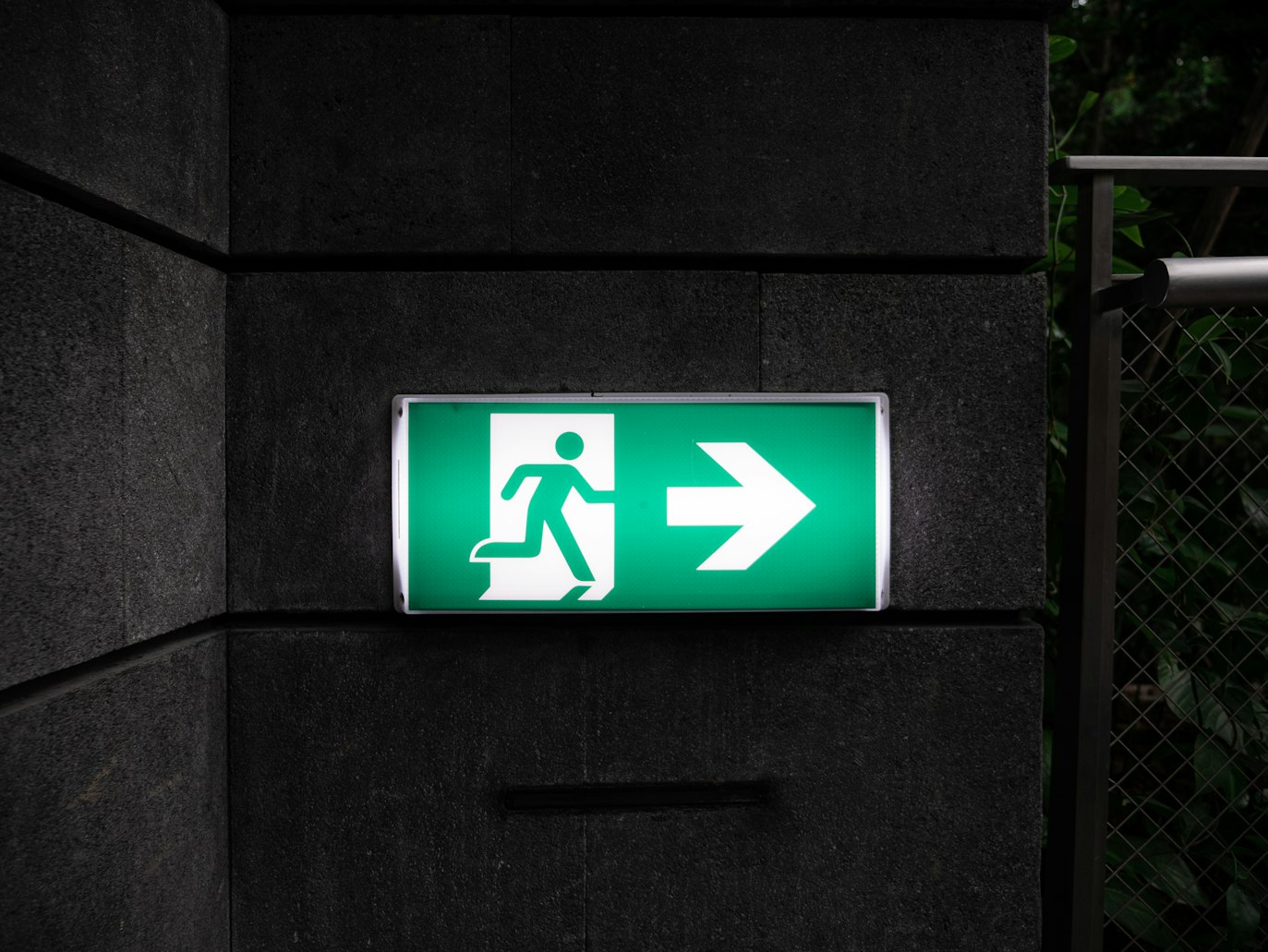
Emergency lighting is a critical component in safeguarding people during emergencies, whether in commercial buildings, hospitals, or residential complexes. Selecting the right distributor for these applications can be challenging but is vital to ensure that the systems you invest in are reliable, compliant, and suited to your specific requirements. A strategic approach to this selection process will help you identify a partner capable of meeting your needs effectively.

Prioritize Quality and Compliance Standards
The quality of emergency lighting systems directly impacts their performance during critical moments. It is important to verify that the distributor you choose provides products that meet industry standards and regulations. Emergency lighting systems often integrate features like a lighting inverter, which maintains an uninterrupted power supply during outages. This functionality is essential for safety and legal compliance. Carefully evaluate the certifications and testing protocols followed by the distributor to confirm the reliability of their products. Working with a distributor that prioritizes compliance ensures your systems will operate effectively when needed most.
Evaluate Product Range and Customization Options
Emergency lighting needs can vary significantly depending on the type of facility and its specific requirements. A distributor with a diverse range of products is more likely to have solutions tailored to your situation. Look for options such as LED emergency lights, exit signs, and centralized battery systems. Customization is another important factor—some projects require specialized designs to address unique architectural constraints or operational needs. Asking a distributor about their ability to create bespoke solutions can help determine whether they are equipped to meet these challenges.

Consider Customer Support and Technical Assistance
Installing and maintaining emergency lighting systems can be complex, requiring technical expertise at every stage. A distributor with a robust support system can help you navigate these challenges. From assisting with installation to providing ongoing maintenance and troubleshooting, strong customer service is a key factor in ensuring long-term system performance. When evaluating distributors, inquire about their support offerings and availability. A company that provides training or resources for your team to operate and maintain the systems can be a valuable partner.
Research Reputation and Long-Term Reliability
A distributor’s reputation offers insight into their reliability and the quality of their services. Look for reviews, case studies, and testimonials to understand how they have performed for other clients. A proven track record of supplying dependable emergency lighting systems can give you confidence in your choice. Assess whether the distributor is capable of meeting deadlines, handling large-scale projects, and providing consistent service over time. These factors are particularly important if your project involves ongoing needs or multiple locations.
Choosing the right distributor for emergency lighting applications involves more than just selecting a product. By focusing on factors such as compliance, product range, customer support, and reputation, you can identify a distributor that meets your specific requirements. A well-chosen distributor not only ensures the safety and reliability of your emergency lighting systems but also establishes a partnership that supports your needs over the long term. Taking the time to evaluate your options thoroughly will pay off with systems that perform when they are needed most.




Leave a Reply