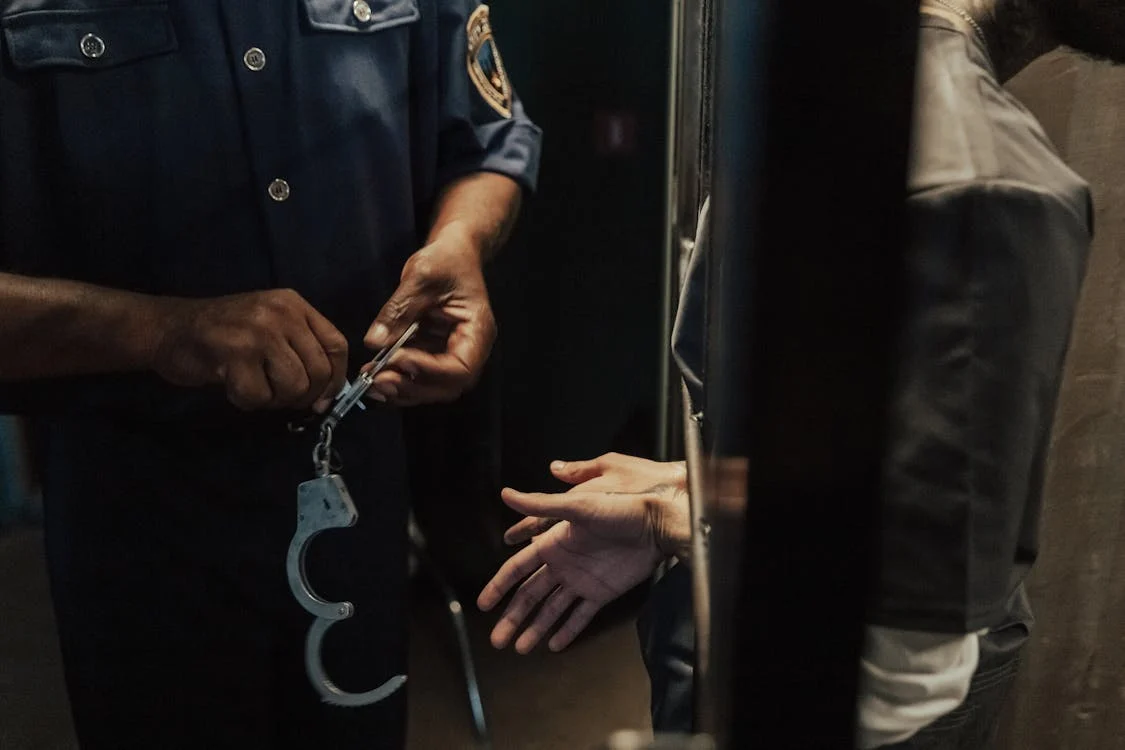
Understanding inmate custody and prison operations requires a closer look at the complexities of correctional facilities. Each facility operates under a unique set of rules and regulations that dictate how inmates are housed, managed, and monitored. The custody of inmates is not merely about keeping individuals confined; it involves a balance of security, rehabilitation, and various legal standards. This article explores essential aspects of inmate custody and the various operations within prisons.

Understanding Inmate Custody
Inmate custody is fundamentally defined by who has authority over an incarcerated individual and under what conditions. Different types of custody include maximum security, medium security, and minimum security, each with distinct regulations and levels of inmate freedom. Those classified under maximum security face strict containment due to violent offenses or escape risks, often spending much of their time in solitary or restricted environments. Medium-security inmates typically have more privileges, including educational programs and access to work assignments that aid in rehabilitation. On the other hand, minimum-security facilities generally accommodate non-violent offenders, allowing for greater freedom of movement and engagement in community affairs. Another critical aspect of inmate custody involves legal rights and protections every inmate is entitled to, which include access to healthcare, legal representation, and humane treatment. Violations of these rights can lead to severe consequences for correctional facilities, including lawsuits and oversight by federal agencies.
Daily Operations within Prisons
Prison operations encompass a wide array of activities that keep the facilities running efficiently. Daily activities focus not only on maintaining security but also on offering programs aimed at rehabilitation and societal reintegration. Staff members are trained to perform comprehensive safety checks, monitor inmate behavior, and manage emergencies. Each day is structured, with schedules outlining meal times, work assignments, and recreational activities. Such order is essential to maintaining safety and minimizing conflicts among inmates. The Riverside County Inmate Department provides resources for inmate management while supporting educational initiatives that prepare inmates for life post-release. Facilities may offer vocational training, mental health services, and substance abuse counseling to aid recovery. This commitment to rehabilitation indicates a shift away from punitive measures to a more holistic approach to corrections.
The Role of Correctional Officers
Correctional officers play a pivotal role in maintaining order within prisons. Their responsibilities extend far beyond enforcing rules; they are vital in establishing a culture of respect and safety. Officers receive extensive training on conflict resolution, mental health awareness, and emergency protocols to handle volatile situations effectively. The relationship between officers and inmates significantly influences overall prison dynamics. A positive rapport can foster an environment conducive to rehabilitation, while a lack of respect can lead to tension and violence. Regular evaluations and ongoing education for officers are essential to adapt to new challenges within the correctional landscape. Empathy, understanding, and resilience are pivotal traits for those working in this demanding field. Not only do they ensure daily operations run smoothly, but they also act as a bridge between inmates and rehabilitation initiatives.
Legal Considerations in Prison Management
The legal framework governing prison operations is extensive and continually evolving. Establishing standards for inmate treatment, health care access, and overall rights is a fundamental component of prison management. Courts often intervene when inmates believe their rights have been violated—cases can influence broader legislative reforms and change best practices adopted by institutions. Correctional facilities must navigate the complex landscape of public opinion and governmental oversight. Transparency in operations, operations processes, and adherence to federal mandates are scrutinized continually. Failure to comply can result in legal repercussions and a tarnished reputation, making it imperative for institutions to stay aligned with legal standards.
Challenges Facing Incarcerated Individuals
Individuals within correctional facilities experience a unique set of challenges that affect their mental and physical well-being. The environment can be highly stressful due to various factors like overcrowding, limited resources, and security protocols. Inmates often face isolation, stigma, and a lack of access to critical family support systems. All these challenges can lead to mental health issues, making rehabilitation efforts more complex. Many incarcerated individuals grapple with past traumas, substance abuse, and a lack of educational opportunities. The absence of adequate programs that address these issues can perpetuate a cycle of recidivism.
The Future of Inmate Custody and Corrections
The future of inmate custody and prison operations increasingly revolves around rehabilitation and reducing recidivism. As society reevaluates its approach to crime and punishment, innovative programs and policies are being put forth to facilitate reintegration. Transitioning from a focus on punishment to one of rehabilitation demands input from various sectors, including legislators, mental health professionals, and civil rights advocates. Technology is gradually transforming prison operations. Implementation of advanced monitoring systems and data analytics can improve safety protocols and track inmate progress more effectively. This evolving landscape highlights the necessity for ongoing training and adaptation among correctional staff to meet these new challenges head-on.

Understanding inmate custody and prison operations requires an appreciation for the multifaceted nature of corrections. Each aspect—from daily management to the role of legal protections and roadblocks faced by inmates—reflects broader societal values and flaws. Continued dialogue and reform are essential to ensure that correctional facilities fulfill their roles as places of safety and rehabilitation.




Leave a Reply