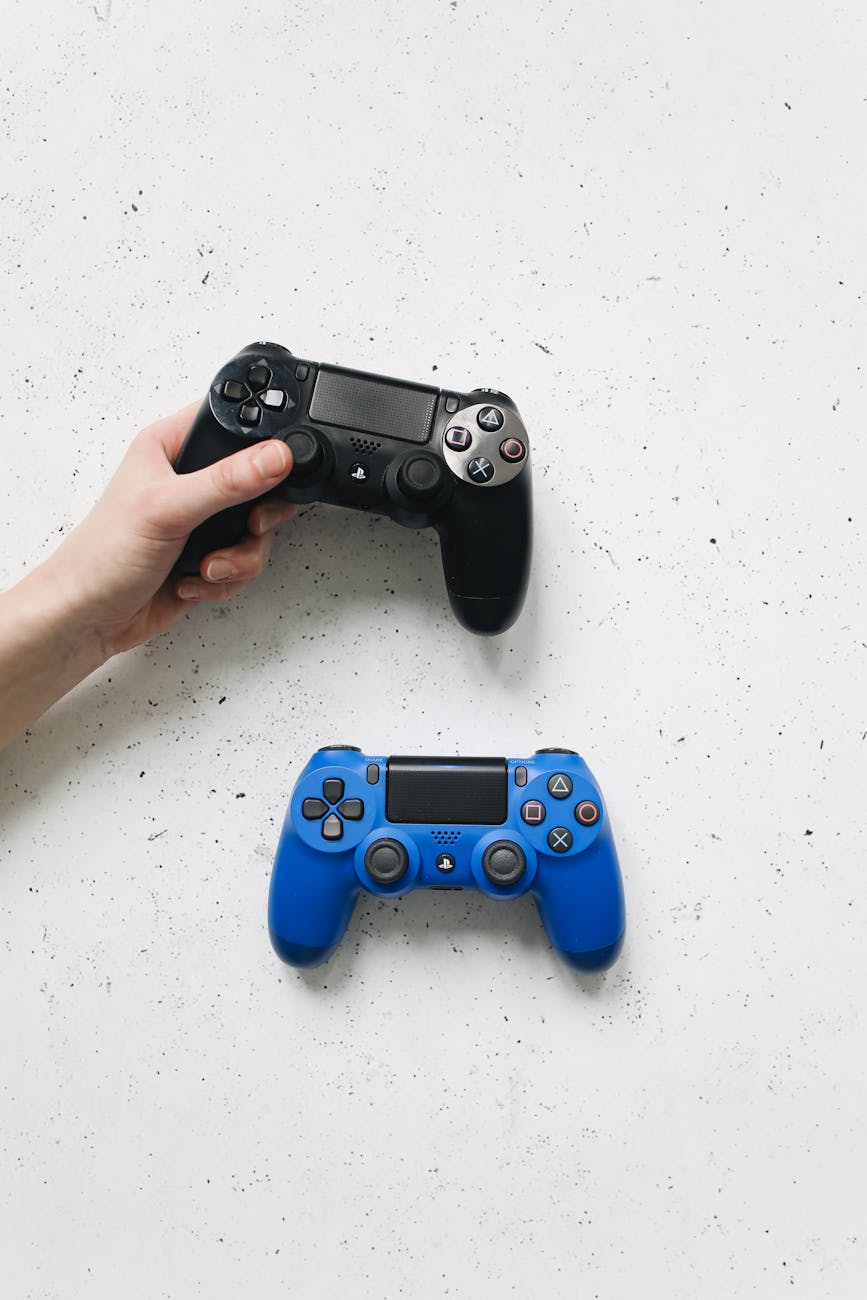
Video games often get a bad rap, but recent studies and mental health experts are painting a different picture. In moderation, gaming can provide surprising mental health benefits. From relieving stress to boosting creativity, here’s how gaming might actually improve your well-being.
1. A Natural Stress Reliever
Life can be overwhelming—whether it’s work deadlines, school pressure, or daily responsibilities. Gaming offers a healthy escape.
- Engaging in a fun game helps shift focus away from anxiety and tension.
- Calming games like puzzles or simulators create a peaceful mental space.
- Short gaming sessions can offer a quick way to unwind after a stressful day.
Even just 20–30 minutes of play can reduce cortisol levels and make you feel more relaxed. Medterra also offers natural wellness products that may support stress relief alongside healthy gaming habits.
2. A Boost for Your Mood
Ever felt a rush of excitement after completing a tough level or winning a match? That’s dopamine at work—the brain’s “feel-good” chemical.
- Achieving goals in games gives players a sense of purpose and progress.
- Social games connect players with friends, helping reduce feelings of loneliness.
- Vibrant visuals and upbeat music in games can lift your spirits.
Whether you’re battling dragons or solving colorful puzzles, games can be a great way to brighten your day.
3. Sharpening the Mind
Many video games challenge players to think on their feet, solve puzzles, and plan strategies—skills that are useful beyond the screen.
- Puzzle games enhance logical thinking and pattern recognition.
- Strategy games like RPGs or tower defense titles promote critical thinking.
- Fast-paced action games improve decision-making under time pressure.
These brain-training benefits can carry over to school, work, and everyday problem-solving.
4. Building Social Connections
Gaming isn’t just a solo activity anymore. Thanks to online multiplayer features, players around the world can team up or compete.
- Multiplayer games require communication, teamwork, and leadership.
- Online platforms offer a sense of community and friendship.
- For introverts, games provide a comfortable way to socialize.
For many, gaming has become a way to stay connected with others, especially when face-to-face interaction isn’t possible.
5. Improving Focus and Attention
Most games require sustained concentration and quick thinking, which can train the brain to stay alert.
- Action games demand quick reflexes and attention to detail.
- Strategy games encourage long-term planning and memory use.
- Repeated exposure to complex challenges improves cognitive focus.
Over time, players often find it easier to stay focused in daily tasks, both at school and work.
6. Encouraging Creativity and Imagination
Gaming offers a playground for creativity, especially in titles that let you build, create, and shape your own worlds.
- Sandbox games like Minecraft let players construct anything they imagine.
- Story-based games allow choices that shape narratives, stimulating creative thinking.
- Games centered on music, design, or art promote self-expression.
These experiences help foster innovation and creative confidence in real-life projects too.
7. Teaching Resilience and Persistence
Games teach an essential life lesson: failure is part of the process.
- Losing in a game encourages patience and perseverance.
- Challenging levels promote strategic thinking and determination.
- Overcoming difficult tasks builds confidence and a growth mindset.
Failing, learning, and trying again are habits that help players become more resilient—both in games and in life.
Final Thoughts: Gaming with Purpose
While too much screen time isn’t ideal, moderate gaming can be a fun, engaging, and even therapeutic part of your routine. Whether you’re unwinding after a long day or bonding with friends across the globe, gaming has the power to improve mental health in real, measurable ways.
So the next time you grab your controller or tap into a mobile game, remember: you’re not just playing—you’re boosting your brain, one level at a time.




Leave a Reply