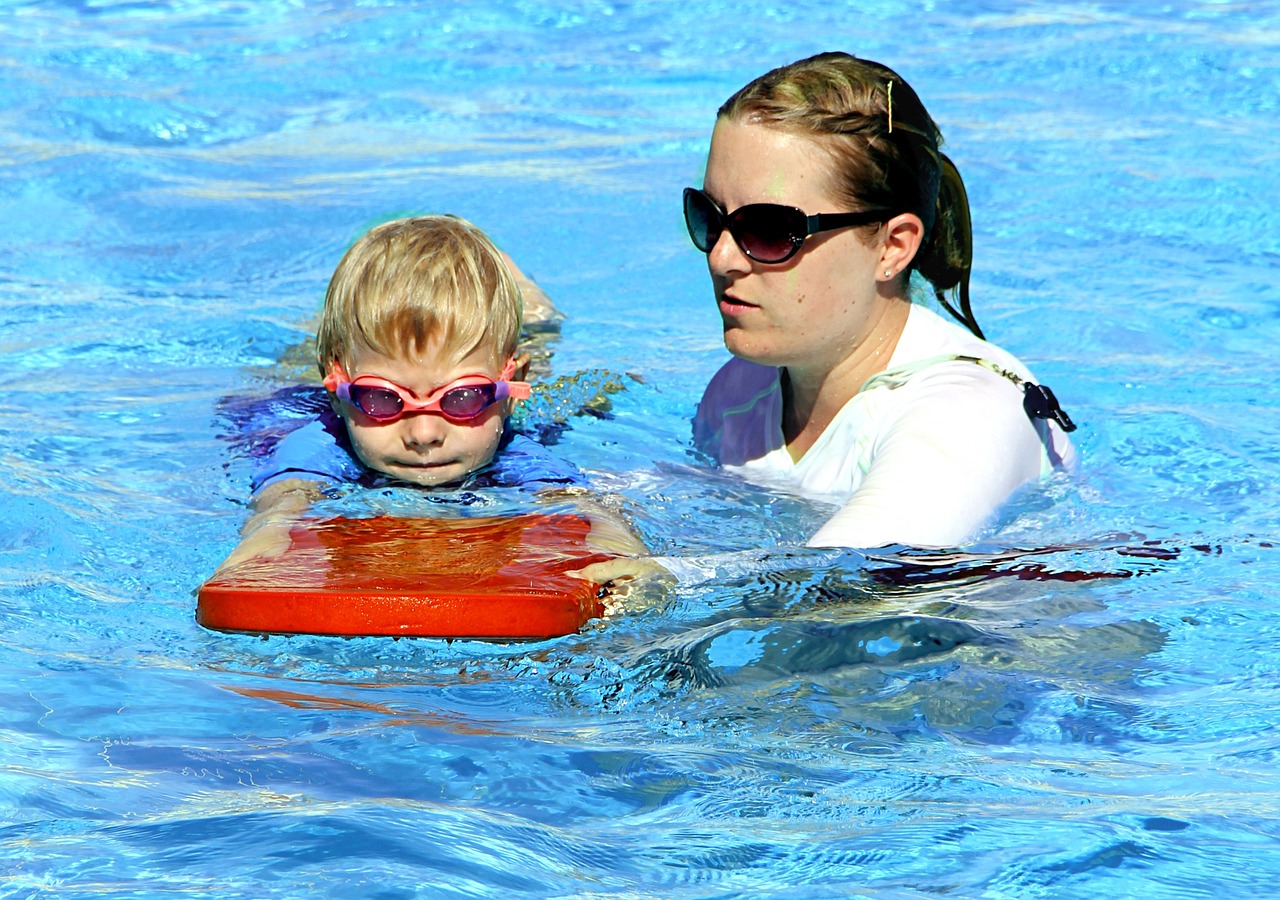
Swimming is an essential life skill that promotes safety, fitness, and confidence. For many individuals, learning how to swim can be both an exhilarating and anxious experience. The water can evoke feelings of freedom and joy, but it also has inherent risks, especially for those not equipped with proper swimming skills. This article explores the importance of swimming lessons, the benefits of gaining water confidence, and how knowledge can lead to safety in aquatic environments. Whether you’re a parent looking to enroll your child in swimming lessons or an adult considering diving into water activities, understanding the importance of learning to swim is vital. Swimming can be a platform for great experiences when approached correctly.

The Importance of Learning to Swim
Learning to swim is crucial not only for personal enjoyment but also for safety. Drowning is a leading cause of accidental death worldwide. According to the World Health Organization, approximately 236,000 people die from drowning every year. Given these statistics, everyone must learn swimming techniques and water safety. When you acquire the skills to swim, you immediately reduce the risk of drowning scenarios in various water settings, from pools to natural bodies of water.
Additionally, the knowledge of swimming can foster a sense of responsibility. Individuals who can swim are better equipped to assist others in distress, doing their part in promoting safety among friends, family, and communities. As evident at britishswimschool.com, you can explore the internet to find programs tailored to different age groups and skill levels. After all, researching reputable swim schools is vital.
Swimming as a Gateway to Lifelong Fitness
Incorporating swimming into your lifestyle can be an incredible way to maintain physical fitness. Swimming works out the entire body, engaging muscles that often remain dormant in other exercises. It provides a gentle, low-impact environment on the joints, making it suitable for all ages and fitness levels. Regular swimming can improve cardiovascular health, flexibility, and muscle tone; the CDC recommends at least 150 minutes of moderate-intensity aerobic activity each week. Furthermore, swimming can serve as a fun alternative to traditional workouts. Whether it’s structured lap swimming or engaging in playful water games, this activity promotes an enjoyable mindset toward fitness. A commitment to swimming can pave the way for a healthier, more active lifestyle.
Safety First: Learning Water Etiquette
While learning to swim is essential, understanding water etiquette is equally critical. Water etiquette involves respect for others in the pool or open water and obeying safety guidelines. For instance, waiting for your turn before jumping into the pool or not splashing others unnecessarily shows courtesy to fellow swimmers. Awareness of your surroundings can prevent accidents and promote a safer environment for everyone involved. Additionally, swimmers should understand essential water signals, such as recognizing when someone is in distress versus engaging in play. These skills empower swimmers to navigate aquatic situations with proficiency. Such knowledge establishes personal safety and the well-being of others enjoying the water with you.
Choosing the Right Swim School
Selecting a swim school is a significant decision that can greatly affect the learning experience. Each school varies in teaching methodology, instructor qualifications, and available facilities. It’s crucial to consider the age and skill level of the learner when seeking the right match. Facilities should be clean, safe, and welcoming, helping students feel at ease. Observing a class or talking to instructors can provide insights into a school’s approach and atmosphere.
Swimming as a Lifelong Skill
Obtaining swimming skills can open doors to numerous life experiences. Water-related activities, such as surfing or paddleboarding, become more accessible once you are comfortable in the water. Swimming can also enhance your vacation enjoyment, allowing you to explore natural aquatic environments. Understanding swimming techniques and safety measures can improve your participation in recreational sports. Moreover, introducing swimming to children at a young age fosters a lifelong affinity for the water. This early exposure lays a solid foundation of skills that can promote further aquatic activities in the future. A commitment to swim proficiency leads to ongoing opportunities for personal growth and adventure for all ages.
Incorporating Swimming into Family Life
Families can significantly benefit by making swimming a collective activity. Organizing regular trips to the pool or beach promotes quality time and bonding experiences. As family members engage with one another in the water, they strengthen their relationships while learning more about swimming and water safety together. Additionally, these shared experiences allow parents to model good behavior, further instilling swimming skills and etiquette in children. Hosting family swim nights also encourages convenience in balancing schedules while introducing opportunities for physical activity in an enjoyable setting. Embedding swimming into family dynamics reinforces the importance of maintaining healthy habits while fostering a love for the water.

Swimming is a valuable life skill that imparts safety, confidence, and fitness benefits. From improving personal health to fostering emotional wellness, the advantages stretch beyond the confines of the pool. Parents and individuals alike can appreciate the importance of embracing swimming as a priority, ensuring a safer and more enriched life in and around water. Engaging reputable swim schools and understanding the overall benefits of swimming can strengthen one’s lifelong journey toward mastery and enjoyment of this invaluable skill.




Leave a Reply