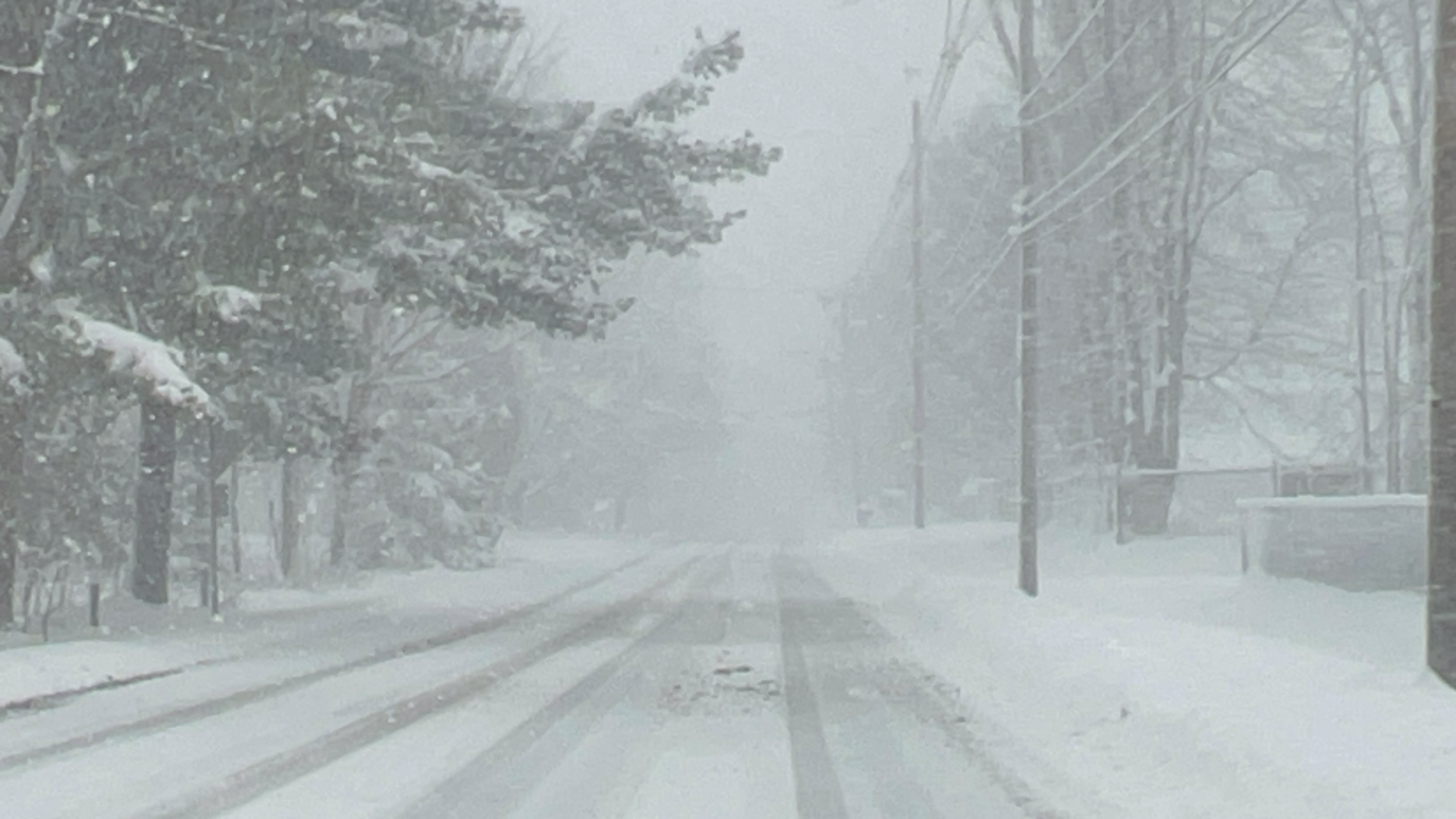
(WNY News Now) – A significant lake effect snowstorm is set to impact Chautauqua and Erie Counties starting Sunday night, with hazardous conditions expected through Wednesday morning.
The National Weather Service in Buffalo has issued a Winter Storm Watch for the region, forecasting 12-24 inches of snow, with snowfall rates of 1-2 inches per hour in the most persistent bands. Strong winds of 20-30 mph may lead to fallen trees and power lines, further complicating travel and causing potential power outages.
Key Safety Measures:
Residents are urged to avoid non-essential travel as conditions will be treacherous, with near-zero visibility and icy roads.
- If travel is unavoidable:
- Clear snow from your vehicle.
- Drive slowly, avoid cruise control, and increase following distances.
- Stay clear of snowplows and allow extra time to reach destinations.

Cold-Weather Safety:
Temperatures will feel like below zero due to wind chills, increasing the risk of frostbite and hypothermia. Stay vigilant for symptoms of hypothermia, such as confusion, shivering, and stiff muscles. Seek medical attention if needed and warm affected individuals gradually.

Shoveling Precautions:
Heavy snow can strain the heart. To prevent injury:
- Dress in layers and stay hydrated.
- Move small amounts of snow at a time.
- Take frequent breaks indoors.

Generator Use:
Power outages may occur. Follow generator safety tips to avoid carbon monoxide poisoning. Ensure the generator is in a well-ventilated area. Learn more here: Generator Safety.
If Stranded in a Vehicle:
- Run the engine for 10 minutes each hour to conserve fuel and prevent carbon monoxide buildup.
- Keep a window slightly open for fresh air.
- Clear the exhaust pipe of snow.
Stay informed by monitoring the latest updates and alerts at Weather Alerts.



Leave a Reply