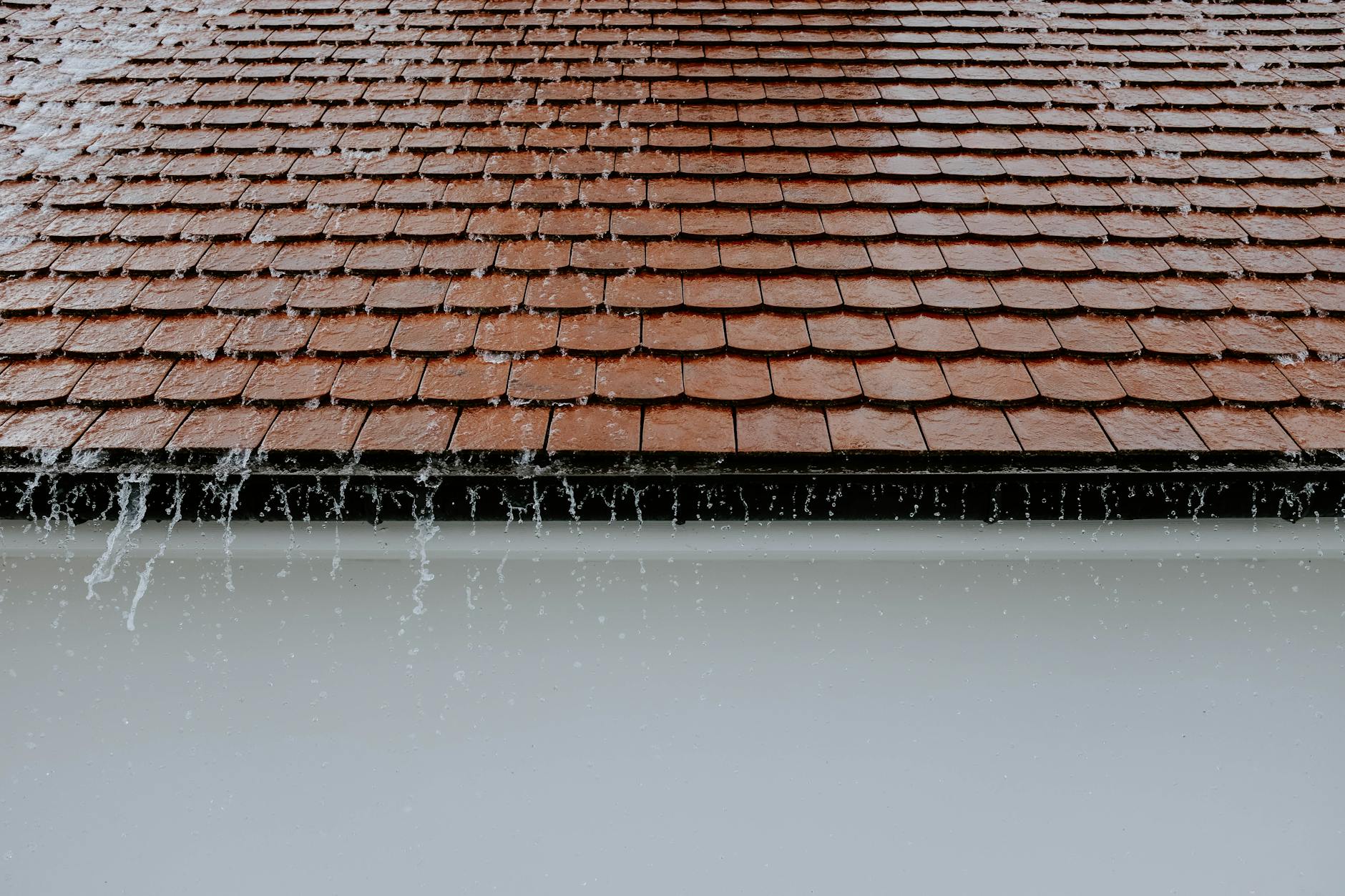
Your roof does more than top off your home—it directly affects energy efficiency, durability, comfort, and even property value. Whether you’re replacing an old roof or building a new one, informed roofing decisions can significantly improve your home environment while saving money over time. From material selection to energy performance and climate resistance, smart roofing investments are crucial for homeowners looking to enhance both sustainability and livability.
Choosing the Right Material: Function Meets Form
Selecting appropriate roofing material is one of the most impactful decisions in any home improvement project. Each type offers unique pros and cons depending on budget, climate, and long-term goals.
- Asphalt shingles are a popular, budget-friendly choice known for their easy installation and decent aesthetic variety. However, they fall short on energy efficiency and have a shorter lifespan compared to premium options.
- Metal roofing is gaining traction for its durability, low maintenance, and energy-saving reflective properties. It’s especially effective in warm climates where reducing heat absorption is a priority. Bonus: metal roofs are recyclable, making them an environmentally responsible option.
- Tile and slate roofs stand out for their classic appearance and exceptional lifespan, often lasting over 50 years. However, their weight demands additional structural support, and they come with a higher upfront cost.
Before committing, consider your local weather conditions. A heavy snowfall region may require stronger load-bearing capabilities, while homes in hot, sunny areas benefit from reflective or lighter-colored materials. Consulting local roofing professionals can help you find a material that matches your climate, budget, and home structure.
Boosting Energy Efficiency with Smart Roofing
One of the most overlooked advantages of modern roofing is improved energy efficiency. Your roof plays a crucial role in regulating internal temperatures. Energy-efficient roofs help lower utility bills by reducing the strain on your HVAC system.
Look for materials with reflective coatings or high solar reflectance index (SRI) ratings. These minimize heat absorption and keep your home cooler during summer months. For colder climates, proper insulation beneath the roofing surface helps trap heat inside during the winter.
Don’t overlook attic ventilation systems—they’re essential companions to your roofing setup. Effective ventilation prevents heat buildup in summer and condensation in winter, further enhancing the overall energy performance of your home.
Weather Resistance and Durability: Planning for the Long Haul
Weather can be unpredictable, but your roof shouldn’t be. Investing in materials known for durability and resistance to local weather extremes is essential for protecting your home and reducing long-term maintenance.
- Metal roofs handle high winds, heavy rain, and snow remarkably well, making them a wise choice in storm-prone areas.
- Tile and slate resist moisture and heat effectively, though they may not be ideal in regions with frequent freeze-thaw cycles.
Durability translates directly to fewer replacements over the years, reducing landfill waste and associated environmental impact. A quality roof with a 30–50 year lifespan far outpaces a cheaper alternative that needs replacement every decade.
Louisiana homeowners living on the east side of the Red River often learn from their roofing contractor in Bossier how long-lasting materials can help stabilize maintenance costs over time. They’re also shown how thoughtful material selection can strengthen overall home protection during severe weather.
By weighing initial investment against lifecycle costs and performance, homeowners can make sustainable choices that protect both their wallet and the environment.
Roofing and Property Value: Aesthetic and Financial Benefits
The condition and quality of your roof have a direct impact on curb appeal and home value. A well-maintained, high-performance roof can be a strong selling point, especially when it features energy-efficient or environmentally friendly materials.
Buyers are more likely to pay a premium for homes with newer roofs, knowing they won’t face immediate repair or replacement costs. Eco-conscious buyers, in particular, are attracted to sustainable options such as metal roofing, green roofing systems, or recycled materials.
If you’re considering selling your home, upgrading your roof can deliver solid returns—not just financially but also in terms of attracting more buyers in a competitive market.
Conclusion: A Roof That Works for You
Your roof is more than shelter—it’s a major factor in your home’s performance, sustainability, and value. Thoughtful roofing choices can lead to:
- Lower energy bills through better insulation and ventilation
- Improved comfort regardless of climate
- Enhanced resistance to weather extremes
- Long-term financial savings through reduced maintenance
- Increased home value and market appeal
By working with knowledgeable professionals and considering both short-term and long-term benefits, you can make roofing decisions that truly elevate your home environment.


Leave a Reply