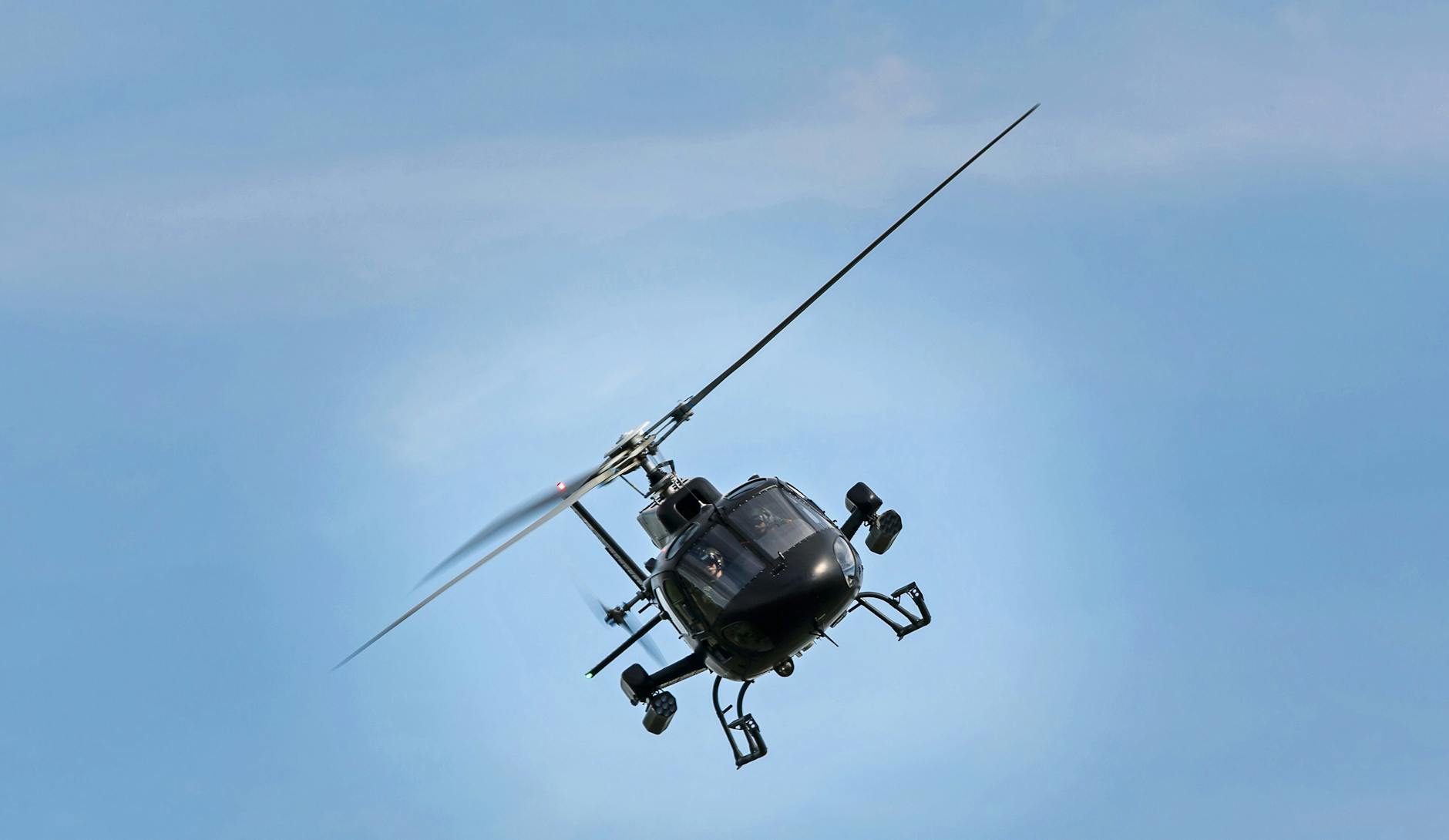
Pilot hopefuls are frequently attracted to the excitement of helicopter flight instruction, but delving into helicopter piloting is not solely driven by passion—it demands foresight, too. Devising a thought-out budget can make the path to obtaining a pilot’s license more feasible and achievable.
Understanding Training Costs
Before starting your journey into flight training, it is important to understand the expenses involved. Typical helicopter pilot training costs usually consist of fees for flight instructor rentals, aircraft courses for ground school, and study materials. Certain programs may also require payments for insurance, examination fees, and additional fuel charges. Having a grasp of these aspects is essential for creating a strategy that works for you.
Choosing the Right Flight School
When choosing a flight school for your training needs and financial planning, it’s crucial to consider factors such as pricing models and how they might affect your expenses. Aspiring pilots must carefully evaluate schools by looking at their reputation, the experience of their instructors, and the condition of their aircraft fleet.
Creating a Realistic Budget
Creating a budget that truly captures expected costs is crucially important. Begin with the expenses you already know, like tuition and supplies, to establish a base. Then, consider expenses such as fuel costs and upkeep fees. It’s smart to incorporate a cushion in the budget for expenses. Continuously reviewing and tweaking the budget guarantees it stays in line with spending habits.
Exploring Financial Assistance Options
There are ways to get financial help for helicopter pilot training, such as scholarships and grants tailored for aviation students and loans that can help cover expenses not met by funds. It’s advisable to explore these options promptly for better chances of receiving assistance.
Part-Time Work and Flexible Training Schedules
Juggling work alongside flight lessons can help alleviate burdens for students striving to fund their studies on the side job market has prudently embraced part-time jobs to back their pursuits. Embracing a flexible training timetable permits students to earn a living as they chase after their aviation dreams. Having conversations with instructors about the various scheduling possibilities can assist in customizing a plan that caters to both work responsibilities and educational aspirations.
Monitoring Progress and Expenses
It’s crucial to stay updated on both the progress and expenses involved in any endeavor you undertake. The key is to check in on how your training is progressing to keep students on the right track and avoid straying off course. By keeping an eye on your spending habits, you can prevent going over budget. Utilizing tools such as spreadsheets or budgeting applications can make this task easier.
Networking and Community Support
Interacting with the aviation community can lead to advantages. Connecting with students and professionals in the field of aviation might lead to opportunities to discover scholarship options or shared resources. Getting involved in aviation discussions, on-site workshops, and memberships in flying organizations helps expand connections and receive beneficial guidance and assistance.
Evaluating Return on Investment
It’s important to think about the lasting value of investing in helicopter pilot training over time. Even though the upfront expenses can be overwhelming at a glance. The career opportunities that can come from it are quite promising. Graduates often end up fulfilling jobs in areas such as emergency medical services, tourism, and corporate aviation. Weigh the income against the cost of training to feel more confident and driven about your decision.
Maintaining Financial Discipline
Maintaining a budget demands dedication and perseverance. Steering clear of unnecessary spending and staying concentrated on the end target to avoid financial stressors, consistently reassessing financial aspirations, and adapting when necessary is key in guiding students toward successfully attaining their educational goals.
In Summary
Planning financially for helicopter flight training requires consideration. Foresight is required when budgeting wisely to cover costs efficiently, from selecting the right school to utilizing available financial assistance options. Aspired pilots must choose wisely based on their financial circumstances. It’s important to stay focused and disciplined throughout the journey of becoming a helicopter pilot so that students can pursue their love of flying without obstacles.




Leave a Reply