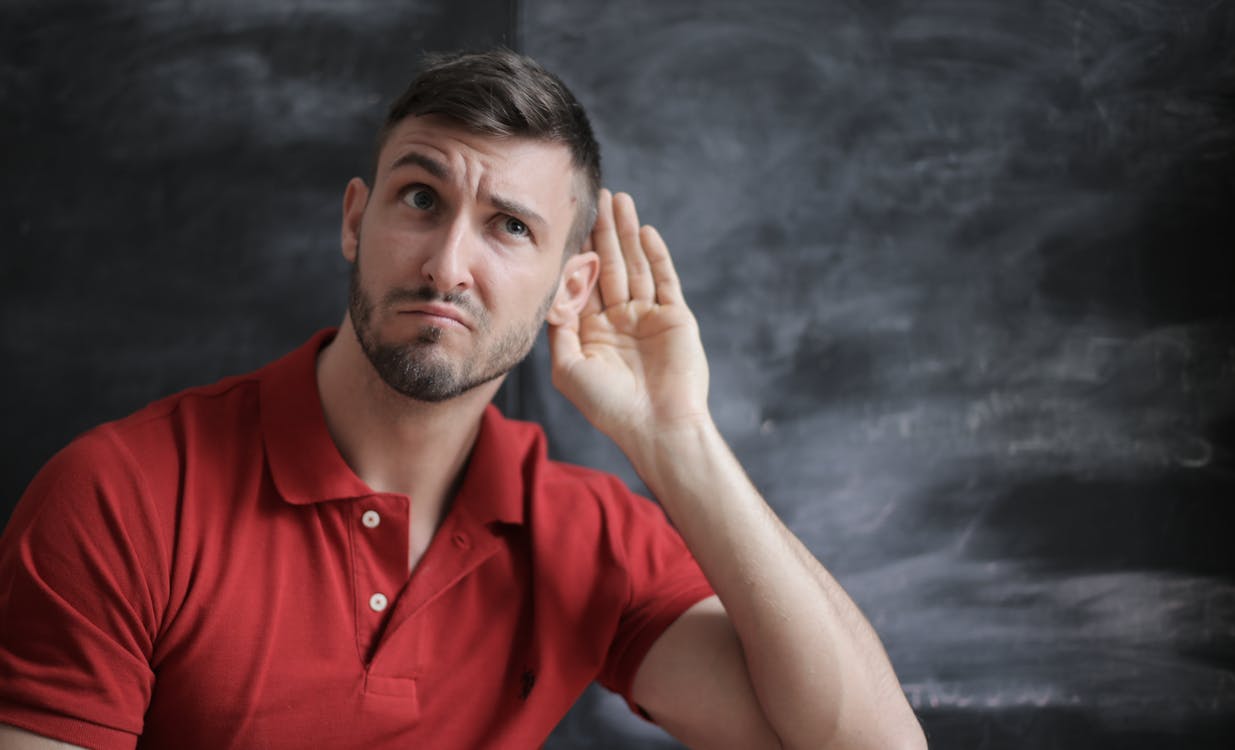
Hearing loss is a common issue, especially as we age, but it can also affect younger people. Recognizing the early signs of hearing loss can help prevent further damage and improve your quality of life. Many people are unaware of the subtle signals their body is sending until the condition becomes more severe. If you’re wondering whether you might be experiencing hearing loss, it’s essential to pay attention to certain signs. Below are some early warning signs that you should not ignore.

Difficulty Hearing in Noisy Environments
Difficulty hearing in noisy environments is one of the first signs that you may be experiencing hearing loss. If you often find it challenging to understand conversations in crowded places like restaurants, parties, or busy streets, it could signal a problem with your hearing. This happens because your brain and ears have difficulty filtering out background noise, making it harder to focus on the conversation. If this is a frequent issue, specialists in hearing loss can provide insights and help determine the cause. They can offer treatments that can improve your ability to hear clearly in noisy environments.
Frequently Asking People to Repeat Themselves
If you find yourself frequently asking people to repeat themselves or commenting that others are mumbling, it could be an early warning sign of hearing loss. In the beginning stages, hearing loss might only affect certain frequencies, such as high-pitched sounds, which can make it challenging to understand specific voices or sounds like children’s voices or the ringing of a phone. It may not be immediately obvious that hearing loss is the cause, especially if you only struggle in certain situations. Asking people to speak more clearly or slowly may be your way of coping with this issue, but it’s essential to recognize that this could indicate a decline in your hearing abilities. Over time, the problem can worsen, making it increasingly difficult to follow conversations.
Turning Up the Volume
Turning up the volume on the television, radio, or other devices can be another sign of hearing loss. If you find yourself consistently increasing the volume to levels that others consider too loud, this could indicate that you’re not hearing at the normal level you once did. Often, loved ones or roommates might start noticing the excessive volume and may comment that the sound is too loud for them. This difference in perception may be a clear indication that your hearing has changed. In the early stages, you might not recognize that your hearing is becoming less sensitive, but others around you may notice it more. If you’re adjusting the volume regularly to hear better, it’s time to schedule a hearing test with a professional.
Difficulty Understanding Speech
Difficulty understanding speech, especially in group settings, is another red flag that may indicate hearing loss. In these situations, even though you may hear people speaking, you might struggle to understand what they’re saying. This can become particularly noticeable in noisy environments where multiple people are speaking or when background noise makes it harder to focus on one conversation. This difficulty occurs because hearing loss often affects your ability to process specific sounds, such as consonants or high-pitched tones, which are vital for understanding speech. People with hearing loss often report hearing muffled or distorted speech, even when the words are clear. This issue can cause frustration and lead to a lack of confidence in social interactions. If this is happening to you, it’s essential to seek professional help,
Ringing in Your Ears (Tinnitus)
Ringing in the ears, medically known as tinnitus, is a common condition that often accompanies hearing loss. People with tinnitus experience a persistent or intermittent ringing, buzzing, or hissing sound in their ears, which no one else can hear. This sensation can vary in intensity and frequency, sometimes becoming more pronounced in quiet environments when there is no background noise to distract from it. Tinnitus can be a result of damage to the inner ear cells or the auditory system and is often associated with hearing loss, particularly noise-induced or age-related hearing loss. While tinnitus is not always a direct cause for alarm, it can be bothersome and distracting.
Social Withdrawal or Avoiding Conversations
Social withdrawal or avoiding conversations is a significant behavioral change that can occur when someone is struggling with hearing loss. As hearing becomes more challenging, individuals may feel frustrated or stressed about not being able to participate in conversations, which can lead them to avoid social situations altogether. This withdrawal can be especially noticeable in group settings where it’s more difficult to keep up with multiple conversations or when background noise makes it hard to hear. Over time, the anxiety around communication can cause someone to isolate themselves, which can lead to feelings of loneliness or depression.

If you’re experiencing any of the signs of hearing loss mentioned above, it’s crucial not to ignore them. Early detection can prevent further damage and improve the outcomes of treatment. Hearing aids, cochlear implants, and other assistive devices can help restore your hearing and improve your quality of life. Don’t let hearing loss silently impact your life—schedule a hearing test with a professional today to take the first step toward better hearing.




Leave a Reply