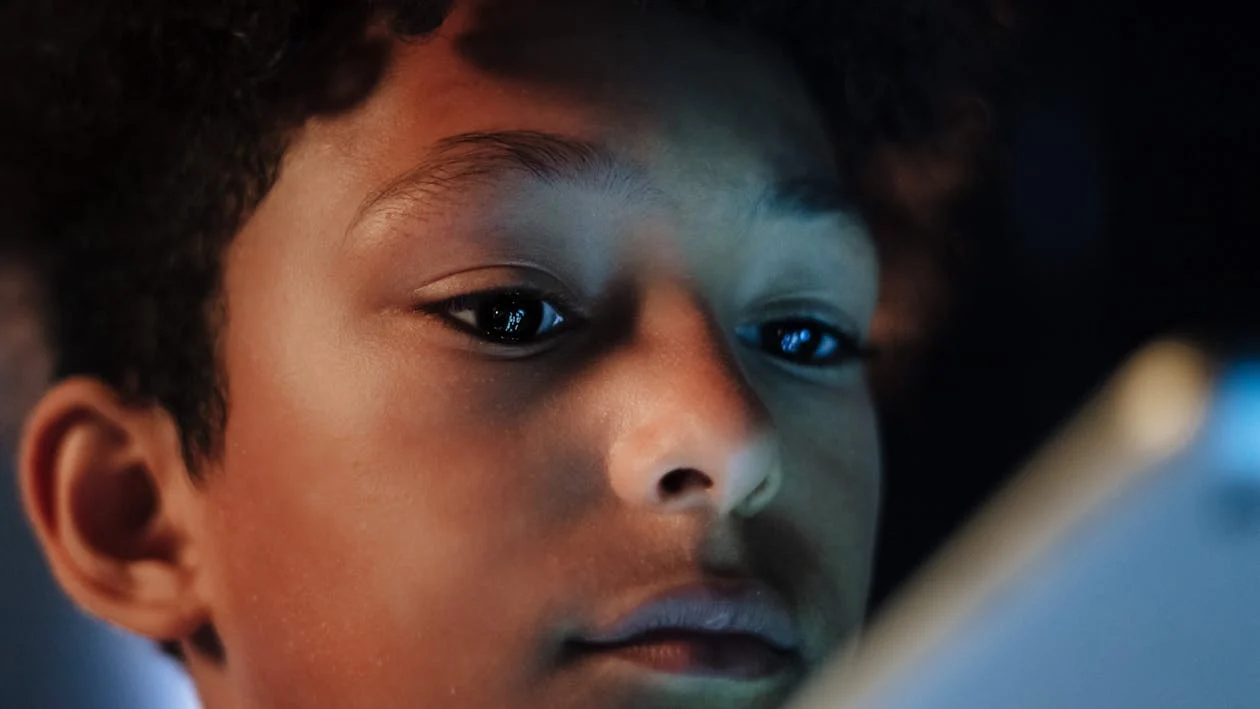
The prevalence of screens in our daily lives has raised concerns about our well-being, particularly regarding sleep. Blue light, emitted by smartphones, computers, and LED lighting, plays a significant role in disrupting our sleep patterns. Understanding the mechanisms by which blue light affects our sleep can empower us to take actionable steps toward better rest.

The Science Behind Blue Light and Sleep
Blue light, with a wavelength of about 480 nanometers, is known to inhibit the secretion of melatonin, the hormone responsible for regulating sleep. When blue light enters our eyes, it sends signals to the brain indicating that it is still daytime. As a result, melatonin production decreases, resulting in difficulty falling asleep or maintaining sleep. Studies have shown that exposure to blue light during the evening can shift circadian rhythms and disrupt natural sleep patterns. This effect is particularly pronounced for children and teenagers, whose biological clocks are still developing. Young adults often find themselves awake at odd hours, struggling to find a balance between work, technology, and sleep. Compounding the problem is the fact that many individuals use screens before bedtime, thereby exposing themselves to excess blue light at a time when their bodies are naturally winding down for sleep.
Common Symptoms of Blue Light Impact
Recognizing the symptoms of blue light exposure can be challenging, as they can blend into daily living. However, the most common symptom is disrupted sleep, characterized by difficulty falling asleep or staying asleep. People may also experience increased daytime fatigue or difficulty concentrating, which can further affect performance at work or school. Other issues include irritability and mood swings, often stemming from insufficient rest. Reports of headaches have also increased, with many attributing them to extended screen time and blue light exposure. Individuals suffering from sleep disorders may find that their conditions worsen with increased screen usage. This cycle of poor sleep and prolonged screen exposure can lead to chronic health issues over time.
Tips for Healthier Screen Time
Reducing blue light exposure involves several practical strategies, the simplest of which is curbing the use of screens before bedtime. Setting a screen time limit can significantly decrease exposure; consider creating a technology-free hour before bed where reading or relaxation activities take precedence. Incorporating specific software or applications that reduce blue light emissions from devices can also prove beneficial. Many smartphones now have ‘night mode’ features, which limit blue light output, helping users transition more smoothly into sleep. Wearing blue light glasses is a commonly used method for reducing exposure to harmful wavelengths, helping users manage screen time while maintaining better sleep patterns. Limiting overhead lights at home and opting for dimmer, warmer lighting in the evening can also help mitigate the impact of blue light. If possible, consider investing in smart bulbs that adjust their warmth according to the time of day, promoting a more conducive nighttime environment.
The Role of Sleep Hygiene
Sleep hygiene refers to the practices and habits that facilitate restful sleep. Creating a comfortable sleep environment plays an essential role in promoting better sleep quality. Start by ensuring that your bedroom is dark, quiet, and cool. Consider blackout curtains to block out external light sources, which can help cue your body that it’s time for rest. Establishing a consistent sleep routine, including a specific bedtime and wake-up time, reinforces your body’s natural sleep-wake cycle. Incorporating relaxation techniques before bed, like meditation or gentle stretching, can help signal to your body that it is time to wind down. Avoid stimulating activities, such as vigorous exercise or emotionally charged conversations, close to bedtime. In doing so, the body recognizes the transition towards relaxation.
Long-Term Effects of Blue Light Disruption
Persistent blue light exposure can lead to severe long-term health issues. Chronic sleep deprivation has been linked to an array of health problems, including obesity, diabetes, and cardiovascular diseases. Both mental health issues and cognitive decline have been tied to inadequate sleep, emphasizing the importance of restorative rest. Over time, individuals might find their ability to handle stress diminishes, leading to heightened anxiety and emotional instability. Studies show that adults who consistently report poor sleep quality also exhibit higher risks of developing mood disorders, including depression. Long-range implications cast a shadow over overall well-being, disrupting not just sleep but various facets of life, such as relationships and work performance.
Balancing Technology and Restful Living
Finding a balance between technology use and healthy sleep habits is crucial in today’s digitally driven world. While screens have become indispensable tools for work, communication, and entertainment, setting boundaries is key to minimizing their negative impact. Establishing tech-free zones, such as the bedroom, can create a sanctuary for rest. Families can encourage healthier habits by modeling appropriate screen use and discussing the importance of breaks from technology. Incorporating outdoor activities or hobbies that don’t involve screens can also provide a refreshing counterbalance to digital engagement. Employers and educators can contribute by promoting breaks during work or study sessions to reduce prolonged exposure.

Prioritizing sleep hygiene is essential, and making informed decisions about technology use can lead to meaningful improvements in overall health and well-being. Taking actionable steps to protect sleep can pave the way for more restful nights and revitalized days.




Leave a Reply