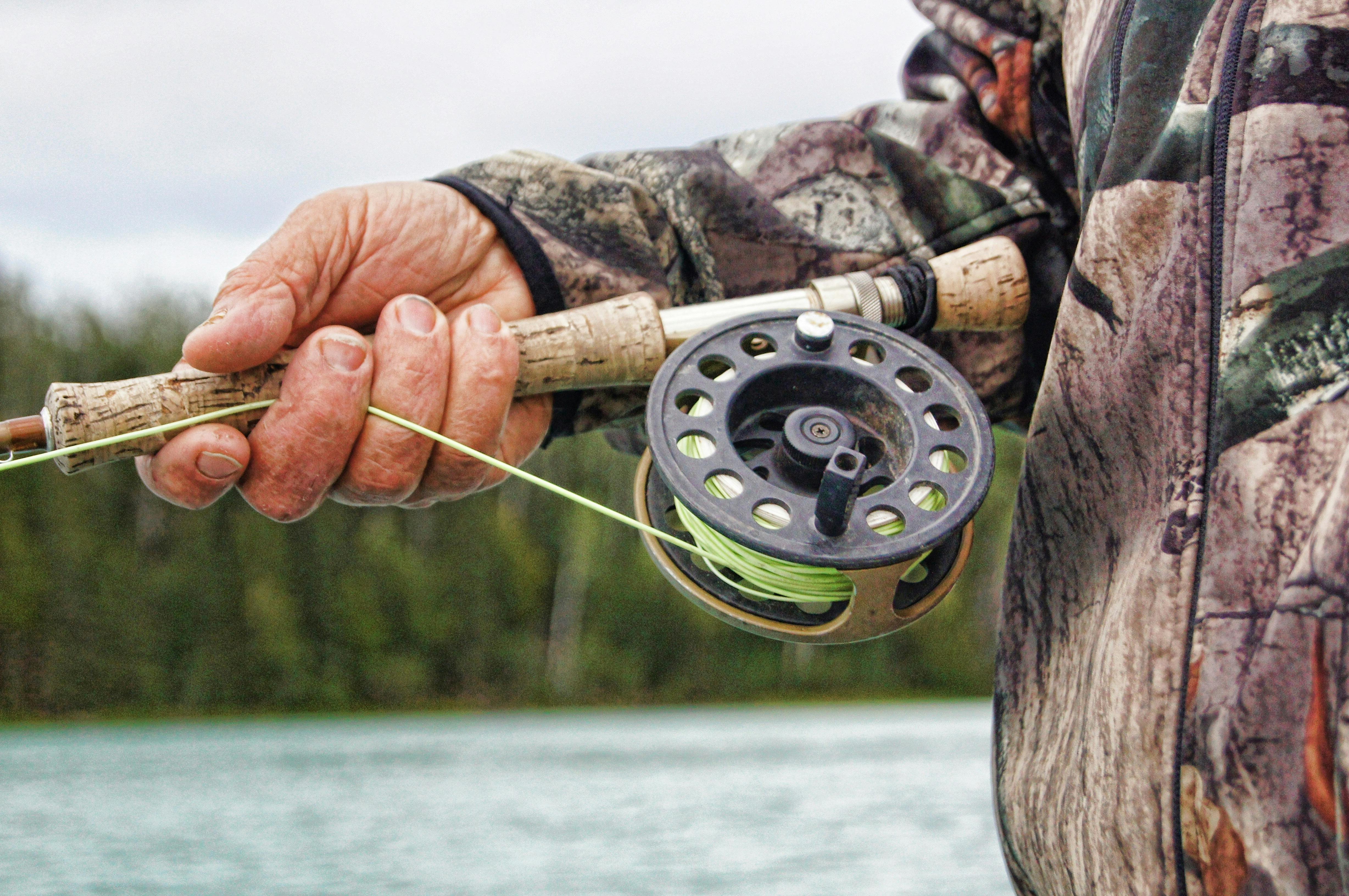
Flyfishing blends skill, observation, and patience into one of the most rewarding forms of angling. Its appeal lies not just in the chase, but in the harmony it requires between an angler and the environment. While the learning curve can feel steep, flyfishers of all experience levels benefit from revisiting foundational principles that often go overlooked. The following six insights break down the subtle techniques and habits that lead to more consistent success on the water.
1. Choosing the Right Fly: Why Observation Matters
Selecting the correct fly is far more than tradition—it’s the backbone of effective flyfishing. “Matching the hatch” means observing the insects present on or near the water and choosing a fly that closely resembles them. Fish are selective, and even a well-executed cast won’t compensate for an unrealistic pattern.
Different categories of flies—dry flies, nymphs, streamers, and wet flies—simulate different insect behaviors and life stages. Factors such as water temperature, depth, and insect activity should influence your selection. Size accuracy is equally important; a fly that’s too large or too small immediately signals danger to wary fish.
Presentation completes the equation. Some insects drift passively, while others skate across the surface. Pay attention to how the real insects behave and mimic that movement with your line and rod.
2. Casting with Purpose: The Mechanics Behind Accuracy
While flyfishing is known for elegant casts, beauty is secondary to control, timing, and efficiency. A successful cast positions the fly naturally while avoiding drag, the unnatural pulling of the fly by the line.
Beginners often try to imitate the sweeping movements seen in movies, but strong casting habits begin with short, controlled distances. Subtle adjustments—wrist angle, line tension, and pause timing—create repeatability. Over time, these small adjustments produce casts that land softly in the exact place you intend.
Rather than aiming to impress with long-distance throws, focus on consistency. Mastery is measured not in dramatic loops of line but in deliberate, accurate placement.
3. Reading the Water: Understanding a Fish’s World
No matter how sharp the gear or how perfect the cast, success hinges on knowing where fish like to hold. Fish gravitate toward areas offering food, shelter, and efficient movement: seams where currents meet, pockets behind boulders, shaded banks, and the edges of drop-offs.
Surface calm can disguise complex currents below. Observing bubble trails, changes in surface texture, and subtle color shifts reveals where the subsurface water is moving and where fish may be feeding. Time spent quietly watching the water is never wasted—it translates directly into smarter casts and more productive fishing.
Fish behavior is predictable for those who pay attention. Watch for rising insects, darting minnows, or birds feeding near the surface. These are signals that the river has begun its daily rhythm.
4. Learning from the Locals: The Value of Guided Insight
Even the most independent anglers benefit from tapping into regional expertise. Local guides often have years of experience with specific waters, making them invaluable resources for anglers visiting unique destinations.
In places like Nevada’s Pyramid Lake—home to legendary Lahontan cutthroat trout—guides understand the shifting sandbars, seasonal changes, and peak feeding times better than anyone. Their knowledge can shorten the learning curve dramatically and turn a standard outing into a memorable one.
A few hours with a guide can refine your casting, deepen your understanding of fish behavior, and introduce you to areas rarely accessed by newcomers. For anglers eager to level up, guided sessions are an investment that pays off long after the trip ends.
5. Caring for Your Equipment: Building Good Habits Off the Water
Flyfishing gear is durable, but only with proper care. Neglected rods, tangled lines, and grit-filled reels can cut a day short. Routine maintenance protects your investment and ensures your equipment performs as intended.
After every outing, dry waders thoroughly to prevent mildew, reorganize flies to avoid rust, wipe down rods, and occasionally lubricate reels. These simple steps prevent small issues from becoming costly problems.
Equally important is preparation. By packing your gear the night before, you reduce morning stress and start your fishing trip with a clear, focused mind—an asset just as important as the right fly or cast.
6. Timing vs. Patience: Knowing When to Act
Flyfishing often gets portrayed as a calm, patient sport—and it is—but timing is just as crucial. Fish have active feeding windows, most commonly early mornings and evenings. External cues, like birds feeding low over the water or insects suddenly emerging, can signal that fish are beginning to rise.
Patience doesn’t mean stubbornness. If fish aren’t biting, conditions may not be right. Changing flies, moving upstream, or taking a brief break can be more productive than waiting out a slow stretch. Experience teaches anglers when to hold steady and when to make adjustments.
Flyfishing is a lifelong learning process—part strategy, part instinct, part observation.
By refining fly choice, mastering casting mechanics, learning to read water, seeking expert insight, caring for gear, and understanding both timing and patience, you build a foundation that grows with every trip. No matter how long you’ve been on the water, there is always something new drifting just beneath the surface, waiting to be discovered.



Leave a Reply