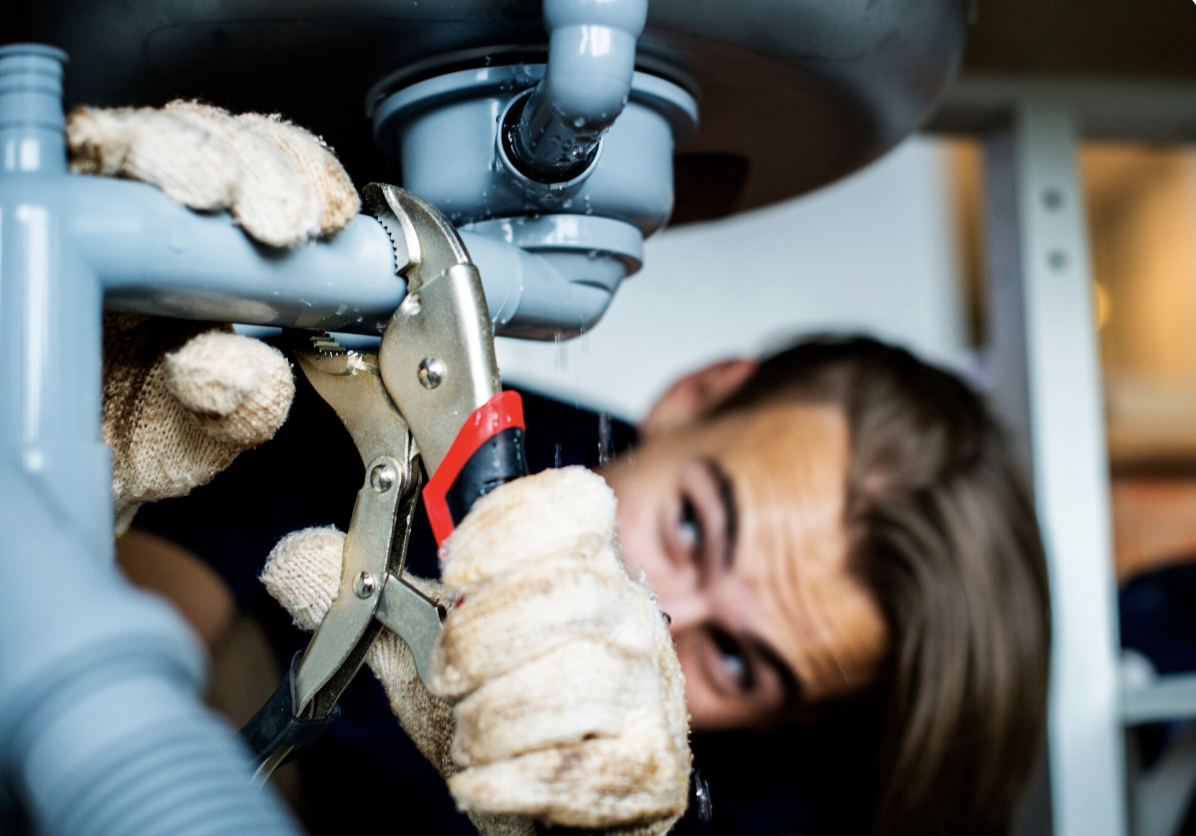
Yes. Without question.A plumbing emergency does not pause while you weigh your options. Every hour of inaction adds water, structural exposure, and biological risk to whatever caused the initial problem. What starts as a burst pipe or backed-up drain can become a flooring replacement, a mold remediation project, or a foundation repair within days.
Most homeowners delay for one of two reasons: they are not sure the problem is serious enough, or they are hoping it resolves on its own. Neither of those instincts is reliable when water is involved.
If you are already dealing with an active leak, overflowing drain, or standing water in your home, Emergency Plumbing Services Littleton CO, response should be your immediate next step.
Waiting to confirm whether the damage is “bad enough” is itself the decision that makes it worse.
Here is what actually happens when emergency plumbing repairs get delayed, broken down by problem type and timeline.
What Happens If You Ignore a Burst Pipe?
Within the First Hour
A burst pipe releases water at significant pressure. Depending on the pipe diameter and supply pressure, a single break can discharge hundreds of gallons before the main supply is shut off.
In that first window, water saturates flooring, soaks into subfloor materials, penetrates wall cavities, and begins moving through the path of least resistance in the structure. Drywall absorbs moisture rapidly. Insulation becomes saturated and loses its effectiveness. Wood framing begins absorbing water.
Within 24 Hours
Standing water that remains for even one day causes measurable structural damage. Hardwood floors begin to cup and warp. Carpet padding acts as a sponge, holding moisture against the subfloor below. Laminate flooring swells at the seams and separates from its base.
If the burst occurred near an electrical panel, junction box, or outlet, water contact with live circuits creates an electrocution and fire risk that makes the structural damage secondary.
Within 48 to 72 Hours
Mold growth begins within 24 to 48 hours on wet porous surfaces under typical indoor temperature conditions. The U.S. Environmental Protection Agency states that mold can begin colonizing wet materials in as little as 24 hours, and that indoor mold growth poses documented health risks, including respiratory irritation, allergic reactions, and worsened asthma symptoms.
Once mold establishes in wall cavities or beneath flooring, remediation requires professional intervention. You cannot paint over it, dry it out, or clean it with household products and consider the problem resolved.
What Happens If You Leave a Drain Backup Unaddressed?
The Immediate Risk
A backed-up drain does not just block water from flowing. It actively pushes contaminated water back into the living space. Sewage backups are classified as Category 3 water intrusion, the most hazardous category, because they contain pathogens, bacteria, and waste matter that pose direct health risks to anyone in contact with them.
Flooring, baseboards, and lower wall surfaces exposed to sewage backup require professional decontamination and often full replacement. The materials cannot be adequately sanitized through standard cleaning.
The Structural Consequence of Waiting
Every additional hour that backed-up water sits on a floor surface extends the absorption timeline. Concrete slabs absorb less than wood subfloors, but both hold moisture long enough to cause secondary damage. Tile floors appear undamaged but allow water to wick beneath them, saturating the mortar bed and adhesive layer and eventually producing loose tile and substrate deterioration.
The Hidden Risk Underneath
In homes with crawl space foundations, water from a first-floor drain backup can migrate into the crawl space through gaps around pipes. Once in that enclosed, poorly ventilated area, moisture accumulates without a visible indication to the homeowner. Wood joists in constant contact with moisture decay, lose structural integrity, and become vulnerable to pest infestation.
By the time a homeowner notices a soft spot in their floor, the joist damage may already require structural repair far beyond what the original drain backup would have cost to address.
Does Delaying Repairs Affect Homeowner’s Insurance Coverage?
This is a question most homeowners do not ask until it is too late.
Insurance policies distinguish between sudden, accidental events and damage resulting from neglect. A pipe that bursts without warning and is addressed promptly is typically covered as a sudden event. The same pipe, if the leak was known and left unrepaired for weeks, may be classified as a maintenance failure, which falls outside standard coverage terms.
Documentation of when a problem was discovered and what action was taken matters significantly in the claims process. Insurers employ adjusters trained to identify evidence of prolonged water exposure, including staining patterns, mold colonization depth, and material degradation consistent with extended moisture contact.
If you discover a leak and do not act on it promptly, you risk both the physical damage and the insurance coverage that would otherwise help pay for it.
What Emergency Plumbing Situations Cannot Wait?
Some plumbing problems are inconvenient. Others are genuine emergencies requiring a same-day response. Here is how to tell the difference.
Cannot Wait
Burst or actively leaking supply pipe. Water under pressure discharges fast. Shut off the main supply valve immediately and call for service.
Sewage backup is reaching living areas. Health risk is immediate. Do not use any fixtures in the home until the line is cleared.
Water heater failure with pooling. A failing tank can discharge large volumes rapidly and is often located near electrical panels or in finished spaces.
Frozen pipe showing signs of expansion. A pipe that has frozen but not yet burst has a narrow window for intervention before it fails.
Any plumbing failure near electrical components. Water and electricity in combination are a life-safety issue, not a plumbing issue.
Can Be Scheduled
A dripping faucet, a running toilet, a slow drain without backup, or reduced water pressure without any visible leak are real issues but not emergencies. They should be addressed within a reasonable timeframe, but do not require immediate response.
The danger in this category is letting “schedulable” issues drift indefinitely. A slow drain becomes a full blockage. A small leak around a supply line connection worsens over months. Schedulable issues that get ignored become emergency calls eventually.
How Much More Does Delayed Repair Actually Cost?
The cost difference between prompt and delayed emergency repair is consistent and significant.
A burst pipe addressed within hours requires pipe repair, drying equipment, and possibly flooring repair in the immediate vicinity. Total cost: $500 to $2,500 in most residential scenarios.
The same burst pipe left for 48 hours requires pipe repair plus professional water extraction, structural drying over multiple days, subfloor replacement in the affected area, and potentially mold testing. Total cost: $5,000 to $20,000, depending on the extent.
If mold remediation is required, add $2,000 to $10,000 for professional containment, removal, and surface treatment. If structural framing is affected, costs rise further.
Every category of plumbing emergency follows this same cost escalation curve. The repair itself rarely changes in complexity. What changes is the secondary damage attached to it.
What Should You Do While Waiting for the Plumber?
Taking the right steps in the window between discovering a problem and professional arrival limits how much damage accumulates.
Shut off the water supply. For a localized leak, the shutoff valve is beneath the fixture or behind the wall panel. For a burst main line, the whole-house shutoff is near the meter.
Cut power to affected areas. If water has reached floors, walls, or ceiling areas near electrical outlets or panels, turn off the circuit breakers serving those zones before entering.
Remove standing water manually. Use towels, mops, and wet vacuums to pull surface water off the flooring. The faster porous materials dry, the less secondary damage occurs.
Document everything. Photograph the source, the extent of visible water, and any affected surfaces. This documentation supports insurance claims and helps the arriving technician assess the full scope quickly.
Do not use drains or fixtures. If the issue involves a main line blockage or sewage backup, using any fixture in the home adds volume to an already compromised system.
Conclusion
Emergency plumbing problems do not stabilize on their own. Every hour between the moment of failure and professional intervention adds material to the repair scope and cost.
The instinct to wait and see whether it gets worse is understandable. But with water involved, getting worse is almost always what happens. The structure absorbs moisture. Mold begins its cycle. Materials that could have been dried are now candidates for replacement.
Prompt action on a plumbing emergency is not an overreaction. It is the decision that separates a manageable repair from a months-long restoration project. The hour you spend deliberating is often the most expensive hour of the entire event.



Leave a Reply