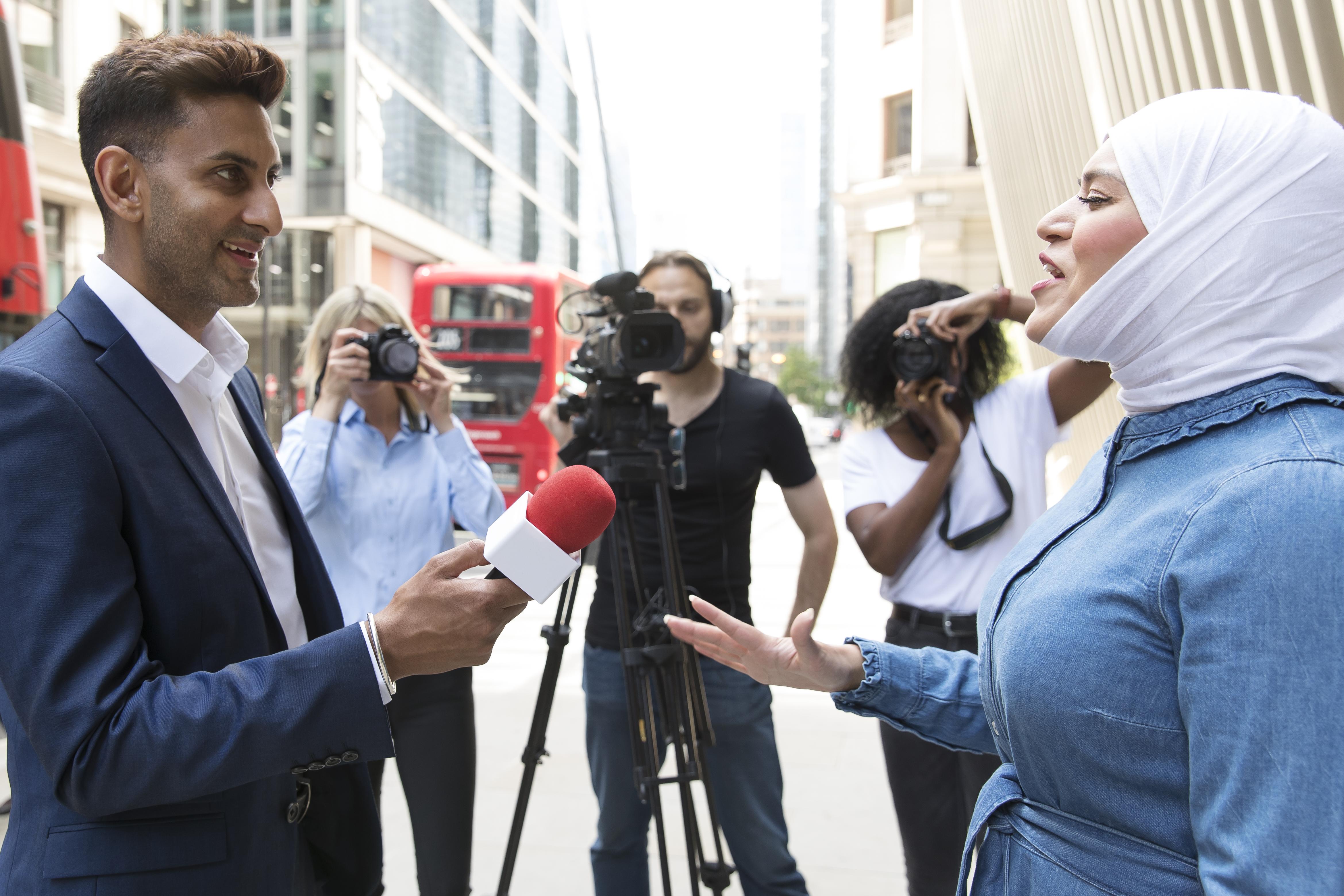
News reporters don’t just deliver stories—they build connections. Whether they’re on the field covering breaking news or attending local events, their ability to engage with the public plays a crucial role in shaping trust, gathering information, and making their reporting more impactful. The way they interact with people can influence not only the depth of their coverage but also the credibility of their work. A strong public presence allows them to access diverse perspectives, uncover hidden narratives, and foster meaningful community relationships. This blog post explores news reporters’ key strategies to socialize effectively, strengthen their rapport with the public, and navigate interactions.
7 Ways News Reporters Socialize With Communities & Public
1. Active listening skills
For news reporters, socializing isn’t just about talking—it’s about truly listening. Active listening lets them pick up crucial details, understand different viewpoints, and build trust with sources. By maintaining eye contact, nodding, and asking thoughtful follow-up questions, reporters show they value what people say.
Observation is equally important. Noticing body language, tone, and surroundings helps reporters gather unspoken details that add depth to their stories. This skill also makes interviewees feel heard and respected, increasing their chances of sharing valuable insights.
2. Genuine community engagement
News reporters need to be visible in the communities they cover. Attending local events like town hall meetings, cultural festivals, charity drives, and business openings helps them connect with people in a natural setting. This regular presence builds familiarity, making the public more comfortable speaking with them.
It also allows reporters to gather firsthand information, spot emerging trends, and develop relationships with key community members. Being present at these events shows that they care about local issues beyond just reporting headlines. Over time, this involvement helps establish credibility, making it easier to approach people for interviews or insights.

3. Asking open-ended questions
In the new language of journalism, asking open-ended questions is key to meaningful conversations. Instead of prompting short “yes” or “no” answers, reporters use questions encouraging people to share their thoughts and experiences in detail. For example, rather than asking, “Did you like the event?” they might ask, “How did the event impact you?” This technique helps uncover deeper insights, emotions, and perspectives that enrich a story.
Such questions also make interviews feel more like conversations rather than interrogations, putting people at ease and increasing trust. They also allow reporters to discover angles they may not have considered. All in all, by mastering this approach, they can strengthen public engagement and produce more in-depth, well-rounded news coverage.
4. Clear and concise communication
News reporters must communicate in a way that is easy to understand. When speaking with the public, using clear and simple language helps avoid confusion and keeps conversations productive. Long, complicated explanations can make people lose interest or misunderstand key points. Reporters should get straight to the point while ensuring they provide enough context.
Whether asking questions, conducting interviews, or explaining a story, being direct helps build trust and smooth interactions. Clarity is also important when summarizing information from sources. If a reporter misinterprets what someone says, it can lead to misinformation. By practicing clear and concise communication, reporters make it easier for people to engage, share insights, and contribute to news stories effectively.
5. Building trust naturally
Trust cannot be forced on news reporters—it must be earned over time through honest and respectful interactions. People are more likely to open up when they feel a reporter is genuine and not just looking for a quick story. Being transparent about intentions, avoiding sensationalism, and respecting people’s boundaries help establish credibility.
Reporters should also follow up on previous conversations and show that they value the perspectives shared with them. Rushing or pressuring someone for information can have the opposite effect. By being patient, reliable, and maintaining integrity in their work, reporters build trust naturally, making it easier to connect with people.

6. Adapting to audiences
News reporters interact with people from different backgrounds, professions, and age groups. To build strong connections, they must adjust their approach based on who they speak with. A formal tone may work when interviewing officials, while a casual, friendly approach is better for everyday conversations with the public. Understanding cultural differences, local slang, and community values helps reporters communicate more effectively.
They should also be mindful of how much background knowledge someone has about a topic, adjusting explanations accordingly. Note that a rigid, one-size-fits-all communication style can make interactions feel forced or distant.
7. Turning to herbal supplements
News reporters often face long hours, tight deadlines, and unpredictable schedules, leading some to explore herbal supplements as part of their daily routine. Among the many options, kratom has gained attention, with the Green Borneo strain being a popular choice.
Green borneo kratom used for its potential effects, is a great strain that may be preferred by individuals looking for a well-balanced variety. Some reporters might consider it part of their wellness habits, especially when managing demanding workdays. Like other herbal supplements, this strain’s effects may also vary depending on the individual and the amount used. So, it becomes imperative for one to consult a physician for optimum results and to avoid excess intake initially.
Why Should News Reporters Socialize With The Public Actively?
News reporters rely on public engagement to gather accurate, diverse, and relevant information. Actively socializing helps them build trust, making people more willing to share insights, stories, and concerns. A strong connection with the public allows reporters to uncover unique perspectives that might not be found through official sources.
It also helps them stay informed about local issues, emerging trends, and community sentiments. Socializing further enhances their credibility, as communities see them as approachable and invested in real stories rather than just headlines.
Closing Lines
Socializing with the public is crucial for news reporters, helping them build trust, gather valuable insights, and create well-rounded stories. By actively listening, adapting to different audiences, and maintaining clear communication, they foster meaningful connections that enhance their credibility. Attending community events, asking open-ended questions, and engaging naturally with people further strengthen their presence. Whether through direct interactions or personal wellness choices, effective socialization allows reporters to stay informed, gain fresh perspectives, and deliver impactful journalism.



Leave a Reply