You meticulously selected the beans, calibrated the coffee machine and created the perfect playlist to make your cafe feel warm, unhurried and inviting. Now, imagine receiving a cease-and-desist letter or a surprise federal copyright fine running into tens of thousands of dollars because of that exact playlist.
It happens far more often than most café owners realize. Music licensing is one of the most overlooked compliance issues in the food and beverage industry, and “I didn’t know the rules” is a defense that never holds up in court.
Here’s what you must understand before you hit play.
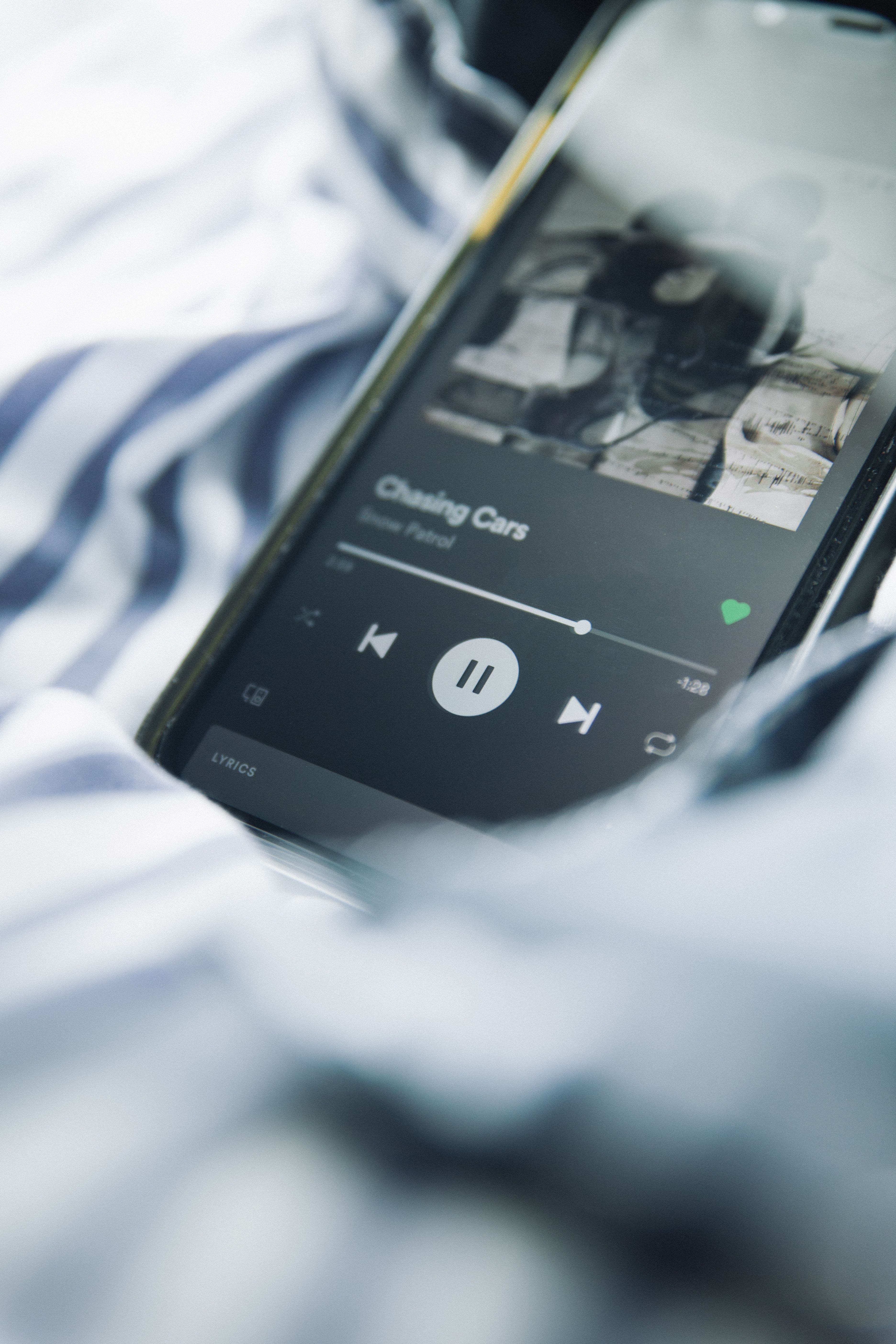
The Myth of the Spotify Premium Account
Many operators assume that paying for a personal streaming subscription—like Spotify Premium, Apple Music, or Amazon Music—gives them the right to play that music anywhere. It doesn’t. The exact same rule applies to YouTube.
Personal accounts are strictly licensed for private, non-commercial use only. The moment that audio is broadcast in a business where customers or employees can hear it, you are violating federal copyright law.
This isn’t a technicality; it’s how intellectual property works. When an artist writes a song, they retain the exclusive right to control its public performance. Playing music in your café constitutes a public performance, and that right belongs to the creator—not to you just because you pay a monthly consumer subscription.
Meet the PROs: ASCAP, BMI, and SESAC
To collect royalties, songwriters and publishers register with Performance Rights Organizations (PROs). In the United States, three major organizations dominate the landscape:
- ASCAP (American Society of Composers, Authors and Publishers): The oldest PRO, representing hundreds of thousands of creators and millions of copyrighted works.
- BMI (Broadcast Music, Inc.): A massive organization protecting a catalog of roughly 22 million musical works.
- SESAC (Society of European Stage Authors and Composers): A smaller, invitation-only PRO that nevertheless controls major, chart-topping catalogs.
The Double-Copyright Trap
Every piece of recorded music carries two distinct copyrights: one for the underlying composition (the lyrics and melody) and one for the master sound recording (the specific audio file of the performance).
Because different PROs often control different halves of the same song, a café owner trying to handle licensing manually must buy separate blanket licenses from all of these organizations simultaneously. Missing even one leaves your business legally exposed.
What Music Fines Actually Look Like
Federal copyright infringement in a commercial setting carries severe financial penalties. Under the U.S. Copyright Act, statutory damages are structured to deter businesses from cutting corners:
- Standard infringement = $750 to $30,000 per song played
- Willful Infringement = Up to $150,000 per song played
PROs employ field representatives who regularly visit local businesses, log unlicensed songs playing over house speakers, and file multi-million dollar lawsuits against coffee shops, bars, and retailers. The resulting legal defense fees alone can easily bankrupt a small, independent business.
The Problem with the “DIY” Approach
Even if an owner attempts to handle compliance independently, the administrative burden is overwhelming. The annual fees multiply, the paperwork stacks up, and you still haven’t cleared the master recording rights (which are managed separately by organizations like SoundExchange).
Trying to navigate this legal maze by yourself is inefficient, expensive, and leaves far too much room for error.
How a Single Commercial Subscription Solves It
Utilizing a dedicated business music service, such as SoundMachine, completely bypasses this entire compliance nightmare. A commercial platform built specifically for music for cafes handles 100% of the legal legwork for you:
- All-in-One Legal Coverage: Your single monthly subscription automatically covers the necessary public performance rights agreements across all major PROs and master recording sound rights.
- Built for Hospitality: Beyond absolute legal compliance, commercial platforms provide advanced tools designed for operators. You gain access to curated café stations, explicit lyric filters, and daypart scheduling to automate your venue’s energy from morning rush to afternoon lull.
The Bottom Line
A premium soundtrack is not optional in the modern specialty coffee landscape. Data consistently proves that intentional music increases guest dwell time, elevates average ticket sizes, and secures customer loyalty. However, that atmosphere must be built on a legal foundation.
Achieving total compliance doesn’t require a costly corporate lawyer or hours spent sorting through copyright filings. By shifting from a consumer app to a licensed commercial music subscription, you permanently eliminate a massive legal liability—allowing you to refocus on what you do best: crafting an incredible guest experience.




Leave a Reply