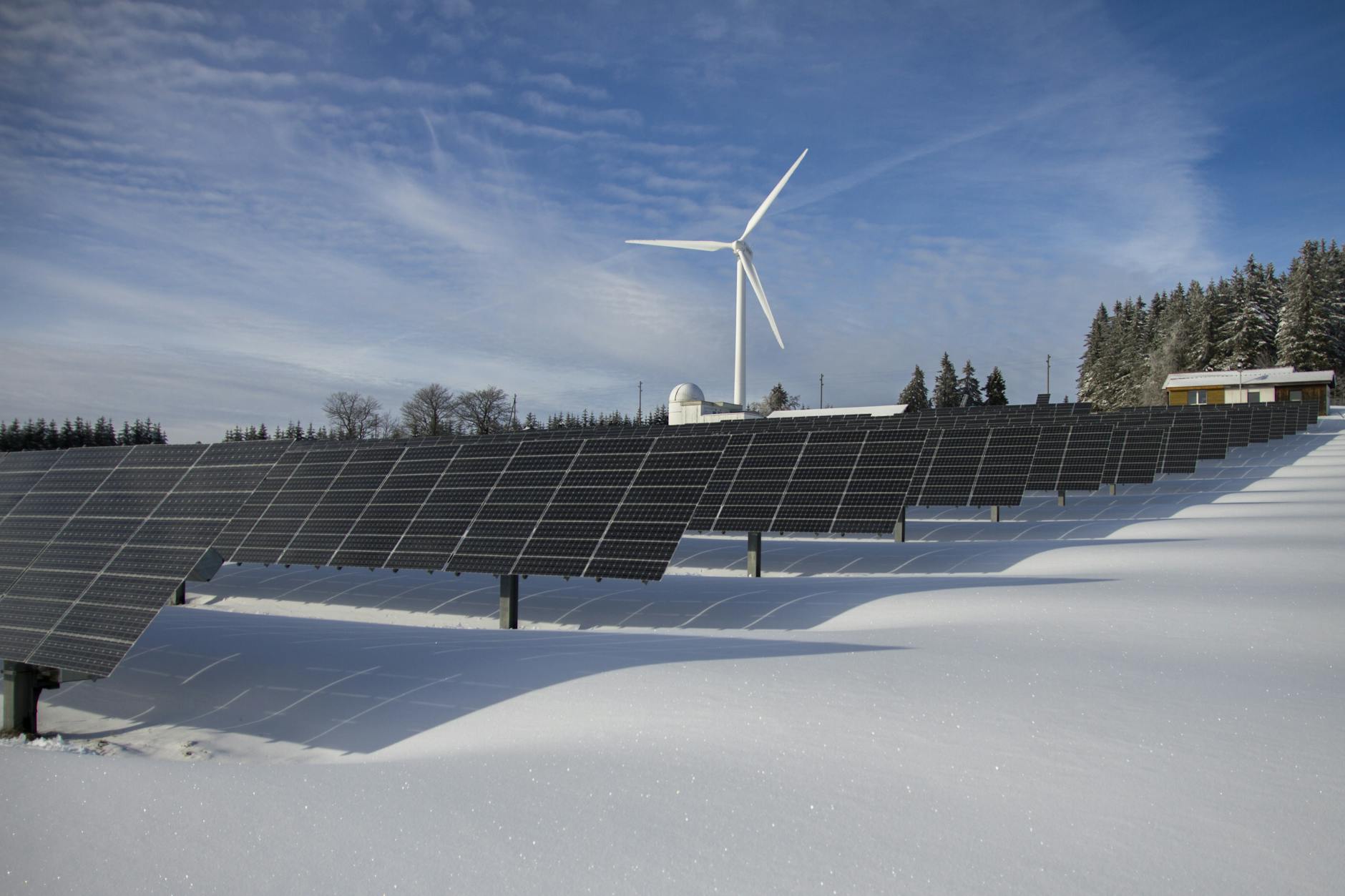
A sustainable future depends on renewable energy, which provides clean substitutes for fossil fuels. Solar, wind, hydro, and geothermal power reduce carbon emissions and dependence on finite resources. Advancements in energy storage, smart grids, and efficiency improvements enhance reliability and accessibility. Governments and businesses invest in policies and innovations to drive adoption worldwide. Renewable solutions become more viable as costs decline, supporting economic growth and environmental preservation. Embracing these technologies is essential for combating climate change and securing long-term energy sustainability.
Introduction
The need for renewable energy alternatives has never been greater as worries about climate change continue to rise. With increasing global initiatives pushing for sustainable energy solutions, transitioning from traditional fossil fuels to renewable sources is no longer just an option—it’s necessary. Various providers, like this energy provider, play pivotal roles in facilitating this transition, ensuring a healthier planet for future generations.
This comprehensive guide explores key renewable energy sources, examines their multifaceted benefits, and delves into their profound impact on our environment and economy. By fostering an understanding of existing technologies and future trends, individuals and businesses can play an active role in shaping a sustainable future that meets both current and future energy demands.
Understanding Renewable Energy
Natural resources that spontaneously replenish themselves over brief periods, such as sunshine, wind, and water, are the source of renewable energy. In contrast to fossil fuels, which are not only finite but also significantly contribute to pollution and global warming, renewable energy sources provide a cleaner, more sustainable option. We can drastically cut global carbon emissions, reduce the adverse consequences of climate change, and create a healthier planet by lowering our need for carbon-intensive energy sources.
Solar Energy: A Shining Example
Solar energy is captured using photovoltaic cells, which directly transform sunlight into electrical energy. This energy source has gained tremendous popularity due to its accessibility, decreasing costs, and environmental benefits. As technology advances, solar panels become more and more efficient, making them an excellent option for home and commercial uses. Recent solar technology developments have improved conversion efficiency and introduced innovative storage solutions for widespread adoption. These developments strengthen solar energy’s position as a key component of sustainable energy generation by enabling communities to use it even when the sun isn’t shining.
Harnessing the Power of Wind
Wind energy transforms the natural kinetic energy of the wind into mechanical energy through turbines. With its efficiency and quickly falling costs, wind energy is one of the energy sources with the quickest rate of growth in the world. Its proliferation is supported by policy incentives and technological innovations that allow turbines to operate in areas with diverse wind conditions. Learning from successful global initiatives such as the worldwide wind energy initiatives, countries invest in large-scale wind farms and more minor, community-based projects. These installations provide local communities with clean energy and economic opportunities, further driving their adoption.
Hydroelectric Power: Flowing Toward the Future
Hydroelectric power captures the kinetic energy of moving water to produce electricity by utilizing dams and hydroelectric turbines. While the construction and operation of hydroelectric plants can have ecological impacts, such as altering river ecosystems and displacing wildlife, the benefits of this renewable energy source are significant. Hydroelectric power is a reliable and steady energy source with minimal greenhouse gas emissions when managed responsibly. Future developments in technology and policy are focused on optimizing energy production while ensuring that ecological considerations are balanced and addressed appropriately.
Geothermal Energy: Tapping into Earth’s Heat
Geothermal energy harnesses the Earth’s intrinsic heat to produce electricity and is particularly valuable due to its low emissions and consistent energy supply. By tapping into geothermal reservoirs through wells, we can access high-temperature fluids that can drive turbines and generate power. However, geothermal energy faces challenges such as high upfront costs and the need for suitable geological locations. Strategic investments, government incentives, and technological innovation are helping to expand the reach of geothermal energy, making it a key player in the future renewable energy landscape.
The Economic Impact of Renewable Energy
The renewable energy sector is not just environmentally beneficial; it also holds significant economic promise. From research and development to manufacturing and installation, this industry generates many new job possibilities as the world shifts to cleaner energy sources. By enacting laws that support the growth and use of renewable energy, governments everywhere are realizing the promise of this source. By lowering dependency on imported fuels, this assistance promotes economic expansion and energy independence, resulting in a positive economic feedback cycle.
Technological Advancements and Future Trends
Technological advancements are crucial in optimizing renewable energy systems, with innovations in artificial intelligence and the Internet of Things leading the way. These technologies facilitate greater efficiency in designing, operating, and maintaining renewable energy systems, enabling seamless integration of different energy sources. Emerging innovations such as energy storage solutions and smart grids address the intermittency issues of renewable energy, offering enhanced reliability and paving the way for a future dominated by renewable energy. As these technologies evolve, they provide the framework for an energy landscape where renewable sources can support global energy needs sustainably and efficiently.
Conclusion
Renewable energy provides a workable solution to the 21st century’s most urgent environmental issues while promoting innovation and economic expansion. As we continue to adopt and advocate for cleaner energy solutions, the benefits extend beyond environmental preservation, fostering innovation, creating jobs, and ensuring a sustainable legacy for future generations. By investing in and championing renewable energy development, we can collectively build a resilient and sustainable future that meets today’s and tomorrow’s energy needs.




Leave a Reply