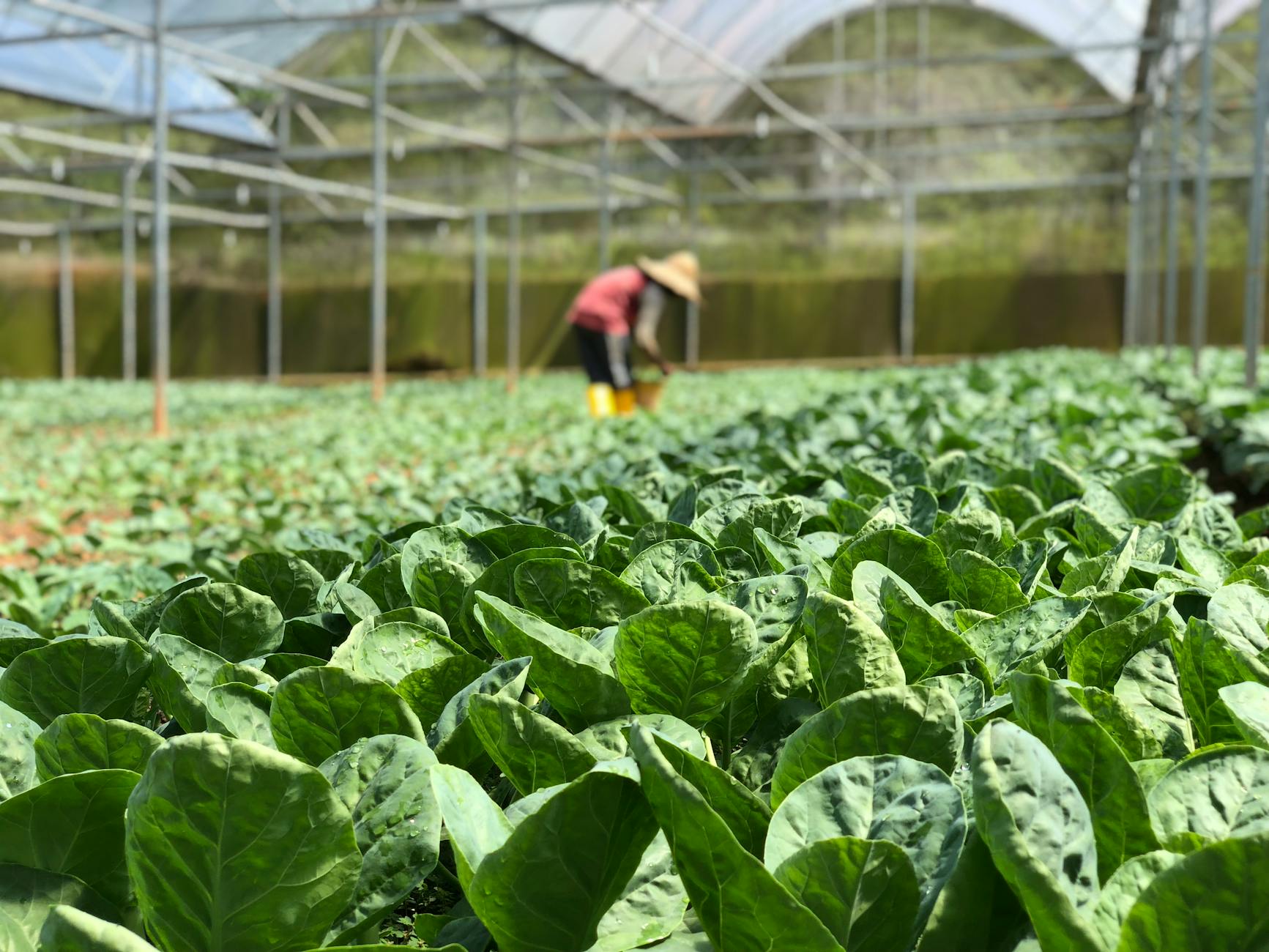
Kratom, a tropical tree native to Southeast Asia, has gained global attention in recent years for its natural stimulant and pain-relieving properties. As demand for kratom grows in Western markets, concerns have emerged about its environmental impact and how it’s cultivated. While kratom farming has the potential to be eco-friendly, it must be done with sustainability in mind to preserve biodiversity, prevent deforestation, and support local communities.
So what does sustainable kratom farming really look like—and why does it matter?
Understanding Kratom Cultivation
Kratom (Mitragyna speciosa) is traditionally grown in countries like Indonesia, Thailand, and Malaysia. The tree thrives in humid, tropical climates and has been used for centuries by locals for its medicinal and cultural significance. Kratom leaves contain alkaloids like mitragynine and 7-hydroxymitragynine, which provide its signature effects ranging from energy boosts to pain relief and relaxation.
Unlike many cash crops, kratom is typically grown in small-scale agroforestry systems. These setups involve cultivating kratom among other native plants and trees, allowing for a balanced ecosystem and minimal disturbance to the land. However, rising international demand has triggered a shift in some regions toward mass production—often at the cost of environmental health.
The Environmental Risks of Unsustainable Kratom Farming
As the kratom industry expands, the temptation to prioritize profits over the planet increases. Unsustainable farming practices include:
- Clear-cutting forests to make room for kratom monocultures.
- Overharvesting trees, which can harm their longevity.
- Using chemical fertilizers or pesticides, which disrupt soil and water systems.
- Disrupting biodiversity by removing native species and over-planting kratom.
These practices can lead to deforestation, soil erosion, water pollution, and a breakdown in local ecosystems. Deforestation, in particular, is a major threat—not only to the environment but also to the long-term viability of kratom crops themselves, which naturally flourish in biodiverse, shaded environments. As the demand for buying kratom online continues to grow, it’s essential for consumers to consider the environmental impact of their purchases and support sustainable, ethically sourced products.
What Sustainable Kratom Farming Looks Like
Fortunately, many kratom farmers and cooperatives are embracing sustainable techniques that protect the environment while maintaining crop quality. Here’s what environmentally responsible kratom cultivation entails:
1. Agroforestry Systems
One of the best ways to grow kratom sustainably is through agroforestry—integrating kratom trees into existing forest ecosystems. This method mimics natural growth conditions, supports soil health, and allows wildlife to thrive. Farmers often plant kratom alongside fruit trees, medicinal herbs, and native vegetation, creating a diverse and productive landscape.
Agroforestry not only conserves biodiversity but also reduces the need for artificial inputs like fertilizers and pesticides. It allows farmers to grow kratom without damaging the surrounding forest, keeping the ecosystem intact.
2. Organic and Chemical-Free Practices
Sustainable kratom farmers avoid using synthetic chemicals, instead opting for compost, mulch, and natural pest deterrents. This keeps harmful residues out of the soil and waterways and results in a cleaner, more natural product for consumers.
Some growers go a step further by obtaining organic certification, which requires strict adherence to chemical-free farming and transparent documentation. While this can be challenging in remote regions, it’s a powerful commitment to sustainability and consumer safety.
3. Community-Based Cooperatives
Many sustainable kratom operations are run by small farming cooperatives that prioritize ethical labor, fair wages, and environmentally conscious practices. These cooperatives often invest in local infrastructure, education, and forest conservation efforts.
Supporting these community-driven models helps ensure that profits go back into the region, reducing economic pressure to engage in destructive practices. It also creates accountability, as these cooperatives have a vested interest in maintaining the health of their land for future generations.
4. Responsible Harvesting Techniques
Instead of stripping trees of all their leaves at once, sustainable farmers practice selective leaf harvesting. This method involves picking mature leaves while leaving younger ones to continue growing, allowing the tree to regenerate naturally. Over time, this results in stronger, healthier kratom trees and consistent yields.
Proper pruning and harvesting schedules are key to keeping kratom trees productive without stressing them or the surrounding environment.
5. Education and Certification
Sustainability is as much about knowledge as it is about action. Some kratom farmers are working with environmental organizations and agricultural experts to learn sustainable methods and get certified through eco-label programs. These certifications can help environmentally responsible growers stand out in the market while holding them accountable to global sustainability standards.
Why Sustainable Kratom Farming Matters
Sustainability isn’t just a buzzword—it’s the foundation of a long-lasting kratom industry. Environmentally friendly farming practices ensure that:
- Kratom remains available for future generations.
- Forests and biodiversity are protected, not sacrificed.
- Local economies benefit from ethical labor and community-focused development.
- Consumers receive a cleaner, safer product they can feel good about using.
In contrast, unsustainable farming puts the entire kratom ecosystem at risk. Deforestation and soil depletion can permanently damage the regions where kratom grows best, leading to lower-quality crops, legal restrictions, and loss of livelihoods for thousands of farmers.
The Consumer’s Role in Sustainability
As a consumer, you can influence the kratom market by choosing brands that prioritize sustainability. Look for vendors who:
- Source their kratom from small-scale or cooperative farms.
- Provide transparency about their farming methods.
- Offer lab-tested, chemical-free products.
- Support reforestation or conservation efforts.
By supporting responsible kratom producers, you’re not just getting a better product—you’re also investing in the health of the planet and the people who grow this incredible plant.
Final Thoughts
Kratom’s rise in popularity presents both a challenge and an opportunity. With sustainable farming practices, we can protect the environment, empower local communities, and ensure the future of kratom for years to come. As regulations continue to evolve, and as consumers grow more conscious, sustainability must remain at the heart of this global green movement.




Leave a Reply