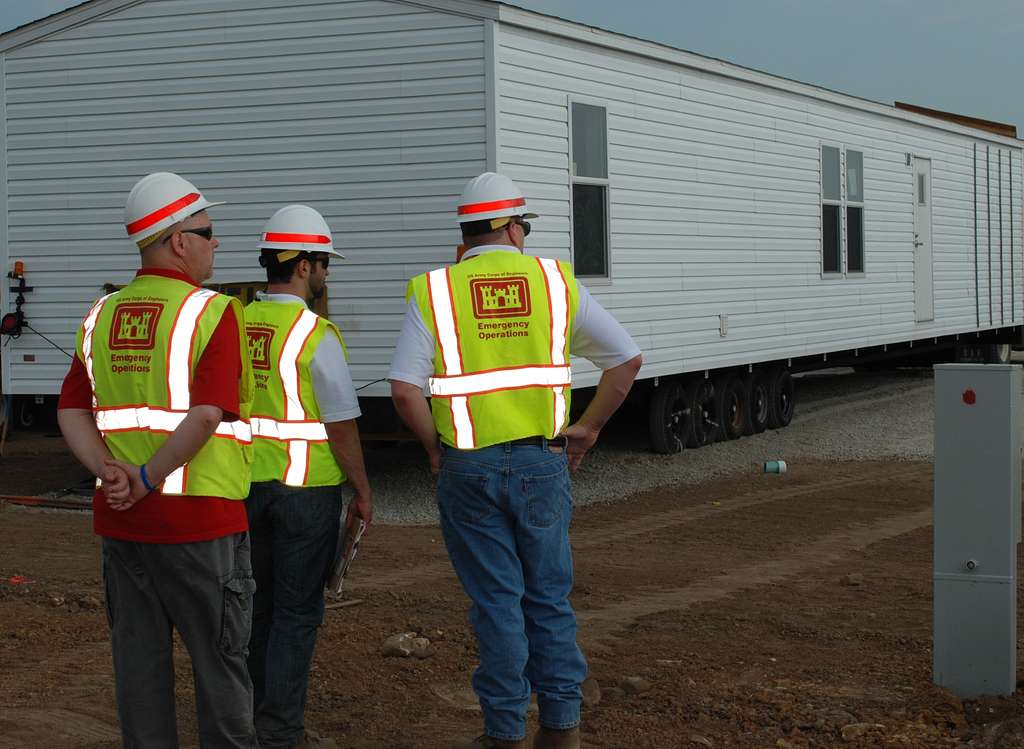
As industries expand into remote areas across the country—whether for oil, gas, mining, construction, or disaster recovery—the demand for safe, scalable, and reliable housing solutions has surged. In response to this growing need, the concept of man camps has evolved from a basic necessity into a strategic asset for workforce management.
Man camps are no longer rough, temporary shelters built solely to house workers. Today, they are engineered living environments designed to support productivity, morale, and safety for employees working far from urban centers. These developments are changing not only where people live during projects, but also how companies think about operational efficiency, employee retention, and long-term workforce infrastructure.

Meeting the Needs of a Mobile Workforce
The nature of the workforce has become increasingly mobile. Projects are often located in areas without permanent housing options, requiring employers to create their own solutions for staff accommodations. In sectors where operations are tied to the land—such as oil drilling in Texas, pipeline construction in North Dakota, or wildfire recovery in California—man camps provide an essential way to house employees on or near the job site.
These remote locations frequently lack the infrastructure to support hundreds or even thousands of workers, and hotels or rentals simply aren’t viable options in such areas. Man camps allow companies to deploy teams quickly without the logistical headaches of long commutes, inconsistent lodging, or overbooked accommodations in nearby towns.
Enhancing Efficiency and Reducing Downtime
One of the most significant advantages of man camps is the reduction in downtime and transportation costs. When workers live just minutes from their job site, the time lost in daily commutes disappears. Shift changes become more efficient, and crews are better rested and more productive.
Having employees on-site also allows for faster response to operational changes. If a job requires extended hours or additional hands on short notice, the workforce is already nearby. This agility helps companies keep projects on schedule and under budget, which is especially valuable when dealing with tight timelines or emergency response efforts.
Improving Worker Morale and Quality of Life
Modern man camps are designed with worker well-being in mind. Gone are the days of cramped bunkhouses with no amenities. Today’s accommodations may include private or semi-private rooms, climate control, high-speed internet, fitness centers, recreation areas, laundry facilities, and even on-site dining.
This level of comfort not only improves morale but also contributes to employee retention. Workers who feel cared for are more likely to stay on a job longer and return for future projects. Comfortable living conditions help reduce the stress and isolation that can accompany remote work, creating a more stable and satisfied workforce.
Addressing Safety and Health Standards
Health and safety are top priorities in any work environment, and man camps are no exception. Centralized housing allows companies to more easily implement and monitor safety protocols, including wellness checks, emergency response systems, and secure access control.
During events like the COVID-19 pandemic, having a controlled environment for workforce housing allowed companies to maintain social distancing guidelines, perform testing, and manage exposure more effectively. On-site medical staff or partnerships with local healthcare providers further enhance the ability to keep workers safe and healthy.
Customization to Match Industry Demands
Man camps are highly adaptable to the needs of different industries and projects. Whether a company needs housing for 50 people or 5,000, modular layouts can be scaled and configured accordingly.
Customizable units and facilities ensure that operations in vastly different climates and geographic regions can still meet company and employee expectations. For companies like Cotton Logistics and other similar ones, the ability to design, build, and manage turnkey housing solutions allows them to serve clients across a range of sectors. This level of expertise ensures that workforce housing is not only functional but tailored to specific project needs, regulatory environments, and industry standards.
Supporting Local Economies and Infrastructure
While man camps are designed to support remote projects, they can also benefit nearby communities. Workers may shop locally, eat at restaurants, or hire local services when they have free time. In some cases, companies build partnerships with towns and municipalities to share resources like water, waste services, or internet infrastructure.
Also, man camps can reduce the pressure on local housing markets. In small towns, a sudden influx of workers can drive up rental prices and overwhelm local accommodations. Temporary workforce housing helps prevent this by offering a dedicated solution that minimizes disruption to the local community.

The rise of man camps represents a shift in how companies approach workforce logistics. No longer seen as temporary solutions, they are now integral to the success of remote projects across industries. By offering efficient, customizable, and worker-friendly housing options, businesses can keep operations running smoothly while attracting and retaining top talent—even in the most challenging environments.




Leave a Reply