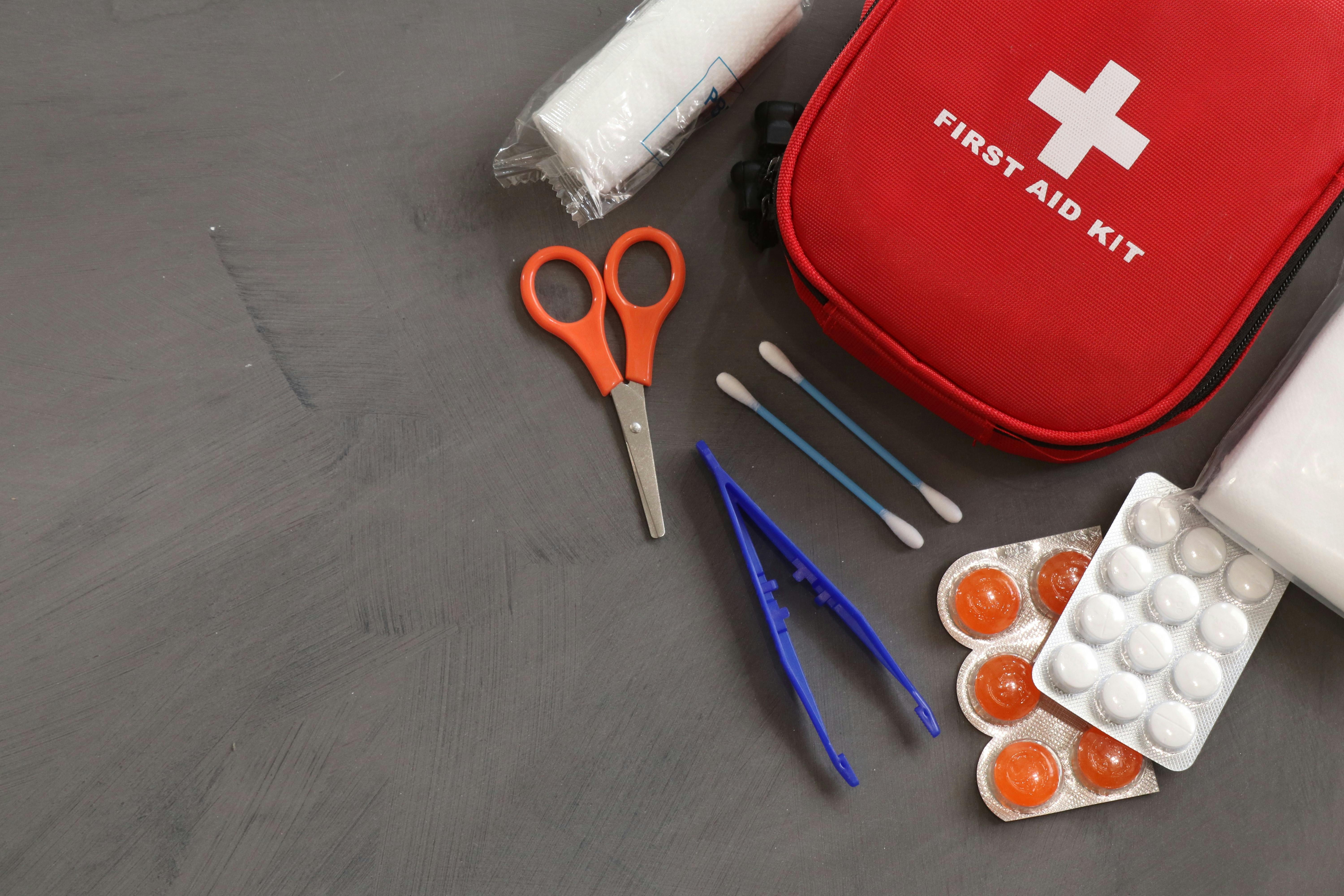
Parenting comes with its fair share of scraped knees, surprise fevers, and minor mishaps. From toddlers learning to run to teenagers active in sports, small injuries are part of growing up. While most incidents are minor, they often happen at inconvenient times—late at night or during weekends when pharmacies may be closed.
A properly stocked first aid cabinet helps you respond quickly and confidently. It reduces stress, saves time, and ensures you have the essentials ready when your child needs care. Here’s what every household with children should keep on hand.
Wound Care Must-Haves
Cuts and grazes are among the most common childhood injuries. Whether it’s a fall in the playground or a scrape from riding a bike, having the right supplies makes treatment straightforward.
Adhesive plasters (bandages)
Keep a range of sizes and shapes. Waterproof versions are helpful for active children, while sensitive-skin options reduce irritation.
Sterile gauze pads and dressings
For larger wounds that a plaster cannot fully cover, sterile gauze provides proper protection and absorption.
Microporous or medical tape
Useful for securing gauze or dressings in place without irritating the skin.
Antiseptic wipes or liquid solution
Cleaning a wound before dressing it is essential to prevent infection. Single-use wipes are convenient and hygienic.
Blunt-ended scissors
A small pair of rounded scissors is helpful for cutting tape, gauze, or clothing away from an injury safely.
Keeping these basics together in one clearly labelled container ensures you can act quickly when accidents happen. If you ever need to restock essentials like dressings, eye pads, or other first aid supplies, Mere Supplies’ range can help you top up the cabinet with the right kit for real-life bumps and scrapes.
Fever and Pain Relief Essentials
A sudden fever or toothache can quickly disrupt your child’s comfort. Having appropriate medication readily available makes managing symptoms much easier.
Child-friendly pain relievers
Liquid paracetamol or ibuprofen suitable for your child’s age group are standard items in most homes. Always follow dosage instructions carefully and check expiry dates regularly.
Digital thermometer
A reliable thermometer provides accurate readings, helping you decide whether home care is sufficient or if medical advice is needed. Ear, forehead, or oral digital thermometers all work well when used correctly.
Prescribed medications
If your child has specific medical needs—such as asthma, allergies, or chronic conditions—store prescribed medications clearly labelled and within easy reach. Make sure instructions are easy to understand for any caregiver.
Regularly reviewing your medicine cabinet ensures medications are in date and ready when required.
Allergy and Bite Treatment
Outdoor play, pets, and seasonal changes can trigger allergic reactions or insect bites. Having treatment options available can prevent minor issues from escalating.
Antihistamines
Available in syrup for younger children and tablet form for older ones, antihistamines help reduce swelling, itching, and mild allergic reactions. They are particularly useful during hay fever season or after insect stings.
Hydrocortisone cream
A mild hydrocortisone cream can ease inflammation and itching from bites, rashes, or skin irritation.
Calamine lotion
This soothing lotion helps relieve itchiness from insect bites, mild sunburn, or minor skin irritations.
Prompt treatment helps prevent excessive scratching, which can lead to broken skin and possible infection.
Practical Tools Every Cabinet Should Include
First aid is not only about medication. A few simple tools can make a significant difference when handling minor injuries.
Tweezers
Essential for removing splinters, thorns, or ticks safely.
Sterile saline solution or eye wash
Useful for rinsing dirt, sand, or dust from the eyes.
Disposable gloves
Help maintain hygiene when treating wounds.
Cold compress or instant ice pack
Effective for reducing swelling from bumps, bruises, or sprains.
First aid manual or quick reference guide
In stressful moments, it is easy to forget basic steps. A simple guide can provide reassurance and clear instructions.
Organising these tools together ensures they are easy to find when needed.
Smart Storage and Maintenance Tips
Having supplies is one thing—keeping them usable is another. A well-maintained medicine cabinet is just as important as its contents.
- Check expiry dates every three to six months. Replace outdated medications promptly.
- Store items in a cool, dry place away from direct sunlight.
- Keep medicines out of reach of young children while ensuring adults can access them quickly.
- Label everything clearly, especially prescription medications.
- Keep emergency numbers nearby, including your GP, local urgent care, and poison control.
Routine checks prevent unpleasant surprises during urgent situations.
When to Seek Medical Help
While a well-stocked cabinet prepares you for minor injuries, it is important to recognise when professional medical attention is required. Seek medical advice if:
- A fever persists or is unusually high.
- A wound is deep, heavily bleeding, or shows signs of infection.
- An allergic reaction involves breathing difficulties or facial swelling.
- A head injury results in confusion, vomiting, or drowsiness.
First aid supports immediate care, but it does not replace professional medical assessment when needed.
Preparedness Brings Peace of Mind
Building a comprehensive first aid cabinet does not require expensive equipment or medical training. It simply means gathering practical essentials and reviewing them regularly.
For parents and carers, preparation provides reassurance. Instead of scrambling during a late-night fever or unexpected fall, you can respond calmly and effectively. A small amount of organisation today can make a significant difference when your family needs comfort and care most.
A well-stocked first aid cabinet is more than a convenience—it is an essential part of keeping your household safe and ready for everyday challenges.



Leave a Reply