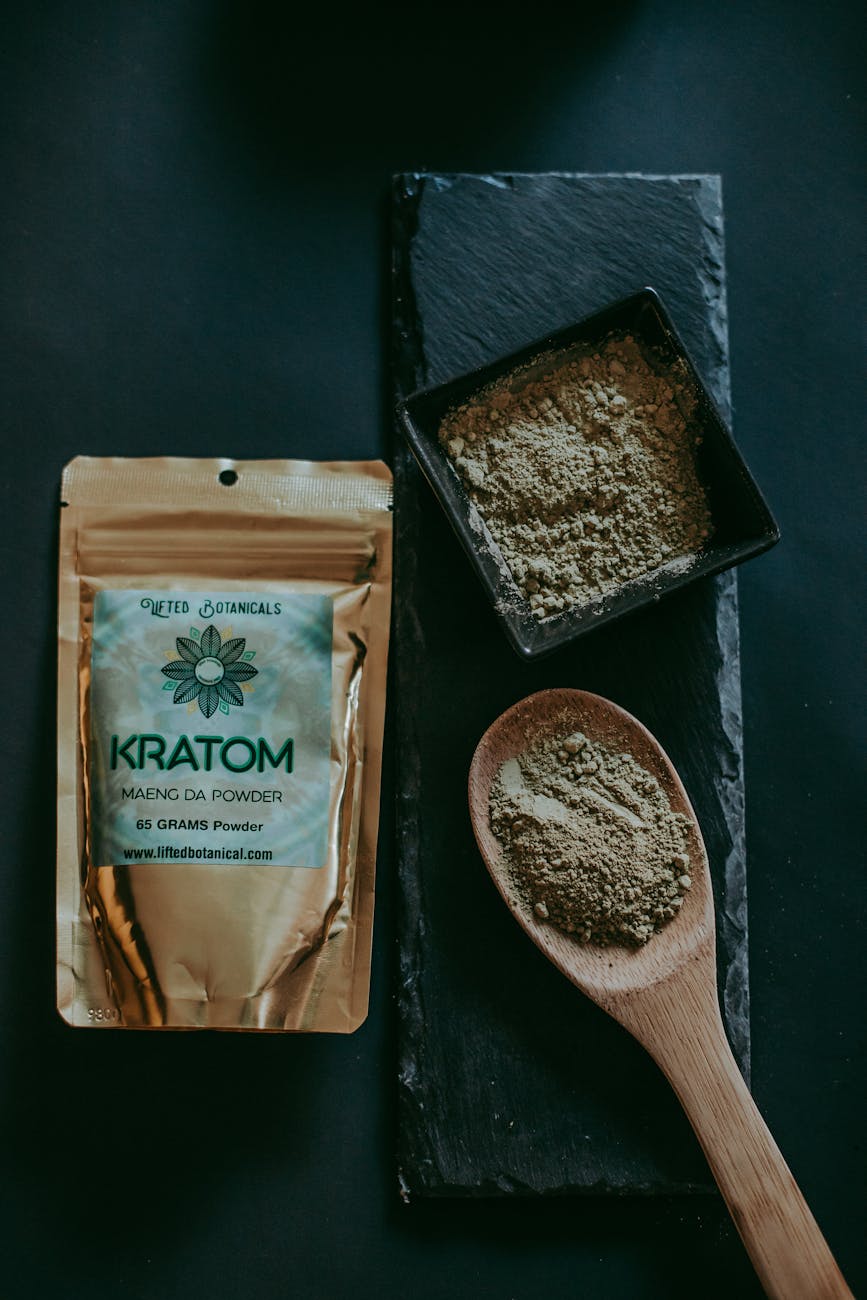
If you’ve heard the buzz around kratom for pain relief, you’re not alone. But sorting through the hype, jargon, and conflicting advice can be frustrating—especially when your body hurts and you just want something that works. This guide skips the fluff and gives you a grounded, practical take on how to approach kratom for pain management without wasting time, money, or risking your health.
You’ll learn what matters, what’s often exaggerated, and how to actually figure out what works for your body—because pain isn’t one-size-fits-all, and neither is kratom.
Step One: Understand What Kratom Actually Does
Kratom is a tropical plant that acts on opioid receptors in your brain—but that doesn’t mean it’s identical to prescription painkillers. It can dull pain, relax muscles, and give a boost of energy or calm depending on the strain and dose. It’s subtle, not magic. And it’s something your body will respond to differently over time.
Unlike pharmaceutical opioids, kratom often provides mental clarity along with pain relief, which is one reason some people prefer it. But if you take too much, it can backfire—causing nausea, grogginess, or even dependence if misused over long periods.
So before you even pick a strain, make this clear to yourself: kratom should be a tool, not a crutch.
Step Two: Know the Three Basic Strain Colors and What They Do
Most kratom products fall into three main categories based on the vein color of the leaf:
- Red Vein
Known for its calming and sedative effects. Best for deep, achy pain, nerve irritation, or end-of-day relief. It’s not ideal if you need to be active or focused, but it’s great for rest and sleep. - Green Vein
Balanced. Offers moderate pain relief with a bit of energy and mood lift. Good for daytime use if you’re dealing with soreness or inflammation but still need to function at work or with family. - White Vein
Energizing. Not ideal for sharp or severe pain but might take the edge off milder discomfort. Best if fatigue is your bigger issue and you want light relief without being knocked out.
Think of red as your couch strain, green as your get-through-the-day strain, and white as your get-up-and-move strain.
Step Three: Match the Strain to the Type of Pain
Not all pain is the same, and that matters when choosing a strain.
- Muscle pain or soreness: Go for green in the morning, red at night. Green strains like Green Malay or Green Borneo help with tension while keeping you alert. Red Bali or Red Maeng Da can smooth out discomfort as you wind down.
- Nerve pain or inflammation: Red strains tend to be the most effective here, especially ones with strong relaxing effects. Red Thai or Red Borneo are popular for these symptoms.
- Headaches or tension pain: Greens work best here. Reds might make you too foggy. White can sometimes help if your headache is from fatigue, but be careful—it can overstimulate and make it worse.
- Joint pain or arthritis: A green-red mix may work best. Try blending equal parts of each or rotating between them.
The takeaway? Try to match your kratom like you’d match shoes to terrain—pick what fits, not just what’s trending.
Step Four: Start Low, Go Slow—Then Dial It In
Dosing is where most people mess up. Too little and you feel nothing. Too much and you’re groggy, nauseated, or worse. The sweet spot depends on your body weight, metabolism, pain level, and strain strength.
Start with 1 to 2 grams of powder or capsules and wait 45 minutes. If you don’t feel much, add another 0.5 to 1 gram. Never jump to 4 or 5 grams right away. That’s like trying to fix a leaky faucet with a fire hose.
Once you know what your number is, stick to it and give your body rest days. Kratom can be powerful—but it works better long-term if you don’t chase bigger doses to get the same effect.
Step Five: Know Your Source and Check the Lab Tests
Not all kratom is created equal. Some brands are weak. Others are contaminated. If you’re not buying from a vendor who shows lab testing for purity and alkaloid content, you’re gambling with your health.
Look for:
- Clean third-party lab results
- Clear descriptions of where the kratom is sourced
- Consistency in product batches
Also, try to avoid buying from sketchy marketplaces or gas stations. Quality matters more than branding, and price should never be your only guide.
Step Six: Track Your Results Over Time
Your pain will change. So will your body’s response to kratom. That’s why it’s smart to keep a basic log—nothing fancy, just a note of what strain you took, how much, and how you felt afterward.
Over a few weeks, you’ll start to see patterns:
- Which strains actually help
- How longdoes relief last
- What side effects (if any) pop up
- Whether you need a tolerance break
This log becomes your personal blueprint—and it’ll save you from wasting money or chasing effects that no longer serve you.
Final Thought
Kratom can absolutely be a part of your pain management toolkit—but only if you treat it with respect. Don’t expect miracles. Don’t ignore red flags. And don’t try to copy someone else’s routine. Your body is the final authority here.
Choose your strain like you’d choose a pair of running shoes—based on fit, purpose, and comfort—not the label or hype. With patience and a little observation, you can find a balance between relief and clarity that actually works for the long haul. Finally, if you are wondering what is the best kratom for pain, check out the following article!




Leave a Reply