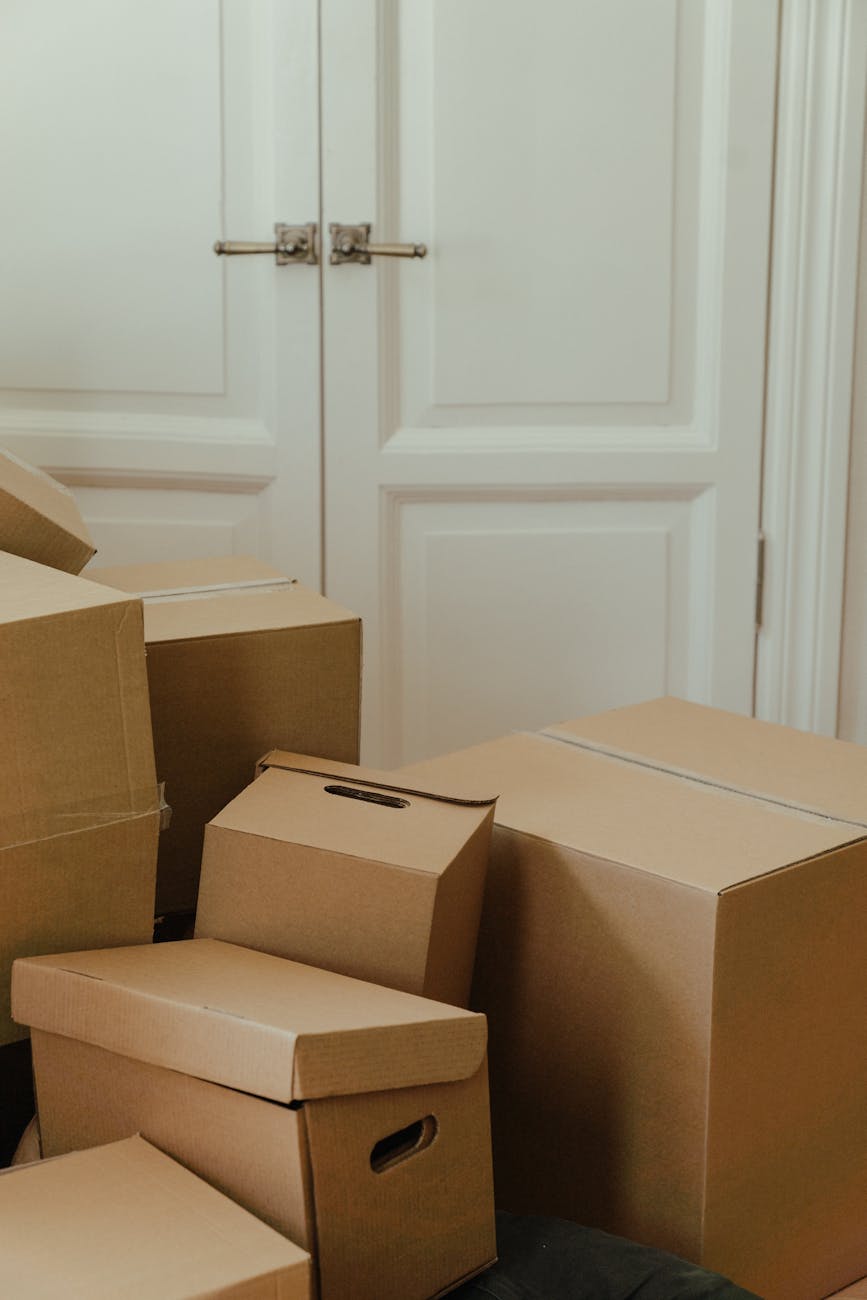
At a glance, packing might seem like the simplest part of moving. Put items in boxes, seal them up, stack them on a truck, and go. But ask any experienced mover, and they’ll tell you: packing is part art, part science—and getting it wrong can cost you time, money, and even a few broken valuables.
Understanding how box size, weight distribution, and spatial placement affect a move isn’t just about staying organized. It’s about maximizing space, protecting your belongings, and making life easier on the day when everything’s in motion.
Whether you’re handling the move yourself or working with local movers, the way you pack plays a critical role in how smoothly things go. Clockwork Moving Company has worked with countless customers to overcome the hidden hurdles of inefficient packing—and the lessons learned from those experiences apply to every move, big or small.
Let’s take a look at how the science behind smart packing can completely change your relocation experience.
Why Size Matters More Than You Think
Choosing the right box isn’t just about what fits inside—it’s about how well that box performs during transport.
Small Boxes (1.5 cu. ft.)
Ideal for heavy, dense items: books, canned goods, tools, or dishware. The smaller dimensions prevent overloading and reduce the risk of box collapse or injury.
Medium Boxes (3.0 cu. ft.)
Your versatile workhorse. Use these for shoes, kitchen items, toys, small appliances, or bundled clothing. Not too heavy, not too bulky.
Large Boxes (4.5–6.0 cu. ft.)
Best for lightweight but bulky items: pillows, bedding, lampshades, or large soft toys. Avoid packing heavy items here—it’s a common mistake that leads to strained backs and torn cardboard.
Specialty Boxes
Wardrobe boxes, dish barrels, and TV boxes are designed for specific needs. These options aren’t just convenient—they offer structural support and shape protection that regular boxes can’t match.
A well-packed moving truck depends on box predictability. Uniformity in size allows boxes to be stacked efficiently, like puzzle pieces. Mixed sizes and overstuffed containers create gaps and instability.
The Weight Equation: It’s Not Just About What You Can Carry
When packing, it’s easy to underestimate how heavy a box becomes once it’s filled. Just because you can lift it doesn’t mean it should be that heavy.
Why it matters:
- Safety: Overloaded boxes are one of the leading causes of injury during a move. A box packed with books that weighs 70 pounds might hold up, but your back might not.
- Structural Integrity: Cardboard boxes have weight limits. Exceeding them causes the bottom to give out or crushes what’s beneath during stacking.
- Efficiency: Professional movers or rental crews often estimate time based on how quickly items can be loaded and stacked. Heavier boxes slow down the process.
The general guideline? No box should exceed 50 pounds, unless it’s a reinforced container specifically rated for more. Heavier items always go in smaller boxes. This keeps loads manageable and stable.
Load Placement: The Physics of a Moving Truck
Once packed, your boxes enter the second phase of the packing equation: load placement. And here’s where physics steps in.
Think of a moving truck like a giant mobile Jenga tower. Each box influences the balance and weight distribution of the entire load.
- Heaviest items go on the bottom. Always. This forms a stable foundation and prevents shifting.
- Lightest and most fragile items stay on top or are set aside in a protected area.
- Weight should be evenly distributed between the left and right sides of the truck to prevent tilting during transit.
Moving professionals often build rows from back to front, locking items into place row by row. This tight packing method minimizes space waste and limits movement inside the truck.
It’s also common to tie down certain rows or use soft goods—like cushions or bags of clothing—as buffers between fragile items and hard edges.
Air Space is the Enemy
A common rookie mistake is leaving air space inside boxes. If your contents shift, they’re more likely to break—and they make stacking less stable.
Fill every box to the top. Use padding like crumpled paper, towels, or clothes to eliminate empty space. When sealed, boxes should hold their shape without caving inward.
If a box sounds like a maraca when you lift it, it’s not packed correctly.
Labeling: Not Just for Organization—But For Safety
Smart labeling is about more than knowing where your blender is when you arrive.
- Use “FRAGILE” where needed—but sparingly. Movers take these boxes more seriously when it’s clear the label is used intentionally.
- Add “HEAVY” warnings if a box exceeds 40–50 pounds.
- Note which room the box belongs to. This helps during unloading and reduces the need to re-handle items.
Use dark markers, large writing, and label two sides and the top. That way, your label is visible no matter how the box is placed.
Packing Strategy = Cost Strategy
What most people don’t realize is that efficient packing can directly affect your moving cost.
Here’s how:
- Less time spent loading and unloading = fewer paid labor hours.
- Fewer damaged items = no need for replacements or claims.
- Maximized truck space = potentially smaller or fewer vehicles needed.
Even if you’re using a moving company, how you pack influences how efficiently the crew can operate. And if you’re doing a DIY move, efficient loading means fewer trips—saving gas, time, and stress.
When to Call in the Pros
Some situations call for more than just good packing habits. If you’re moving specialty items—like a grand piano, artwork, or commercial equipment—consider working with experienced movers such as piano mover houston tx who understand the science and strategy behind custom packing and load balancing.
Local movers who know your city’s layout, elevation, and street access issues are even better equipped to plan the most stable, efficient load. Clockwork Moving Company, for example, helps coordinate packing and placement techniques that minimize risk, particularly in tight urban environments where turns, inclines, or parking challenges can shift cargo mid-ride.
Final Thought: Every Box Counts
Packing isn’t just about getting your stuff from one place to another—it’s about how you get it there. A well-packed move isn’t just neater—it’s faster, safer, and more cost-effective.
Think of every box as a building block in a larger system. By choosing the right size, managing weight, filling gaps, and placing strategically, you create a move that flows—not one that fights back.
And when you align your packing strategy with the skills of professional local movers, your relocation becomes less about stress—and more about progress.




Leave a Reply