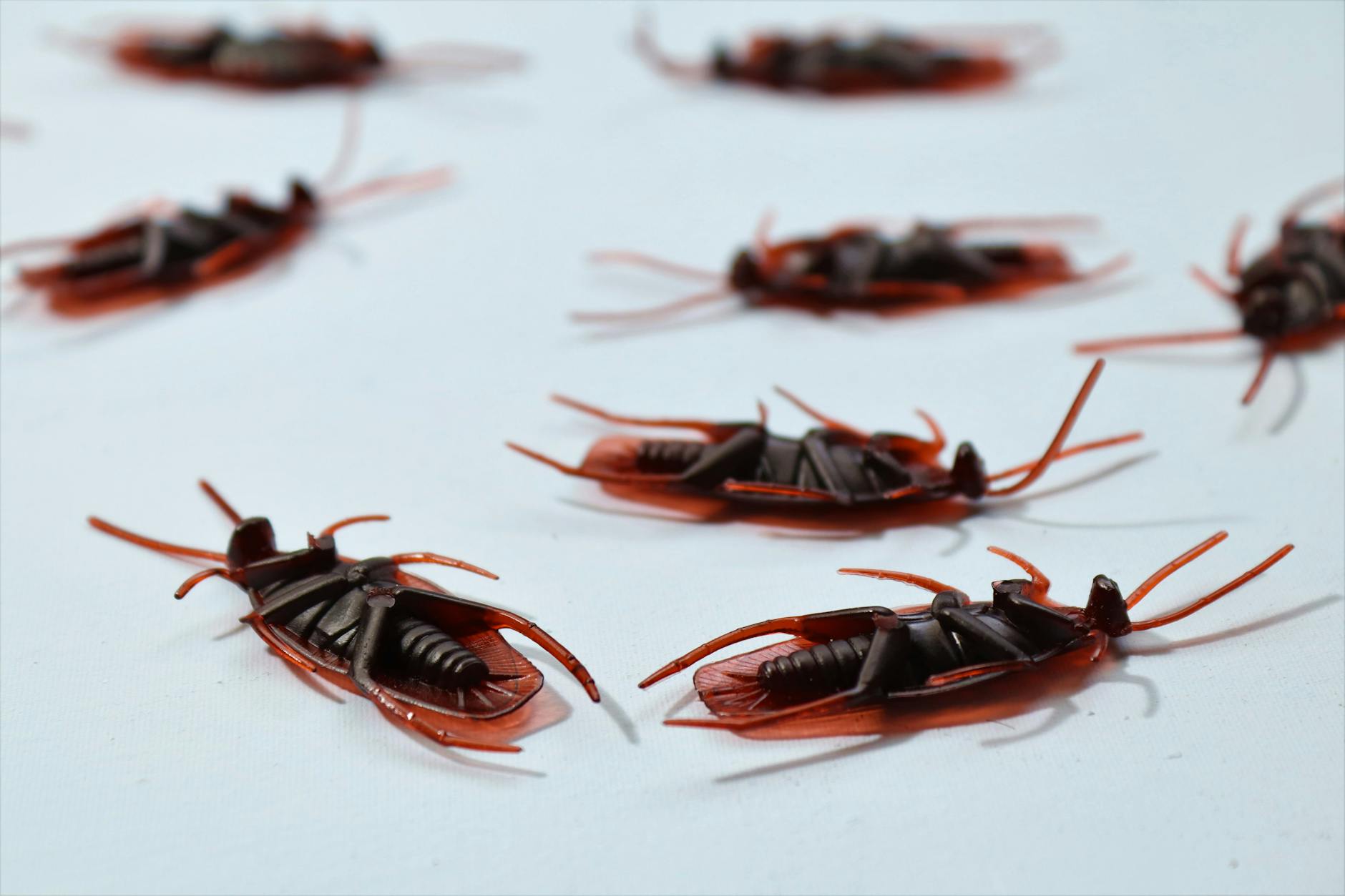
The pest control aisle at your local hardware store is well-stocked. Traps, sprays, powders, baits—all promising fast, effective relief. You grab a couple of cans, follow the directions, and feel that satisfying sense of control. The ants are gone. The roaches disappear. Problem solved… right?
Not exactly.
DIY pest control often gives homeowners a sense of confidence that doesn’t match the reality of what’s happening behind the walls, beneath the floors, or above the ceiling. While it may handle what you can see, it rarely addresses the root of the problem—or the hidden risks you didn’t know existed.
Let’s separate the myths from the facts and unpack the truth behind over-the-counter pest solutions.
Myth #1: “If I Can’t See Pests, They’re Gone”
Reality: Most infestations start—or continue—where you can’t see them.
Surface-level treatments may knock down visible pests, but infestations rarely occur in plain sight. Ants may vanish from countertops but still nest behind walls. Cockroaches might scatter when sprayed, only to regroup beneath appliances. And bed bugs? They often remain hidden in mattress seams, outlets, or inside box springs.
DIY sprays and foggers might create temporary disruption, but they don’t penetrate walls, crawlspaces, or voids where pests are nesting and reproducing. Without targeting those hidden zones, the infestation continues—and often grows.
Myth #2: “Store-Bought Products Work Just as Well”
Reality: DIY products are not the same as commercial-grade treatments.
The formulations available in stores are made for general consumer use—meaning they’re designed to be safe, easy to use, and broad-spectrum. But that also means they’re often less potent and shorter-lasting than professional-grade solutions.
This is especially true for more resilient pests. Termite control, for instance, requires treatments that reach soil-level colonies and wood-burrowing insects. Most consumer products can’t do that. Similarly, over-the-counter bed bugs exterminator sprays may irritate bugs or drive them deeper into hiding without eliminating eggs or larvae.
Pest control companies use targeted treatments with residual effects that continue working over time. Without access to these, DIY efforts fall short—especially for deeply embedded infestations.
Myth #3: “More Spray Means Better Results”
Reality: Overuse of pesticides can make the problem worse—or more dangerous.
There’s a common misconception that increasing the amount of product will improve results. But using too much pesticide in a confined space can harm indoor air quality, impact pets or children, and even cause certain pests to spread further.
In some cases, repeated exposure to the same active ingredients can lead to pesticide resistance. Cockroaches and bed bugs are notorious for developing immunity to overused DIY chemicals, making them even harder to treat later.
Professional pest control in Little Silver emphasizes precision, not volume. The goal is to target specific pests in specific areas using the correct dose—something DIY treatments often overlook.
Myth #4: “DIY Saves Money in the Long Run”
Reality: Repeated DIY failures often lead to higher costs and larger infestations.
At first glance, a $12 can of spray seems like a great deal compared to a professional visit. But when that can doesn’t eliminate the infestation—and you need to buy two more—costs begin to add up.
Meanwhile, pests continue to reproduce, spread, and damage your property. Termites, for example, can cause thousands of dollars in structural repairs if caught late. Rodents chew through insulation, wiring, and HVAC systems—posing both safety and financial risks.
By the time a professional is called, the job becomes more complex and expensive than it would have been with early intervention.
Myth #5: “All Pests Are Basically the Same”
Reality: Each pest species requires a unique treatment strategy.
One-size-fits-all sprays might work for certain surface pests like ants or flies, but many others require specialized methods. Termite control, for instance, may involve soil treatment, bait systems, or structural repairs—none of which are achievable with a general aerosol product.
Bed bugs need treatments that include mattress encasements, heat application, and repeat inspections. Rodents require exclusion work, trap placement, and nesting zone identification. Even ants can require different solutions depending on the species—what works for sugar ants may not work for carpenter ants.
Pest control isn’t just about spraying—it’s about identifying species, understanding their behavior, and designing a tailored plan.
Myth #6: “I’ll Just Handle It Myself and Call Later If It Gets Bad”
Reality: Waiting often turns a manageable issue into a full-blown infestation.
Delaying professional pest control doesn’t just give pests time to reproduce—it gives them time to establish satellite nests, contaminate food supplies, and damage your home’s structure.
By the time most homeowners call in help, it’s not because of a few ants or roaches—it’s because the problem has spiraled. That’s when treatment becomes more invasive, more expensive, and more disruptive.
Companies like Agile Pest Control often encounter cases where early professional treatment could have prevented months of frustration, escalating costs, and deeper infestation.
When DIY Can Work—And When It Can’t
DIY pest control can be useful for short-term or surface-level issues. Examples include:
- Spot-treating a visible trail of ants
- Knocking down a wasp nest with caution
- Preventively spraying window and door frames
- Vacuuming visible bed bugs during early detection
However, DIY is not a solution for:
- Recurring infestations
- Structural damage from pests
- Signs of nesting in walls or ceilings
- Infestations involving multiple rooms or units
- Issues involving termites, rodents, or bed bugs
In these cases, calling a professional isn’t a luxury—it’s a necessity.
Final Word: Know the Limits
DIY pest control gives the illusion of control—but often masks the deeper problems hiding in plain sight. Over-the-counter products may offer convenience, but they don’t match the precision, depth, or long-term impact of professional solutions.
For homeowners facing persistent pest problems—or those dealing with species that are hard to eliminate—professional support can mean the difference between relief and repeated frustration.
Agile Pest Control understands the temptation to handle pests on your own. But when infestations dig deep or spread wide, it takes more than a spray bottle to win the battle. Smart prevention and strategic intervention go further than surface-level fixes ever could.
Don’t wait for pests to prove your DIY plan isn’t enough. Know when to step back—and bring in the experts who know what those sprays won’t tell you.




Leave a Reply