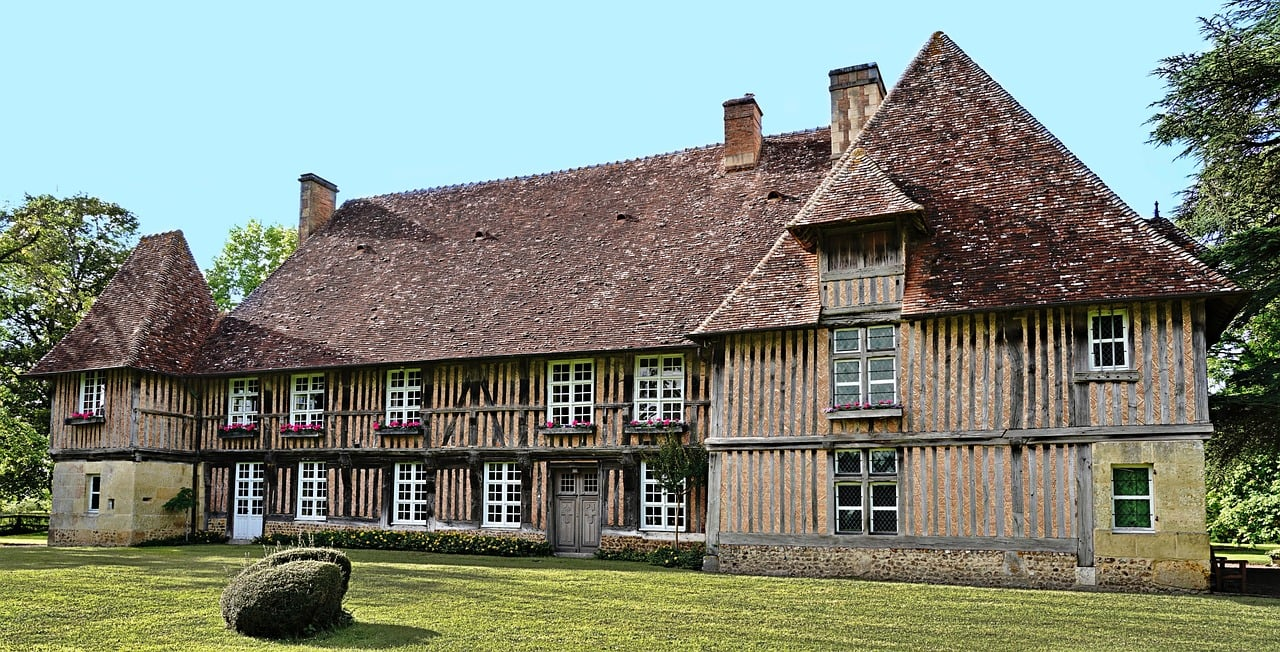
Choosing the right roofing materials and styles can significantly affect your home’s overall environment and energy efficiency. Roofing plays a crucial role beyond mere aesthetics; it has practical implications for comfort, sustainability, and financial savings. For homeowners, making informed roofing decisions can lead to a healthier and more enjoyable living space.
Every roofing choice impacts factors like insulation, energy consumption, and resistance to weather elements, creating an essential link between the roof over your head and the well-being of your home.

Understanding Roofing Materials
Selecting the proper roofing materials is the foundation for a successful roofing project. Each material comes with its benefits, drawbacks, and costs that cater to different needs. For instance, asphalt shingles are widely used and relatively affordable, offering a decent balance of durability and aesthetics. However, they may not be the best when it comes to energy efficiency. Metal roofing has gained popularity due to its longevity and reflective properties, which can help keep homes cooler in warm climates.
They are recyclable, contributing positively to sustainability efforts. Tile and slate roofs provide stunning visual appeal and longevity, but are often more expensive and heavier, which requires additional structural support. Consider the climate in your area when selecting materials; specific options may perform better in certain weather conditions.
When choosing materials, look to balance your budget with the expected lifespan and maintenance needs. Take time and read more on local roofing experts to see who can provide insights tailored to your location and home structure. Their expertise can guide you toward the best material for your circumstances, contributing substantially to your living environment.
Weather patterns in your area, such as heavy snowfall or intense sun, can impact how different materials perform over time. A knowledgeable roofer can help you weigh these environmental factors against aesthetic preferences and cost. Making an informed decision at the start can reduce future expenses and improve your home’s long-term durability.
Energy Efficiency and Insulation
Energy efficiency is a pressing concern for many homeowners, with rising utility bills being a cause for anxiety. The roof acts as an insulating barrier, and the choice of roofing materials directly influences how well it can retain heat during winter and cool air in summer. Proper insulation minimizes the workload on heating and cooling systems, leading to lower energy costs. Reflective coatings and specific types of shingles are designed to reflect sunlight, reducing heat retention.
This feature is vital in warmer regions, where homes can easily become uncomfortably hot without adequate roofing. Selecting roofing materials that offer this benefit not only enhances your comfort but also mitigates environmental impact by reducing energy consumption. Beyond the roof itself, consider other aspects of your home’s thermal performance. Attic ventilation systems can significantly reduce heat build-up, making your roofing choices even more effective at maintaining your home environment.
Weather Resistance and Longevity
Maintaining the structural integrity of your home is critical, especially when living in areas prone to extreme weather events. Choosing roofing materials that withstand harsh conditions will enhance your home’s resilience.
Metal roofs are durable against heavy rainfall and high winds, making them suitable for storm-prone areas. The longevity of roofing materials also plays a role in environmental impact. Investing in durable roofing can reduce the frequency of replacements and the waste associated with discarding old materials. In contrast, lower-grade options might require replacement every ten years, leading to increased costs and environmental strain over time.
Homeowners should research the average lifespan of their chosen materials and ensure they align with expectations regarding maintenance and replacement costs. This strategic planning can prevent unexpected expenses in the future, allowing for a more sustainable approach to home ownership.

Influence on Home Value
Your roof significantly impacts your home’s curb appeal and overall value. Prospective buyers often consider the condition and quality of the roofing when determining offers. A well-maintained, high-quality roof can attract buyers and yield a positive return on investment. Conversely, undependable roofs may deter interest and lower market value.
Investing in high-quality materials can offer better returns if you plan to sell. Residential property owners should view roofing as a key aspect of their property’s value proposition, emphasizing quality and maintenance as selling points to enhance buyer interest. Innovations in roofing materials may further contribute to property value. Green roofing solutions and sustainable practices are gaining traction, appealing to environmentally conscious buyers.
Making informed roofing decisions is crucial for every homeowner. These choices directly influence energy efficiency, weather resistance, and overall property value. Understanding the nuances of roofing materials and their benefits can lead to a significant positive impact on your home environment. With meticulous planning and thoughtful decision-making, you can create a comfortable, efficient, and sustainable living space.




Leave a Reply