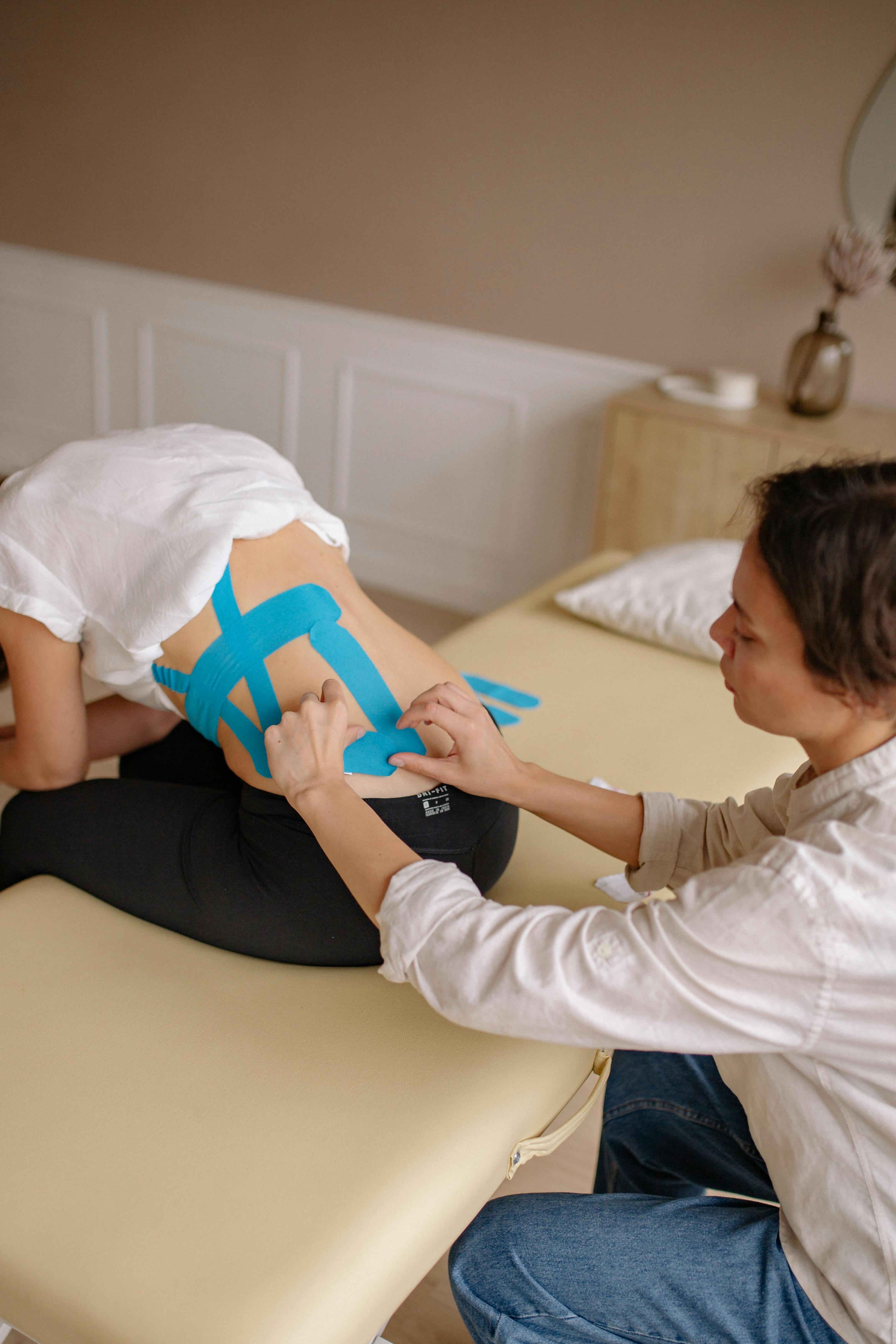
Recovering from an injury—whether from a vehicle crash, workplace incident, fall, or sudden accident—can impact nearly every part of life. Physical pain, emotional stress, and unexpected disruptions often arrive all at once, making the process feel confusing and overwhelming. While each person’s recovery path is unique, most injuries follow a predictable set of stages. Knowing what these phases look like can help you stay informed, reduce fear, and play an active role in your healing.
Below is a clear, reorganized breakdown of what typically happens as your body and daily life adapt after an injury.
Stage 1: The Body’s First Reaction to Injury
Immediately after an injury, the body enters its protective inflammatory phase. This initial stage generally lasts a few days and is marked by swelling, heat, tenderness, and restricted movement. While these symptoms are uncomfortable, they signal the immune system is working to stabilize and protect the damaged area.
Key responses during this phase include:
- White blood cells clearing debris
- Blood flow increasing to support early repairs
- Tissue swelling to cushion the injured area
Managing inflammation can speed recovery. Rest, ice, compression, elevation, and following early medical instructions all help reduce excessive swelling and discomfort.
If the injury comes from a serious event—such as a motor vehicle crash or workplace accident—seeking immediate medical attention is essential. Prompt evaluation also ensures accurate documentation, which may matter later if legal or insurance claims arise.
Stage 2: Diagnosis and Initial Treatment Planning
Once the immediate pain and shock subside, doctors shift focus to understanding the severity and scope of the injury. This diagnostic stage may involve:
- Physical examinations
- X-rays, MRIs, or CT scans
- Neurological or mobility assessments
Treatment during this early phase may include:
- Immobilization using braces, slings, or casts
- Medications for pain or inflammation
- Possible surgical intervention
- Clear home-care instructions
- Temporary limits on work or activity
At this time, many individuals also begin dealing with insurance paperwork, missed workdays, and financial concerns. If the injury occurred due to negligence, speaking with a personal injury attorney—such as Lipton Law or another trusted firm—can help protect your rights and ensure you receive fair compensation for medical expenses, lost income, and other damages.
Stage 3: Tissue Repair and Guided Rehabilitation
As inflammation decreases, the body moves into the proliferation stage, which typically lasts several weeks. During this time, new cells and connective tissue begin repairing damaged structures. Pain and swelling usually lessen, but weakness and stiffness may remain.
Rehabilitation is essential in this phase and may include:
- Physical therapy sessions
- Stretching and mobility exercises
- Light strength training
- Guidance on gradually increasing activity
Even if you start to feel better, it’s important not to skip therapy or overexert yourself. Returning to full activity too soon increases the risk of reinjury or long-term complications.
Emotional health is also a key part of this phase. Uncertainty, frustration, or slow progress may take a toll. Counseling, support groups, or stress-management strategies can help keep you grounded and focused on long-term healing.
Stage 4: Building Strength and Adapting for the Long Term
The remodeling—or maturation—stage is the final physical phase of healing and can last several months. During this period:
- Newly formed tissue becomes stronger and more flexible
- Rehabilitation exercises intensify
- Activities become more functional and tailored to everyday needs
Your recovery plan may now include:
- Strength training
- Balance and coordination exercises
- Flexibility work
- Task-specific conditioning based on your job, lifestyle, or sport
Some individuals eventually regain full strength and mobility, while others adapt to lasting changes in physical function. Working closely with medical professionals and therapists helps you build a sustainable plan for long-term wellness.
Legal and Financial Recovery Alongside Physical Healing
When an injury is the result of someone else’s negligence—such as distracted driving, unsafe property conditions, or employer oversight—the legal side of recovery becomes just as crucial as the medical side. You already have an insurance and workers compensation fight on your hands, and you still may have to deal with injury lawyer queries as you try to get through a compensation case, too. There’s lots to do while you’re recovering and understanding the steps will help.
A personal injury lawyer can assist by:
- Collecting evidence
- Handling communication with insurance companies
- Calculating total damages, including medical bills and lost wages
- Negotiating a settlement or representing you in court
Time limits for filing claims vary by state, so acting quickly is important. An experienced attorney ensures your rights are protected throughout your recovery.
Stage 5: Returning to Daily Routines and Responsibilities
As your strength improves and your confidence returns, you’ll begin transitioning back to normal activities. This stage brings both relief and new challenges, such as:
- Resuming work with modified duties or reduced hours
- Rebuilding confidence in driving, lifting, or physical tasks
- Managing fatigue or occasional discomfort
- Relearning or adjusting household responsibilities
Communication is crucial. Keeping your employer, family members, and healthcare providers informed of your abilities and limitations helps reduce stress and prevents setbacks.
Recovery is not only physical—it also involves rebuilding routines, restoring independence, and gradually returning to your everyday life with confidence.
Healing as a Whole: A Comprehensive Journey
Recovering from an injury requires far more than simply waiting for the body to repair itself. It demands patience, consistency, emotional resilience, and sometimes legal support. Understanding the phases of healing gives you realistic expectations and helps you stay proactive throughout your journey.
Every person heals at their own pace. Whether your injury is minor or life-changing, having the right knowledge—and the right team on your side—can make the path to recovery smoother, safer, and more empowering.




Leave a Reply