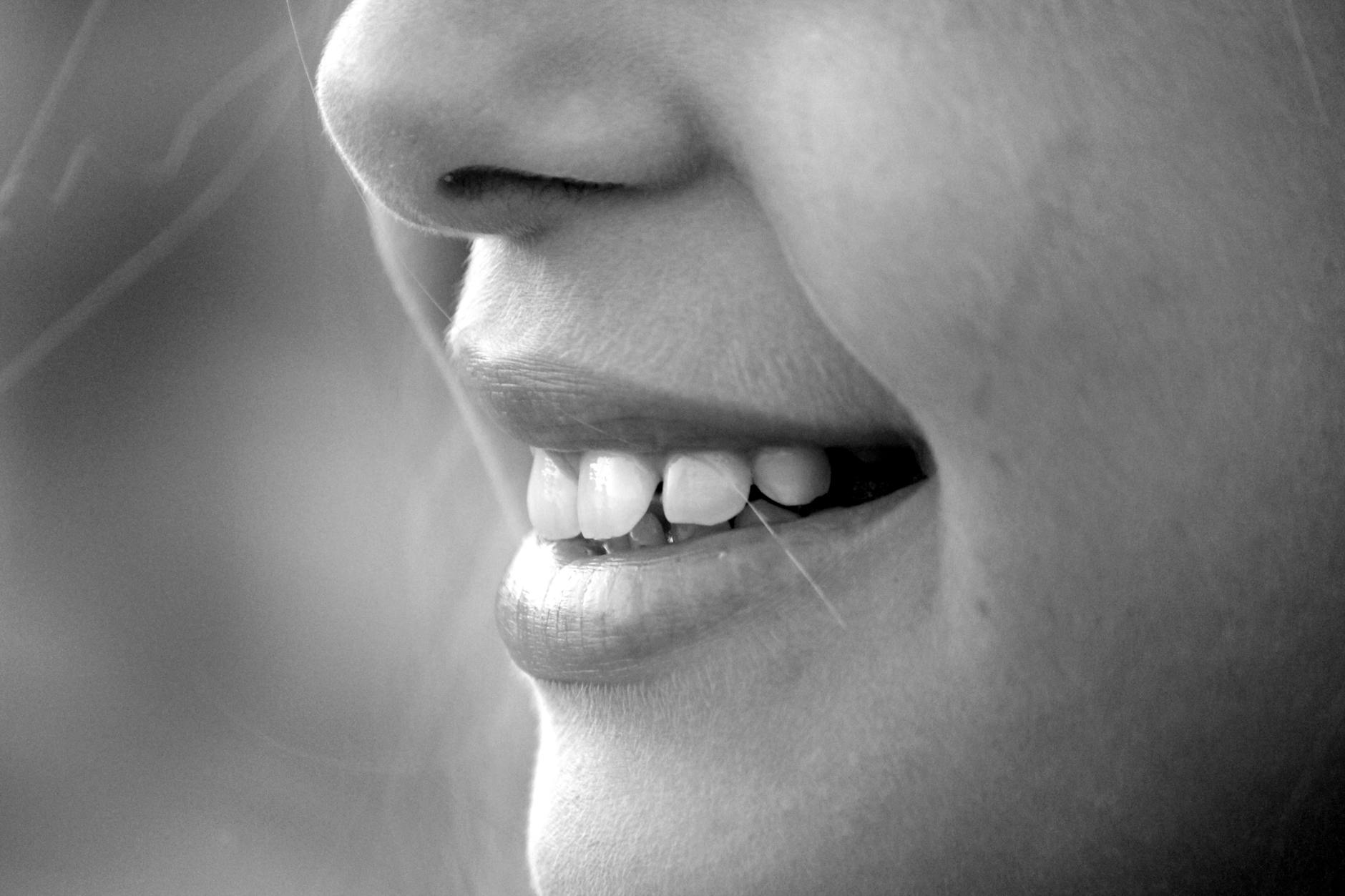
Losing a tooth isn’t just a cosmetic issue. Every tooth is vital for your oral health, helping with chewing, speaking, and supporting your facial structure. But what happens if you don’t replace it? The effects go beyond just a gap in your smile. This post covers the immediate, long-term, and psychological impacts of tooth loss, along with solutions to restore your oral health.
Understanding Tooth Loss
Common Causes of Tooth Loss
Tooth loss doesn’t just occur from a severe accident or injury. There are many ways adults can lose teeth, including:
- Severe Tooth Decay: Cavities that aren’t treated can lead to infections or weakened teeth, eventually requiring extraction.
- Gum Disease: Periodontal disease is one of the leading causes of tooth loss as it damages the supportive tissues and bone around the teeth.
- Trauma or Injury: Sports injuries, falls, or accidents can result in teeth being knocked out or damaged beyond repair.
- Poor Oral Hygiene: Skipping regular brushing, flossing, and dental checkups can accelerate decay and gum disease.
Prevalence of Tooth Loss in Adults
Tooth loss is more common than you might think. According to the American College of Prosthodontists, about 120 million Americans are missing at least one tooth, and over 36 million have no natural teeth left. While tooth loss might seem inevitable for some, its consequences can be significant if not addressed.
Immediate Effects of Not Replacing a Lost Tooth
When a tooth is lost, the effects are not just limited to the gap left behind. Here’s what can happen shortly after losing a tooth:
Shifting of Adjacent Teeth
Teeth are like puzzle pieces arranged in a structured manner within your jaw. Once one piece is removed, the balance is disrupted. Adjacent teeth may begin to shift into the empty space, leading to crooked teeth and misalignment.
Impact on Bite and Chewing Efficiency
Missing even one tooth can compromise your ability to bite and chew effectively. This might force you to rely on other teeth disproportionately, causing uneven wear or stress.
Potential for TMJ Disorders
An unbalanced bite due to missing teeth can increase the risk of developing temporomandibular joint (TMJ) disorders. TMJ issues often lead to symptoms like jaw pain, headaches, and even difficulty opening or closing your mouth properly.
Long-Term Consequences
Failing to replace a lost tooth doesn’t just affect short-term functionality; it can have serious long-term implications for your overall oral health and appearance.
Bone Loss in the Jaw
A tooth’s root stimulates the jawbone, keeping it healthy and strong. When a tooth is lost, this stimulation stops, leading to gradual bone loss. Over time, the affected area can shrink, weakening the structural integrity of the jaw. For example, this is a common problem seen in patients who have delayed getting dental implants.
Changes in Facial Structure
Bone loss in the jaw due to missing teeth can cause changes in your facial structure. Cheeks may begin to sag, resulting in an aged or sunken appearance. This is why tooth replacement is important, not just for oral health but also for maintaining facial aesthetics.
Increased Risk of Gum Disease and Further Tooth Loss
The gap left by a lost tooth creates a breeding ground for bacteria, increasing the risk of gum infections and diseases. Additionally, the weakening of surrounding teeth due to added stress can result in further tooth loss over time.
Psychological and Social Impact
Beyond the physical consequences, losing a tooth can take a toll on your mental and emotional well-being.
Effects on Self-Esteem and Confidence
A visible gap in your smile can make you feel self-conscious, especially during social interactions or professional events. This drop in self-esteem can affect your personal and professional life.
Impact on Speech and Communication
Missing teeth, especially front teeth, can lead to speech difficulties. Certain sounds and pronunciations may become harder to articulate clearly, which can cause frustration and impact communication.
Available Tooth Replacement Options
Thankfully, modern dentistry offers several solutions for replacing missing teeth. Here are some of the most effective options:
Dental Implants
Dental implants are considered the gold standard for tooth replacement. They involve placing a titanium post into the jawbone, which then supports a custom crown. Implants not only look and feel like natural teeth but also help preserve jawbone health by mimicking the function of a natural tooth root.
For those considering dental implants, clinics such as those in Wallingford, CT, can offer affordable dental implants with expert care.
Bridges
Dental bridges are a non-surgical solution for filling the gap left by a missing tooth. They use the surrounding teeth as anchors and include an artificial tooth in the middle. While bridges can restore functionality, they don’t prevent long-term bone loss in the jaw.
Dentures
Dentures are a more affordable option for individuals missing several teeth. Partial dentures replace a few missing teeth, while full dentures replace an entire arch. Though they restore your smile’s appearance, they don’t offer the same stability or bone preservation as implants.
Conclusion
Tooth loss isn’t just cosmetic—it can impact your ability to eat, oral health, and self-esteem. If you’ve lost a tooth, don’t wait. Schedule a consultation with your dentist to explore replacement options and find the best solution to keep your smile healthy and functional.



Leave a Reply