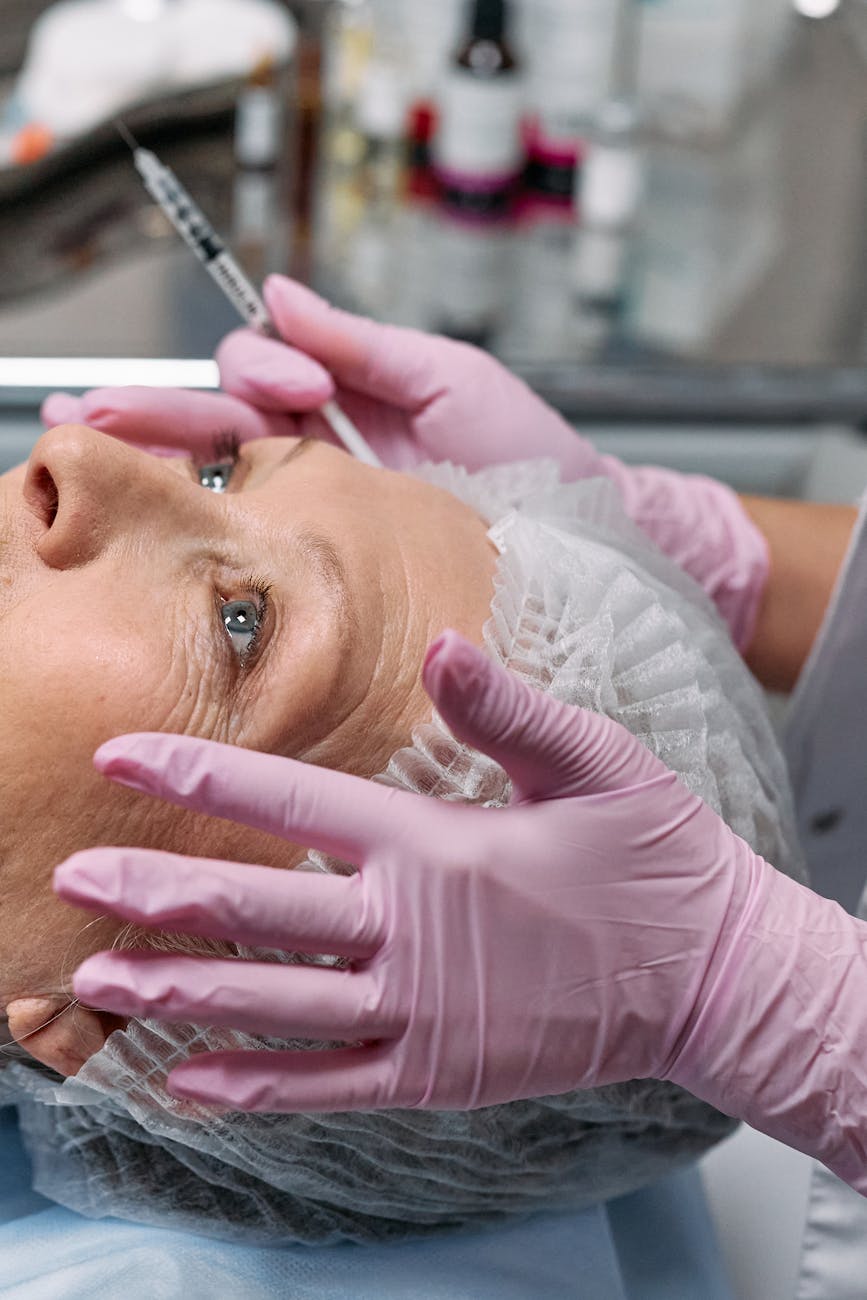
In a post-pandemic world where Zoom meetings and digital self-awareness have skyrocketed, more Long Islanders are turning to facial rejuvenation procedures to refresh their appearance and boost their confidence. Facelift surgery is now becoming a popular, mainstream choice for people in their 40s, 50s, and beyond.
Thanks to new techniques, faster recovery times, and more natural-looking results, the demand for facelifts on Long Island has never been higher. Local surgeons report a steady increase in consultations, with many patients seeking subtle yet meaningful improvements.
Why Facelifts Are Trending Now
Several cultural and technological shifts are driving the facelift boom across Long Island:
Digital visibility: Daily video calls have made people more conscious of sagging skin, jowls, and facial asymmetry.
Longer life expectancy: Many individuals in their 50s and 60s feel younger than they look and want their appearance to reflect their energy and vitality.
Advanced techniques: Modern facelifts are more customizable than ever, offering subtle, natural results without the “pulled” look.
Local expertise: The rise of trusted, board-certified specialists in Long Island has made high-quality facelift procedures more accessible without having to travel to Manhattan.
According to Dr. Breitbart, a facial plastic surgeon and medical director of Long Island Facelift, “Today’s facelift patient is more educated, more proactive, and looking for results that align with their lifestyle. They want to look rested, not different.”
Exploring the Types of Facelifts Available
Facelift surgery has come a long way from the overly taut procedures of decades past. On Long Island, patients now have access to a variety of techniques that cater to individual needs and age groups.
Here’s a breakdown of the most popular facelift options:
SMAS Facelift
The Superficial Musculoaponeurotic System (SMAS) lift is a traditional method that repositions deeper layers of facial tissue for longer-lasting results. It’s ideal for moderate to severe sagging in the mid-to-lower face.
Deep Plane Facelift
Considered the gold standard for natural results, the deep plane facelift lifts beneath the muscle layer, allowing for more dramatic improvements with less skin tension. Surgeons trained in this technique often achieve younger looking contours and quicker recovery.
Mini Facelift
Perfect for younger patients or those with early signs of aging, the mini facelift addresses the jawline and lower face with shorter incisions and minimal downtime.
Neck Lift
Often combined with a facelift, a neck lift tightens the skin and underlying muscles of the neck, eliminating “turkey neck” and improving profile definition.
Brow Lift
Also called a forehead lift, this technique targets the upper third of the face to raise sagging brows and smooth frown lines.
Liquid Facelift
Using dermal fillers and neurotoxins like Botox, this non-surgical option restores volume and smooths lines temporarily, making it popular among younger patients.
Laser Facelift
A non-invasive treatment that uses heat-based technology to stimulate collagen production and tighten skin. While results are modest, it’s a good option for mild laxity.
Dr. B explains, “There’s no one-size-fits-all approach. Some patients are best served with a full deep plane facelift, while others only need a mini or a combination of smaller treatments. It’s all about matching the right procedure to the patient’s goals.”
Long Island: A Hotspot for Facial Aesthetic Innovation
Long Island is quickly becoming a go-to destination for facial rejuvenation, in part due to the growing number of specialists trained in advanced surgical techniques.
The newly established Long Island Facelift has joined this thriving scene, offering a wide range of procedures focused entirely on facial aesthetics.
While the center is a welcome addition, it represents a broader trend across Suffolk and Nassau Counties: patients want expert care close to home.
What sets Long Island apart?
Proximity and convenience: Patients no longer need to travel into Manhattan to find elite-level facial plastic surgeons. Board-certified providers are now practicing in local communities.
Boutique care: Many Long Island practices emphasize personal attention, extended consultations, and customized recovery plans, all of which appeal to today’s informed patient.
Discretion and comfort: Suburban settings provide more privacy and less pressure than big-city clinics. This appeals especially to professionals and retirees who value a low-key experience.
The Emotional Side of a Facelift
Beyond the physical transformation, patients often describe their facelift journey as deeply personal and even emotional. For many, it marks the start of a new chapter, one that reflects how they feel inside.
Dr. Breitbart notes, “I’ve had patients tear up during follow-up visits because they finally feel seen not just by others, but by themselves. It’s incredibly rewarding to help someone align their inner vitality with their outward appearance.”
Whether it’s a grandmother wanting to look her best at her granddaughter’s wedding, or a professional seeking to stay competitive in the workplace, the reasons for getting a facelift are as varied as the patients themselves.
What to Expect Before and After Surgery
If you’re considering a facelift on Long Island, understanding the process from consultation to recovery can help you feel more prepared and empowered in your decision.
Initial Consultation
The journey begins with a personalized consultation, typically lasting 45 minutes to an hour. During this meeting, the surgeon carefully evaluates several factors:
- Facial anatomy: Skin elasticity, bone structure, and fat distribution all influence which techniques will be most effective.
- Signs of aging: Areas like the jawline, cheeks, neck, and brow are assessed to determine the degree of laxity and volume loss.
- Patient goals: Some patients want dramatic rejuvenation. Others prefer a subtle refresh. These goals guide the surgical plan.
High-resolution photographs may be taken for surgical planning, and the provider may recommend combining procedures (e.g., neck lift with SMAS facelift) to achieve balanced results. Patients are also given details about preparation, potential risks, and recovery timelines. During this consultation, discussing the expected facelift cost helps patients understand the financial commitment and plan accordingly.
Day of Surgery
Most facelift procedures on Long Island are performed in accredited outpatient surgical centers or private operating suites. Depending on the technique chosen, the surgery can last anywhere from 2 to 5 hours.
- Anesthesia: General anesthesia is commonly used for deep plane or SMAS facelifts. Lighter sedation (twilight anesthesia) may be used for mini or mid-face lifts.
- Incisions: Surgeons strategically place incisions around the ears, hairline, and sometimes under the chin to allow for lifting and tightening without visible scarring.
- Technique in action: The surgeon repositions underlying tissues, removes or re-drapes excess skin, and may include liposuction or fat grafting for contour refinement.
Patients are monitored post-op and typically return home the same day with detailed care instructions, a compression garment (if needed), and follow-up appointments scheduled.
Recovery Timeline
Recovery experiences vary slightly based on the type of facelift and individual healing response, but most follow this general timeline:
- Week 1: Expect swelling, bruising, and a tight sensation in the face and neck. Sleeping with the head elevated, managing discomfort with prescribed medications, and avoiding strenuous activity are essential. Patients often take time off from work and social engagements.
- Week 2–3: Bruising begins to fade, and most patients notice improved symmetry and contour even as swelling persists. Sutures may be removed during this stage, and patients often feel ready to resume light activities or return to work (especially for desk-based jobs).
- Week 4–6: The face begins to look more natural and rested. Swelling diminishes significantly, and incisions continue to fade. At this point, many patients are ready for photos, events, and daily life without visible signs of recent surgery.
- 3 months and beyond: Final results are typically visible around the three-month mark, though subtle refinement can continue for up to a year. Scars fade further and can be camouflaged easily with makeup or hair styling.
Throughout recovery, surgeons on Long Island often schedule multiple check-ins to monitor healing and provide reassurance.
Long-Term Maintenance
A facelift can turn back the clock, but it doesn’t stop time altogether. Fortunately, maintaining your results is easier than many expect.
- Sun protection: Daily SPF use is essential to protect delicate post-surgical skin and prevent premature aging.
- Healthy lifestyle: Staying hydrated, eating a balanced diet, and avoiding smoking will all support long-term skin health.
- Skincare and treatments: Patients often choose to complement their facelift with non-invasive treatments like laser resurfacing, microneedling, or professional-grade facials.
- Optional enhancements: Some opt for targeted follow-up procedures down the line, such as upper eyelid surgery or a brow lift, to maintain a refreshed appearance.
Most facelift patients enjoy results that last 7 to 10 years or more, especially when paired with a thoughtful maintenance plan.
Is It Worth It?
While cost, recovery, and fear of surgery may deter some people at first, many facelift patients say the procedure was one of the best investments they ever made. On Long Island, where the emphasis is increasingly on natural refreshment, the stigma around cosmetic surgery is fading.
The goal isn’t to look 25 again. It’s to look like the best version of yourself which is well-rested, vibrant, and confident.
Final Facelift Thoughts
The facelift renaissance on Long Island reflects a cultural shift toward proactive, age-positive choices. With more local access to top-tier techniques and specialists, Long Islanders are choosing facial rejuvenation not out of vanity, but from a desire to feel more like themselves.
Whether you’re considering a traditional SMAS lift, a subtle brow lift, or a non-surgical option like injectables, Long Island now offers a full spectrum of possibilities right in your backyard.




Leave a Reply