Your home’s exterior is the first thing visitors see, and it plays a crucial role in both curb appeal and property value. The good news? You don’t need a massive budget or months of construction to make a dramatic difference. With strategic planning and the right approach, exterior renovations can transform your home’s appearance while providing practical benefits like improved energy efficiency and enhanced outdoor living.
Boosting Curb Appeal with Fresh Paint and Updated Trim
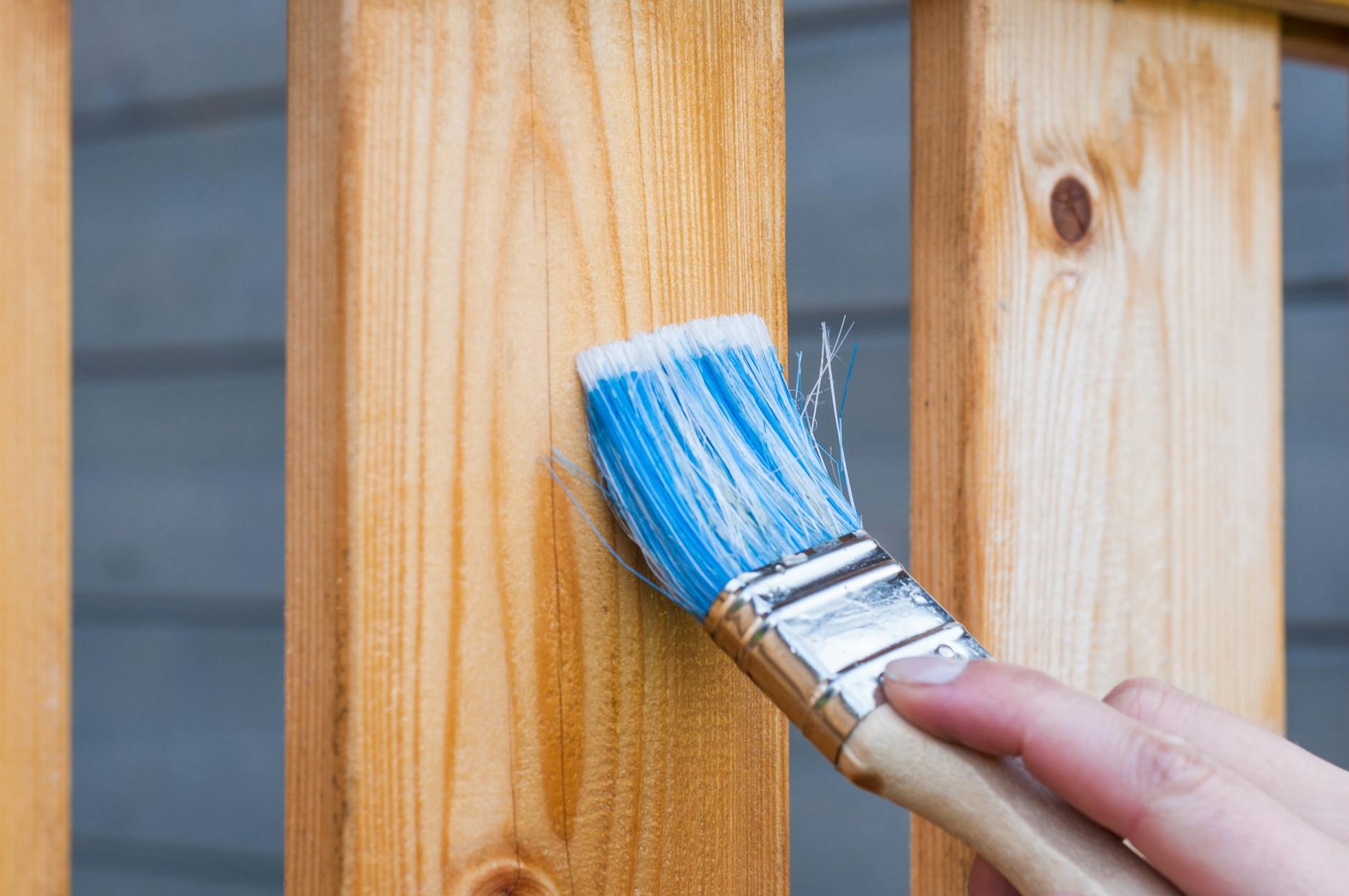
Nothing transforms a home’s appearance faster than a fresh coat of paint. This single upgrade can modernize dated exteriors, protect your home from weather damage, and significantly increase property value. The key lies in choosing colors that complement your home’s architectural style and neighborhood aesthetic.
Start by assessing your home’s current condition. Look for peeling paint, faded areas, or surfaces that appear weathered. These are your priority zones. For most homes, focusing on the front-facing areas provides the biggest visual impact while keeping costs reasonable.
When selecting colors, consider your home’s permanent features like roofing, stone veneer, or brick elements. These materials should guide your color palette rather than compete with it. Neutral tones like soft grays, warm whites, and muted blues remain popular choices because they appeal to broad audiences and photograph well.
Don’t overlook your trim work. Updated window trim, door frames, and architectural details can add character and definition to your home’s exterior. Consider contrasting colors that make these features pop, or opt for classic white trim for a timeless look that works with virtually any siding color.
Professional painters can complete most exterior painting projects in a few days, but DIY enthusiasts can tackle smaller sections over several weekends. Either way, proper surface preparation makes the difference between a renovation that lasts two years versus twenty.
Enhancing Outdoor Living Spaces
Outdoor living spaces have become essential extensions of our homes, especially as more people prioritize entertaining and relaxation areas. Adding or upgrading patios and decks creates functional space while boosting your home’s appeal and value.
Patio Options for Every Budget
Patios offer versatility and relatively low maintenance compared to other outdoor features. Concrete patios provide durability and can be stamped or stained to mimic more expensive materials like stone or brick. For a more premium look, consider pavers or natural stone, which offer better drainage and can be easily repaired if individual pieces become damaged.
Stone veneers, such as those in Salt Lake City, can add sophisticated texture and visual interest to patio walls or outdoor fireplaces, creating a cohesive design that ties into your home’s architectural elements. This material provides the appearance of natural stone at a fraction of the cost and weight.
Deck Upgrades That Last
Decks work particularly well for homes with sloped yards or those seeking elevation for better views. Modern composite materials have largely replaced traditional wood in many markets due to their low maintenance requirements and consistent appearance over time. While the initial cost runs higher than wood, composite decking eliminates the need for annual staining or sealing.
Size your outdoor space appropriately for your lot and intended use. A small bistro area might need only 100 square feet, while spaces designed for entertaining typically require 200-400 square feet. Consider how the space connects to your home’s interior and whether it provides easy access to kitchens or family rooms.
Adding built-in seating, planters, or fire features can elevate basic patios and decks into true outdoor rooms. These elements create defined spaces and reduce the need for movable furniture that requires seasonal storage.
Energy-Efficient Upgrades for Long-Term Savings
Energy-efficient exterior renovations offer the dual benefit of reducing utility costs while improving comfort and home value. These upgrades often qualify for tax credits or utility rebates, making them more affordable than their upfront costs suggest.
Window and Insulation Improvements
Window replacements typically provide the most dramatic energy savings, especially if your current windows are single-pane or more than 20 years old. Modern windows feature improved glazing, better sealing, and advanced frame materials that significantly reduce heat transfer. While window replacement represents a substantial investment, the combination of energy savings, improved comfort, and enhanced appearance makes it worthwhile for most homeowners.
Exterior insulation improvements can dramatically reduce energy consumption without disrupting interior living spaces. Adding insulation during siding replacement projects maximizes efficiency gains while minimizing labor costs. Even homes with adequate wall insulation often benefit from improved attic or basement insulation, which can be added relatively easily.
Roofing and Smart Technology
Roofing upgrades present opportunities for energy improvements beyond basic weather protection. Cool roof materials reflect more sunlight and absorb less heat than traditional options, reducing cooling costs in warm climates. Proper attic ventilation systems work in conjunction with roofing materials to maintain comfortable temperatures and prevent moisture problems.
Smart exterior upgrades like programmable irrigation systems, solar-powered lighting, and automated shade structures provide convenience while reducing resource consumption. These technologies have become more affordable and reliable, making them practical additions to renovation projects.
Revitalizing Landscaping for a Polished Look
Strategic landscaping serves multiple purposes: it enhances curb appeal, provides privacy, and can even reduce energy costs through strategic shade placement. The most effective landscape renovations balance aesthetic appeal with practical considerations like maintenance requirements and local climate conditions.
Foundation Plantings and Garden Design
Start with your home’s foundation plantings. These shrubs and perennials frame your house and should provide year-round interest. Choose plants with different blooming seasons, varied foliage textures, and appropriate mature sizes. Overgrown foundation plantings can make homes appear smaller and darker, while sparse plantings leave exteriors looking unfinished.
Consider your yard’s natural drainage patterns and sun exposure when planning renovations. Plants that thrive in your specific conditions will look better and require less maintenance over time. Native plants often provide the best combination of beauty and sustainability, as they’re adapted to local rainfall and soil conditions.
Hardscaping and Tree Placement
Hardscaping elements like retaining walls, pathways, and garden borders add structure to landscape designs. These features can solve practical problems like erosion control or difficult slopes while creating visual interest. Materials should complement your home’s exterior materials and architectural style.
Trees deserve special consideration in landscape renovations. Mature trees provide invaluable shade, privacy, and property value, but they take years to establish. If your property lacks mature trees, consider planting fast-growing varieties in strategic locations. Conversely, removing trees that are too close to structures or blocking desirable views can open up spaces and reduce maintenance concerns.
Conclusion
Enhance your home’s exterior by complementing its architecture and neighborhood character. Start with impactful, affordable updates like painting and landscaping for immediate results. Plan carefully before larger projects like decks or window replacements, and use quality materials with professional installation. With thoughtful execution, your renovations will add lasting value and enjoyment.




Leave a Reply