Aging gracefully isn’t about giving up; it’s about taking a holistic approach to health, mind, and vitality. Staying youthful goes beyond pricey creams and supplements; it’s about simple, consistent habits that shape how we age. This guide shares proven tips for radiant skin, a strong body, mental clarity, and lasting energy to keep you feeling your best.
Skincare Secrets for a Youthful Glow
Your skin tells the story of your lifestyle choices. Fortunately, with the right approach, you can ensure it tells a tale of vitality and care rather than neglect and premature aging.
Daily Skincare Routine
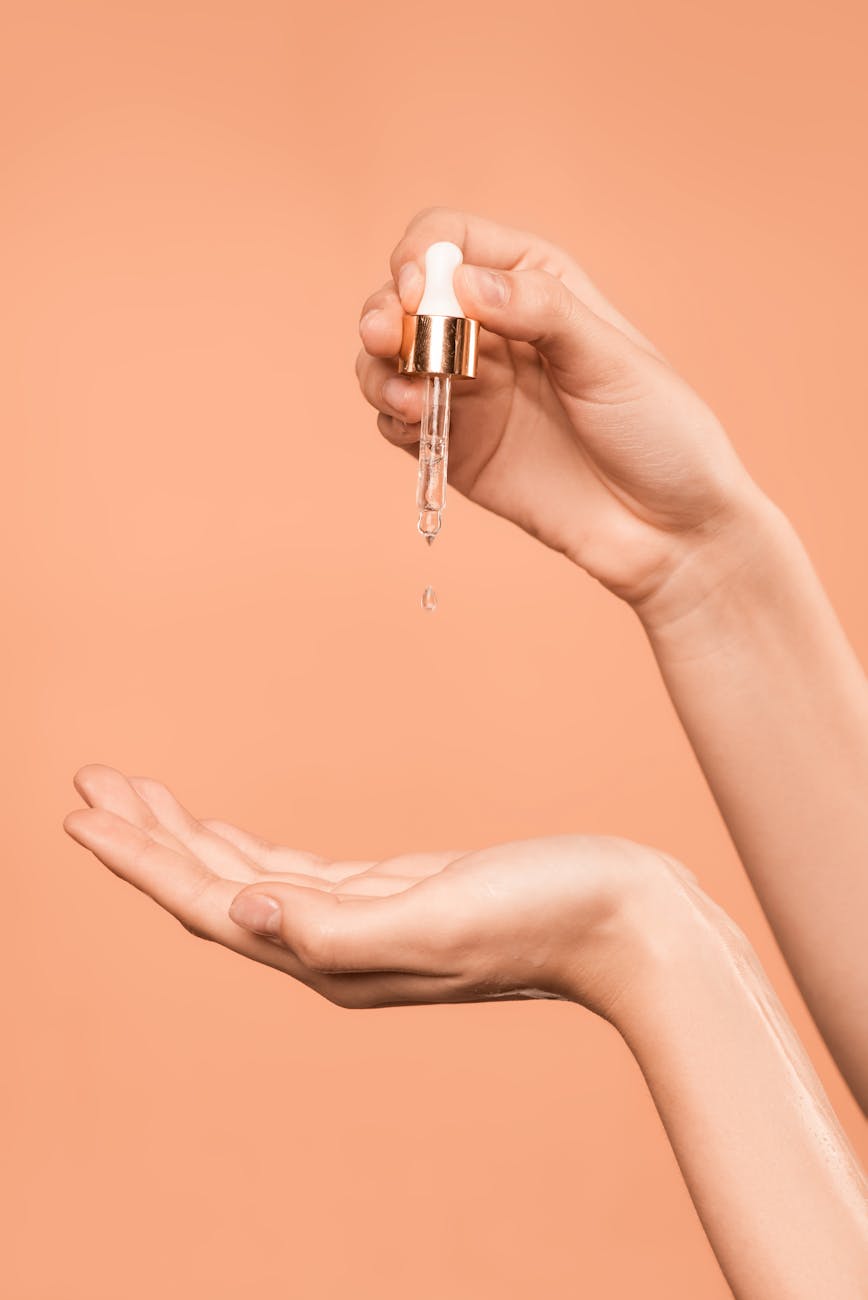
Consistency trumps complexity when it comes to skincare. A simple yet effective routine involves three key steps: cleanse, treat, and protect. Start your morning with a gentle cleanser that removes overnight buildup without stripping natural oils. Follow with a vitamin C serum to brighten and protect against environmental damage.
Evening routines should focus on repair and renewal. After cleansing, apply a retinoid or retinol product to boost cell turnover. Finish with a moisturizer that matches your skin type. Remember, the best skincare routine is one you’ll follow every day.
The Power of Sunscreen
Dermatologists agree that sunscreen is the single most effective anti-aging product you can use. UV damage causes up to 80% of visible facial aging signs, including wrinkles, dark spots, and loss of elasticity. Choose a broad-spectrum SPF of at least 30 and apply it generously to all exposed areas.
Don’t reserve sunscreen for beach days. UV rays penetrate clouds and windows, making daily application essential. Reapply every two hours when outdoors, and consider makeup products with built-in SPF for convenient touch-ups throughout the day.
Hydration and Diet
Beautiful skin starts from within. Drinking adequate water helps maintain skin elasticity and flushes out toxins that can cause dullness. Aim for eight glasses daily, and increase intake during hot weather or intense exercise.
Your diet directly impacts skin health. Foods rich in omega-3 fatty acids, like salmon and walnuts, help maintain the skin’s barrier function. Colorful fruits and vegetables provide antioxidants that combat free radical damage, while limiting sugar and processed foods can reduce inflammation that accelerates aging.
Professional Treatments
While at-home care forms the foundation of healthy skin, professional treatments can address specific concerns more effectively. Regular facials help deep-clean pores and provide targeted treatments for your skin type. Chemical peels can improve texture and reduce fine lines by encouraging cellular renewal. For those seeking a flawless, even complexion, using a cushion foundation afterward can enhance the results of these treatments while providing lightweight, buildable coverage.
For those seeking more dramatic results, cosmetic injection treatments like those in McMinnville can address deeper wrinkles and volume loss. These procedures should always be performed by qualified professionals who can create natural-looking results that enhance rather than alter your appearance.
Fitness and Exercise to Keep You Active
Physical activity is perhaps the most powerful anti-aging tool available. Regular exercise doesn’t just keep you looking younger—it literally slows the aging process at a cellular level.
Cardio for Heart Health
Cardiovascular exercise strengthens your heart, improves circulation, and boosts energy levels. The increased blood flow delivers oxygen and nutrients to skin cells, creating that coveted post-workout glow. Aim for at least 150 minutes of moderate cardio weekly, whether through brisk walking, cycling, swimming, or dancing.
High-intensity interval training (HIIT) offers particular anti-aging benefits. Short bursts of intense activity followed by recovery periods can improve cardiovascular fitness more efficiently than steady-state cardio while boosting growth hormone production.
Strength Training for Muscle Tone
Muscle mass naturally declines with age, but resistance training can slow or even reverse this process. Building and maintaining muscle improves metabolism, bone density, and overall functional strength. Focus on compound movements that work multiple muscle groups simultaneously.
You don’t need a gym membership to start strength training. Bodyweight exercises like push-ups, squats, and planks provide excellent resistance. Resistance bands offer a portable alternative to weights while still providing the muscle-building stimulus your body needs.
Yoga and Flexibility
Flexibility and balance often decline with age, but yoga can help maintain and improve both. Regular practice enhances posture, reduces joint stiffness, and promotes better sleep. The mindful aspect of yoga also provides stress relief, which has its own anti-aging benefits.
Even ten minutes of daily stretching can make a significant difference in how you feel and move. Focus on areas that tend to tighten with age, such as hips, shoulders, and spine. The improved mobility will help you maintain an active lifestyle for years to come.
Nutrition and Diet for Longevity
Food is medicine, and the right dietary choices can significantly impact how gracefully you age. A longevity-focused diet emphasizes nutrient density while limiting foods that promote inflammation and cellular damage, and some individuals also consider adding a berberine supplement for its potential health-supporting benefits.
Antioxidant-Rich Foods
Antioxidants neutralize free radicals that damage cells and accelerate aging. Berries, dark leafy greens, and colorful vegetables are powerhouses of these protective compounds. Green tea provides catechins, while dark chocolate offers flavonoids that support heart and brain health.
Aim to eat a rainbow of colors each day. Purple foods like eggplant and blueberries contain anthocyanins, orange foods like carrots provide beta-carotene, and red foods like tomatoes offer lycopene. Each color group provides unique protective benefits.
The Role of Vitamins and Minerals
Certain nutrients play crucial roles in maintaining youthful function. Vitamin D supports bone health and immune function, while B vitamins are essential for energy production and nervous system health. Minerals like zinc and selenium support immune function and protect against oxidative stress.
While a balanced diet should provide most nutrients, some may benefit from targeted supplementation. Omega-3 supplements can be helpful if you don’t eat fish regularly, and vitamin D supplementation is often necessary for those with limited sun exposure.
Limiting Processed Foods and Sugar
Ultra-processed foods often contain inflammatory ingredients and lack the nutrients your body needs to function optimally. Excessive sugar consumption can lead to glycation, a process that damages collagen and contributes to skin aging.
Focus on whole foods prepared simply. Choose brown rice over white, whole fruits over juice, and lean proteins over processed meats. When you do indulge in treats, practice moderation and try to balance them with nutrient-dense choices.
Mental Wellness and Stress Management
Chronic stress accelerates aging through multiple pathways. It increases cortisol production, promotes inflammation, and can lead to poor lifestyle choices. Managing stress effectively is crucial for maintaining both physical and mental youthfulness.
Meditation and Mindfulness
Regular meditation practice has been shown to slow cellular aging and improve mental clarity. Even short daily sessions can reduce stress hormones and promote a sense of calm. Start with just five minutes daily, focusing on your breath or using guided meditation apps.
Mindfulness extends beyond formal meditation. Practice being present during daily activities like eating, walking, or conversing. This awareness can reduce anxiety and help you appreciate life’s simple pleasures.
The Importance of Sleep
Quality sleep is when your body repairs and regenerates. During deep sleep, growth hormone is released, helping maintain muscle mass and bone density. Sleep also allows your brain to clear waste products and consolidate memories.
Aim for seven to nine hours nightly and maintain consistent sleep and wake times. Create a bedtime routine that signals your body to wind down, such as dimming lights, avoiding screens, and keeping your bedroom cool and comfortable.
Hobbies and Social Connections
Engaging in activities you enjoy and maintaining strong social connections can add years to your life and life to your years. Hobbies provide mental stimulation and a sense of purpose, while social relationships offer emotional support and reduce feelings of isolation.
Learn new skills, join clubs, volunteer for causes you care about, or simply spend quality time with friends and family. These activities keep your mind sharp and your spirit young, contributing to overall vitality and well-being.
Conclusion
Investing in your health today brings benefits for years to come. Start small—try a simple skincare routine or daily walks, then build from there. Remember, it’s not about perfection but progress toward a vibrant, energetic you. With these strategies, you’re not just adding years to your life—you’re adding life to your years.




Leave a Reply