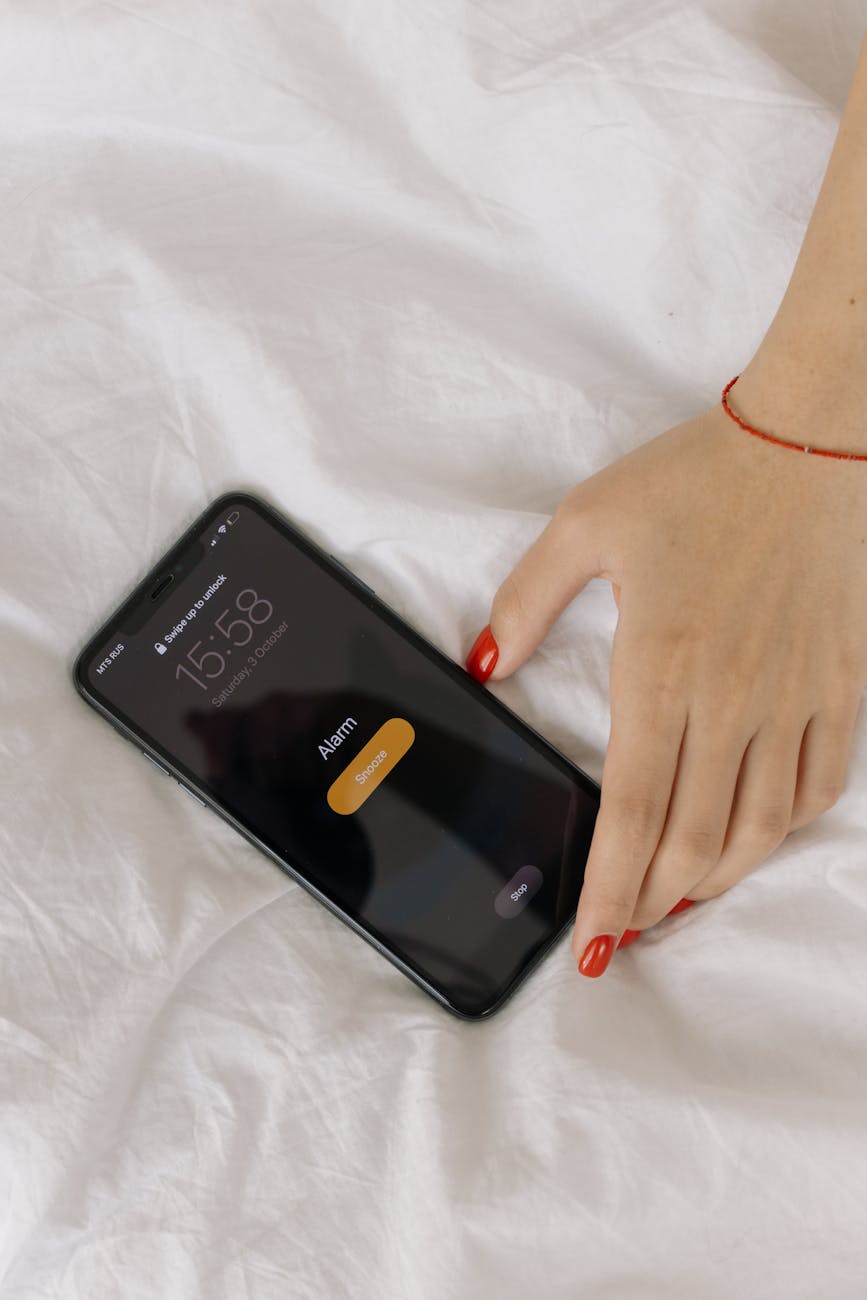
Everyone considers push notifications harmless little buzzes, but arriving at bedtime, they can quietly upset the deepest phases of sleep. It is at deep sleep that your body fixes tissues, regulates your hormones, and consolidates memories. As phones buzz, even if they don’t wake you up entirely, they can kick your brain out of this restorative phase. In the long run, this makes you more fatigued, groggy, and more susceptible throughout the day. Research indicates light and noise from devices affect natural sleeping cycles more than we are even aware. In this article, we are going to examine how deep sleep operates, what the role of notifications is in disturbing it, what it does to brain recovery, what are the long-term risks to your body, and what practical steps are available toward protecting your deep rest.
How deep sleep cycles work
Deep sleep is one of the most important stages of the night. It is the time when your brain slows its activity, your muscles fully relax, and your body focuses on repair and growth. This stage helps restore energy, strengthen the immune system, and process memories from the day. Without enough deep sleep, you may wake up feeling unrested, even if you spent hours in bed. Unfortunately, modern life often interrupts this natural rhythm. Loud environments, late-night screen use, and even silent phone vibrations can shift you out of deep sleep without you noticing. This means your body misses out on the healing benefits of this critical phase. When your sleep cycles are repeatedly disturbed, the result can be morning grogginess, mood swings, and reduced focus at work or school. Protecting deep sleep is not about sleeping longer, but about ensuring this stage remains undisturbed.
The role of notifications
Phones have become constant companions, but at night they can turn into hidden sleep disruptors. Each buzz, ping, or light flash has the power to jolt your brain into lighter sleep. Over time, this prevents you from entering long stretches of deep rest. One solution is to set up a sleep-friendly routine that limits notifications after bedtime. This approach works better than simply ignoring the phone. According to Legacy Healing Center, protecting rest through healthy boundaries improves both physical recovery and emotional balance.
Market list of steps to protect deep sleep:
- Use airplane mode or do not disturb settings before bed
- Keep devices out of reach from your bed
- Create a calming pre-sleep routine with reading or meditation
- Stick to a regular bedtime schedule
Making these changes may sound small, but together they give your body the chance to heal, recharge, and wake up feeling stronger.
Common sleep questions
Others are curious about deep sleep and how push notifications impact it. A frequent query is just how much noise or vibration it does take to rouse the brain. Even brief alerts can yank someone out of deep sleep into a shallower level. This will not necessarily result in complete wakefulness, but it decreases the duration spent in the deepest level, and the body is consequently less refreshed. In the long run, this can contribute to feeling tired and experiencing reduced resilience to stress.
There is also the issue of whether it is sufficient to put a phone on silent. Silent modes are beneficial, but the device still flashes up with messages or buzzes, and this will stimulate the nervous system. It is preferable to put it on airplane mode or do not disturb modes. These cut signals completely and serve to guarantee the brain is not interrupted during key rest cycles. It is more about safeguarding the quality of deep sleep rather than sleeping longer.
Fast tips for deeper rest
Improving sleep quality does not require big changes. Small actions can protect your deep sleep from constant disruptions caused by devices. The key is to create an environment that supports relaxation and shields you from digital interruptions.
Here are practical steps anyone can use:
- Turn on airplane mode or do not disturb before bedtime
- Keep your phone outside the bedroom while sleeping
- Use blackout curtains to reduce outside light distractions
- Develop a calming routine like reading or stretching before sleep
- Stick to consistent sleep and wake times daily
By applying these simple habits, you can enjoy deeper sleep, stronger recovery, and more energy each morning.
Real stories of sleep impact
One sleep clinic related the example of a young professional who felt always tired even though he went to bed early. Physicians, after assessing his regimen, observed that his phone remained beside his pillow, vibrating during the entire night with work notifications, social media notifications, and group messages. Even if he did not entirely wake up, his sleep patterns were always disrupted. When he was told to put his phone on airplane mode at night, his deep sleeping significantly improved within two weeks and his daytime energy enhanced.
Studies indicate that just one alert can put deep sleep on hold up to 10 minutes
Experts describe how the effect accumulates over the long term. If one receives many alerts each evening, the consequence is broken sleep that never achieves the restorative depth the body and brain need. Many write it off as trivial, but clinical studies demonstrate correlations between disturbed deep sleep and greater strain, impaired concentration, and reduced mood control. Reporting such practical cases illustrates how common habits affect health in ways one may not anticipate. Easy measures, such as designing a phone-free sleeping area, can transform agitated nights into restorative rest.
Protect your deep sleep
Push notifications may seem small, but they have a big impact on the quality of your rest. By taking control of your night routine and limiting digital interruptions, you give your brain the chance to cycle naturally into deeper phases. Protecting your deep sleep cycles will restore energy, balance, and resilience for the day ahead.




Leave a Reply