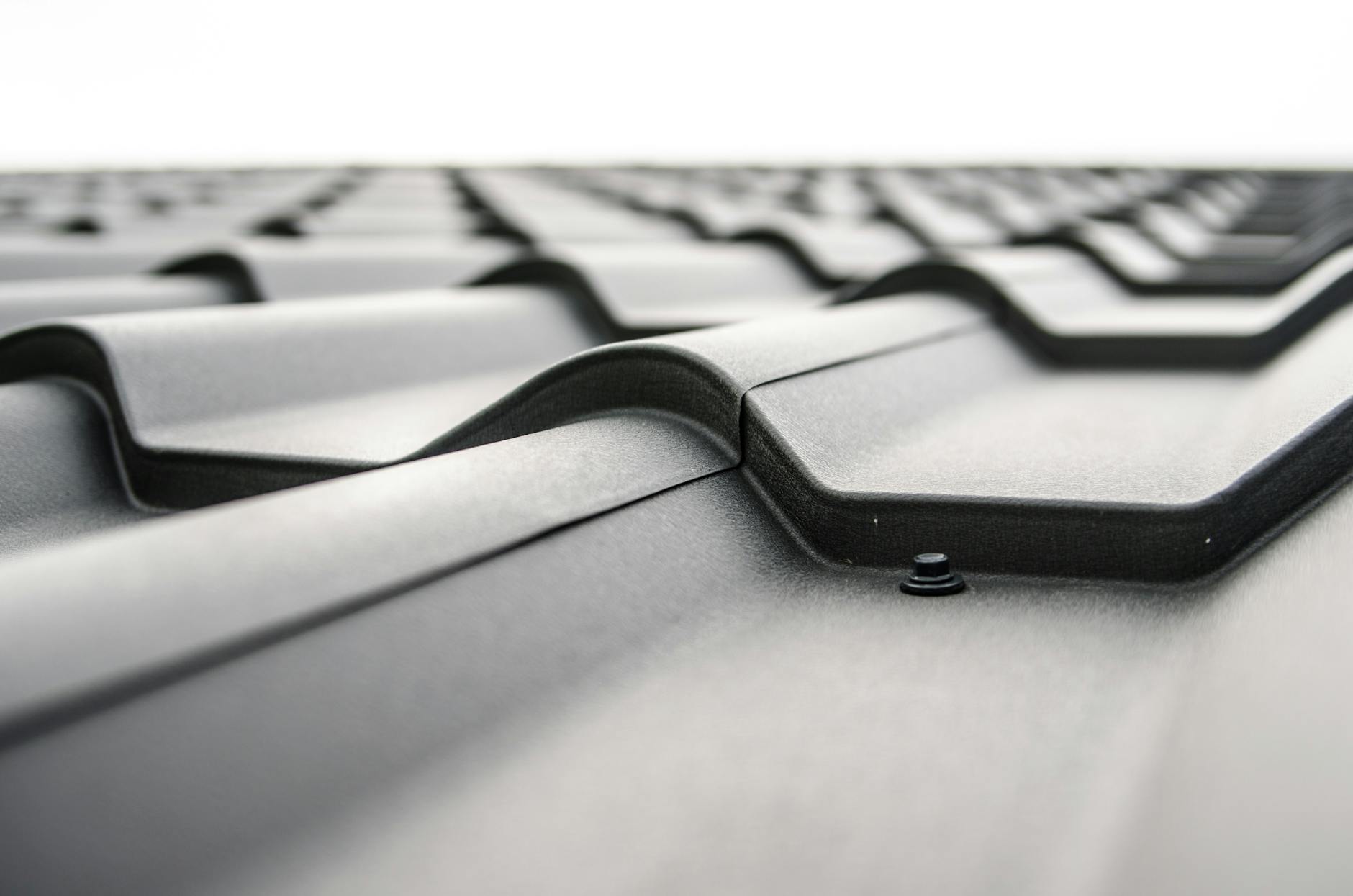
The roof is one of the most visible—and vital—components of any building. But when it comes time to choose a roof style for a new build or major renovation, many homeowners face a key decision: flat or sloped?
Both styles come with unique advantages, challenges, and aesthetic appeal. Your decision will affect not just appearance, but also cost, drainage, insulation, and long-term maintenance.
Before you break ground or call a roofing contractor, here’s a detailed comparison to help you make the best choice for your project.
The Basics: What Defines Each Roof Type?
Flat Roofs
Flat roofs have a pitch of 10 degrees or less, often appearing completely horizontal to the naked eye. Though common in commercial construction, flat roofing is increasingly popular in modern residential architecture.
Flat roofs rely on specialized drainage systems and are typically covered with materials like modified bitumen, TPO, EPDM rubber, or PVC membranes.
Sloped Roofs
Sloped or pitched roofs are what most people picture when thinking of a traditional home. These have a steeper angle (more than 10 degrees), which allows water, snow, and debris to naturally run off.
Common materials include asphalt shingles, metal panels, tile, and wood shakes.
Pros of Flat Roofs
- Modern Aesthetic
Flat roofs offer a sleek, clean appearance that pairs well with minimalist and contemporary designs. They create a bold architectural profile that stands out in both urban and suburban settings. - Usable Space
The horizontal surface of a flat roof can double as a rooftop garden, patio, or solar panel platform. This added functionality is ideal in urban settings with limited yard space. - Easier Access
Maintenance, inspections, and installations are generally safer and simpler on flat surfaces, making routine upkeep more manageable. - Lower Initial Cost
Flat roofs generally require fewer materials and are quicker to install—reducing upfront labor and material costs in many cases.
Pros of Sloped Roofs
- Superior Drainage
Sloped roofs naturally shed rain and snow, significantly reducing the risk of water pooling or leaks. This makes them ideal for regions with high precipitation or snowfall. - Longer Lifespan
Thanks to better drainage and airflow, sloped roofs often outlast flat roofs. Materials like metal or tile can exceed 40 years with proper care. - Attic Space
Sloped designs typically allow for attic or vaulted ceiling space, which can be used for storage or additional insulation. - More Design Options
Pitched roofs offer architectural variety, from gables to hip roofs to dormers, giving homeowners more room for customization.
Challenges to Consider
Flat Roof Drawbacks
- Drainage Demands: Flat roofs must be carefully designed with drainage systems like internal drains or scuppers. Clogged drains can lead to pooling and water intrusion, making a Flat roofing contractor an important resource for addressing potential roofing issues.
- Shorter Lifespan: Many flat roofing materials last 15–25 years, compared to sloped systems that may last longer with less maintenance.
- Limited Aesthetic Fit: Flat roofs may not align with certain neighborhood styles or HOA guidelines.
Sloped Roof Drawbacks
- Higher Installation Cost: More materials, complex framing, and increased labor time can raise the price tag.
- Maintenance Safety: Cleaning gutters, inspecting vents, or repairing shingles is more hazardous due to the incline.
- Reduced Accessibility: Harder to utilize the roof for additional functions like patios or green spaces.
Climate Matters
Where you live plays a big role in what type of roof performs best.
- Flat roofs are often better suited for arid or mild climates, where rainfall is minimal and snow buildup is unlikely.
- Sloped roofs are more effective in areas prone to storms, rain, and snow thanks to their built-in water-shedding properties.
A local roofing contractor can provide insight into how each style holds up under specific regional conditions. Factors like wind speed, snowfall averages, and UV exposure all influence long-term performance.
Cost Breakdown: It’s Not Just About Materials
Initial cost is only part of the equation. When comparing roof types, consider:
- Installation labor
- Drainage systems (flat) vs. flashing and valleys (sloped)
- Insulation needs
- Ongoing maintenance
- Resale value and curb appeal
Sloped roofs may cost more to install but require less maintenance and may offer better insulation, reducing long-term heating and cooling expenses.
Conversely, flat roofs save on materials and are ideal for multi-use rooftops, but they may require more frequent checkups and repairs.
Installation Time & Permits
Flat roofs typically have a faster turnaround due to the simplicity of framing and fewer components involved. This can be beneficial for homeowners working on tight timelines or with weather-related construction windows.
However, both roof types usually require permitting. Your roofing contractor should handle this process, ensuring all work complies with local regulations and passes required inspections.
Long-Term Maintenance
Flat roofs should be inspected at least twice a year—especially after heavy storms—to check for ponding, cracks, or membrane wear.
Sloped roofs benefit from annual inspections as well, particularly after winter, to spot loose shingles, flashing separation, or moss growth.
Whether flat or pitched, proactive care extends the lifespan of your roof and prevents major surprises.
Final Considerations
Choosing between flat and sloped roofs isn’t just an architectural decision—it’s a lifestyle choice. Do you prioritize functionality over form? Are you in a climate that punishes poor drainage? Do you envision a rooftop deck or simply want a low-maintenance solution?
There’s no one-size-fits-all answer. But working with a knowledgeable contractor like Strive Roofing & Construction ensures you understand the trade-offs and select the best fit for your property, budget, and long-term goals.




Leave a Reply