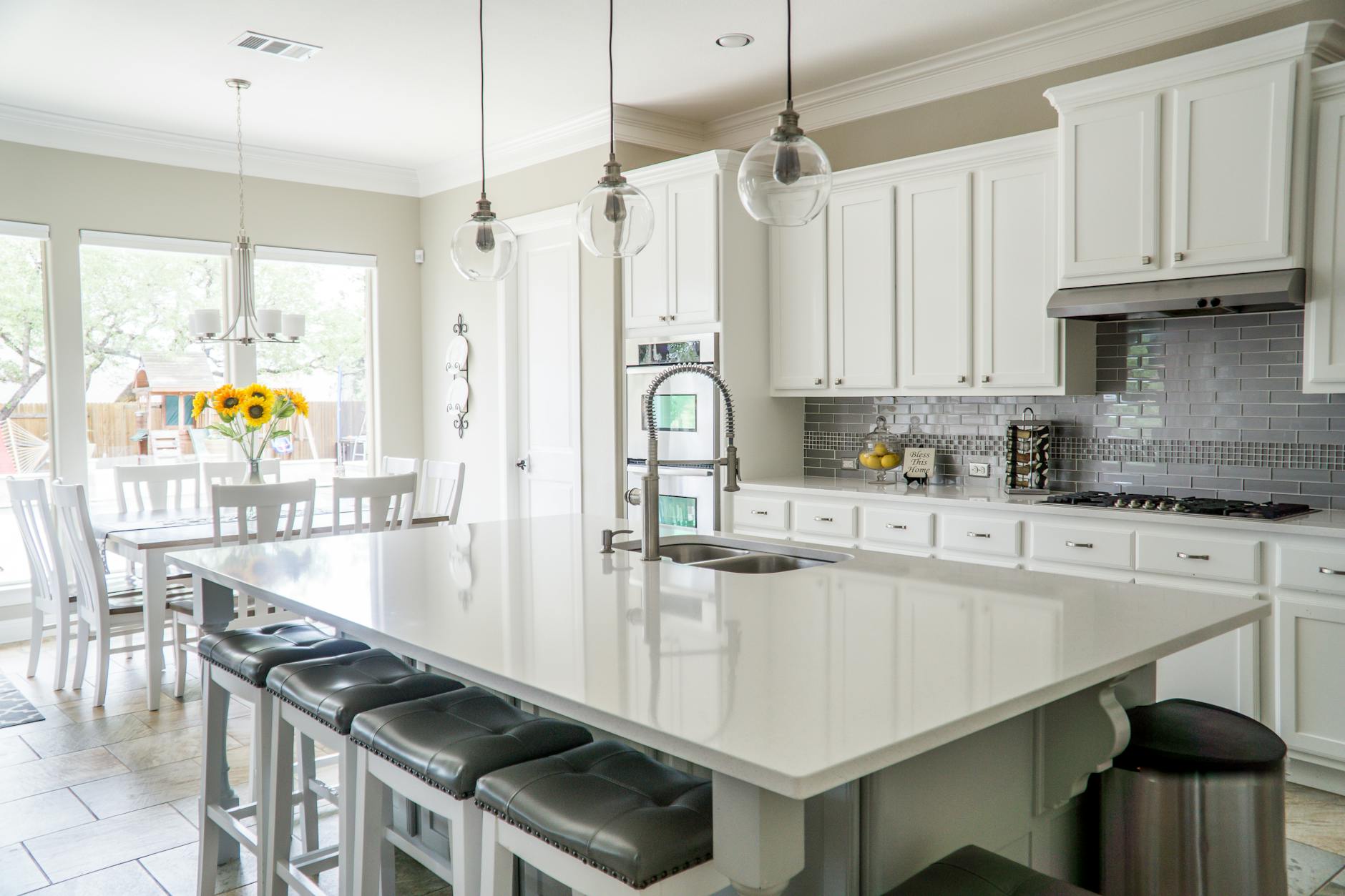
In modern home design, the open-concept kitchen has become a defining feature. With its seamless flow into living and dining areas, it breaks down walls—both literally and figuratively—to encourage interaction, accessibility, and spatial harmony.
Yet, for all its visual appeal, the open-concept kitchen presents a unique challenge: how to create distinction without division. One of the most effective ways to achieve this balance lies in thoughtful cabinet installation.
Cabinets are more than storage—they’re structural design elements that shape how a space looks, feels, and functions. In an open floor plan, they carry the extra responsibility of subtly defining zones, guiding movement, and supporting the aesthetic of multiple spaces at once.
Cabinets as Space-Makers, Not Space-Takers
Traditional kitchens rely on walls to separate them from surrounding rooms. Open-concept designs remove these boundaries, and in doing so, create a need for visual cues that differentiate kitchen areas from shared living spaces.
This is where cabinetry becomes architectural. Floor-to-ceiling units, islands, or even base-only installations can guide the eye and establish zones without the need for walls. Cabinets help anchor the kitchen, framing it as a functional core within a larger setting.
With the right cabinet installation, you can achieve spatial balance—creating a kitchen that feels distinct yet connected, organized yet open.
The Island as a Central Anchor
In many open kitchens, the island acts as a multifunctional focal point. It houses storage, prep space, seating, and sometimes appliances. But its role in defining layout is just as important.
A well-designed island can signal the transition from kitchen to living or dining space. By incorporating contrasting cabinet finishes, unique materials, or integrated lighting, the island becomes a bridge that connects spaces without blending them into ambiguity.
At BNJ Granite & Cabinets, homeowners are often encouraged to think beyond function when designing islands. The cabinetry chosen here should reflect the tone of both the kitchen and adjacent spaces—whether through color, hardware, or structural design.
Seamless but Strategic Storage
Storage in an open-concept kitchen must work harder. Without the extra walls to house upper cabinets or pantries, designers need to maximize every available inch.
Tall cabinets that blend into wall colors or hidden storage in toe-kick drawers can provide volume without cluttering sightlines. Base cabinets beneath large countertops or extended islands become valuable real estate for items typically hidden in overhead units.
Open shelving, though visually appealing, must be installed with intention. In open layouts, everything is visible—so what’s on those shelves should contribute to the overall design narrative.
Proper cabinet installation ensures storage solutions are not only efficient, but also in sync with the flow of the larger space.
Matching Materials with Adjacent Rooms
Since open kitchens merge into other rooms, cabinet materials must work within a broader design palette. Cabinets that clash with nearby finishes or furniture can disrupt the flow and cohesion of the entire space. Choosing slim shaker cabinets can maintain a sleek, cohesive look while maximizing storage without overwhelming the room’s design.
This doesn’t mean every element must match—but harmony is key. Wood tones, hardware finishes, or painted cabinet colors should echo elements from adjacent spaces. A black cabinet finish might pair well with matte black fixtures in a nearby living room. Natural oak could complement a wood coffee table or dining set.
Kitchen cabinets stores in Long Island often suggest creating subtle visual threads between zones—shared textures, color undertones, or repeated hardware—to maintain design integrity without uniformity.
Floating Cabinets and Visual Lightness
Open-concept homes thrive on natural light and visual breathing room. Heavy cabinetry or large built-ins can feel imposing without careful placement.
Floating cabinets offer a sense of lightness. Mounted above base cabinetry or independently along open walls, they give the illusion of more space and maintain the flow of light.
In homes with high ceilings, vertical cabinet stacking—such as a smaller unit above standard uppers—can draw the eye upward and create drama without overcrowding. These choices bring elegance and practicality into harmony.
Coordinating Cabinet Layout with Sightlines
In open kitchens, cabinet layout influences what you see—and what remains hidden. Strategic placement can enhance the openness or conceal clutter, depending on what’s most important to the homeowner.
For example:
- A row of tall pantry cabinets can shield prep zones from the dining area.
- An extended countertop edge can provide visual depth while hiding drawers on the reverse.
- Cabinet-backed islands can keep storage accessible without making it the focal point.
Good cabinet installation is about more than fit—it’s about foresight. Consider what views are created as someone enters the space, sits at the island, or walks through the room. Cabinets should work with those sightlines, not fight them.
Integration with Appliances and Tech
Cabinets in open-concept kitchens often accommodate appliances that double as design features—or that need to stay hidden.
Integrated fridge panels, appliance garages, and custom inserts help keep the aesthetic unified. Rather than breaking the rhythm with stainless steel, custom cabinetry panels maintain the visual flow across large sections of the room.
Technology is also part of modern open kitchens—charging stations, under-cabinet lighting, and built-in speakers all require cabinetry that supports wiring and function without visible bulk.
When working with companies like BNJ Granite & Cabinets, these integrations are addressed during design—not as afterthoughts—ensuring that convenience and cohesion coexist.
Final Thought: Framing the Kitchen in the Open Plan
Open-concept living is more than a trend—it’s a philosophy of connection. But within that openness, structure still matters. Well-planned cabinet installation is what frames the kitchen within the broader context of your home.
It guides movement, defines zones, and blends utility with elegance. It supports cooking, socializing, relaxing—and does it all without drawing too much attention to itself.
Cabinets, when placed with intention, allow open spaces to feel natural and lived-in, rather than exposed or disjointed. And in the hands of skilled professionals, the result is a kitchen that anchors the home—without ever feeling closed off from it.




Leave a Reply