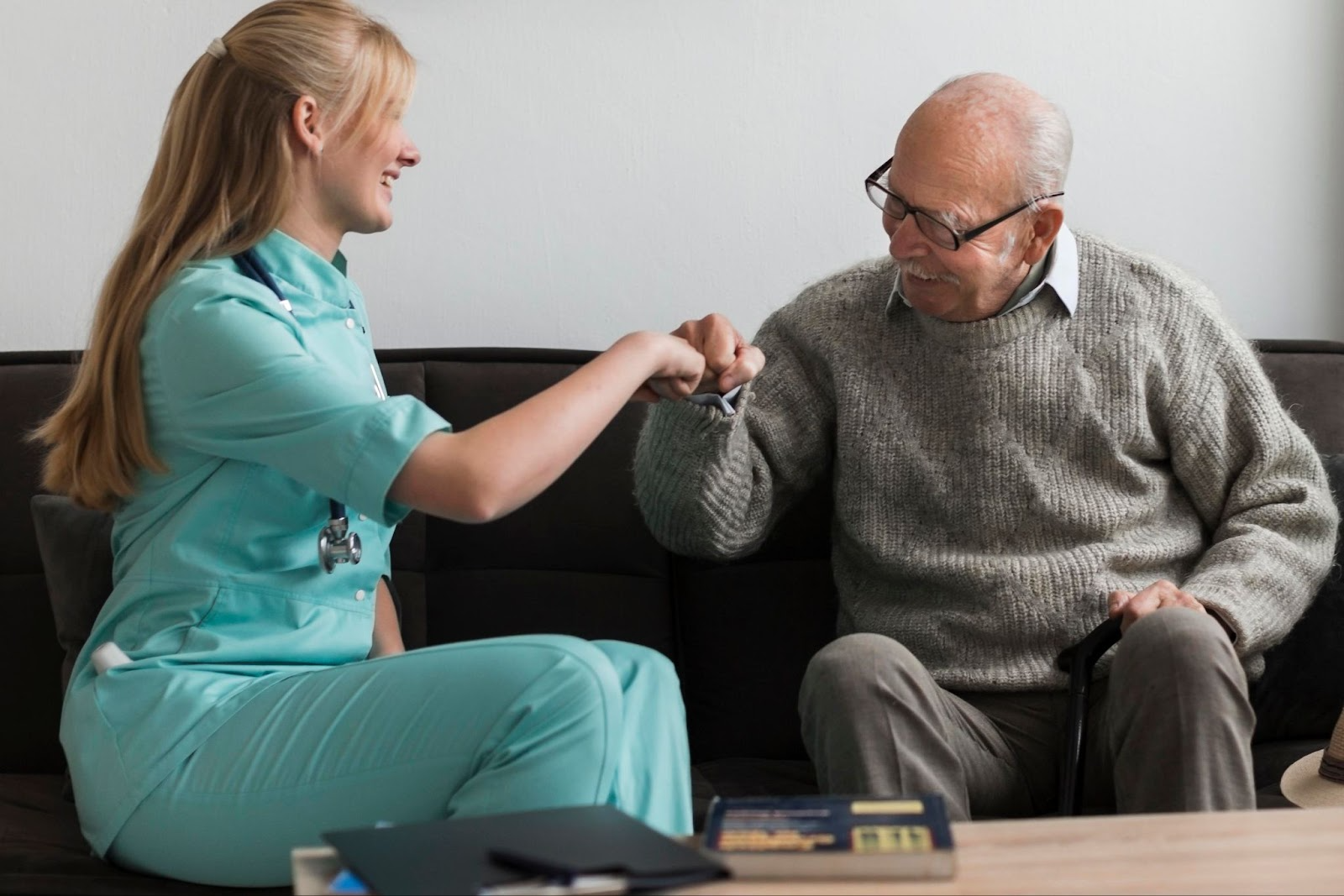
Eyes are sometimes referred to as the windows to the soul. They are closely related to the brain. Neurological disorders may impact our visual interpretation of the world in diverse ways. Ranging from mild to daily challenges, these changes can affect everyday life. In this article, we’ll discuss these effects, provide useful care tips, and explain how an assisted living facility can help.
The Role of the Brain in Vision
Vision is not just eyesight. It is a process through the brain of what the eyes can view. Neurological disorders like stroke, Parkinson’s, and multiple sclerosis can disturb the brain’s capabilities in processing visual information.
This explains how the brain’s health is important in managing vision issues.
Frontotemporal Dementia and Eyes Connection
Frontotemporal dementia is a neurological disorder that can affect how someone sees things. Individuals with this condition will not only experience loss of memory but can also develop problems with eye motion, perception, and even the inability to recognize familiar things or people. This is the reason frontotemporal dementia eyes look different.
Families may observe avoidance of eye contact or difficulties in finding things. Early detection and simple improvements such as bright lighting, high-contrast items, or simplification of tasks can greatly enhance daily living and safety.
How an Assisted Living Facility Can Support Visual Challenges
The daily activities of persons with neurological conditions are never smooth, but an assisted living facility can be very helpful.
- Caregivers help in identifying visual problems, customizing living environments, and monitoring the progress of vision.
- Simple steps such as defining pathways, removing visual confusion, and regular eye exams help in preventing incidents and identifying issues in time.
The Value of an Assisted Living Community
Experiencing vision changes due to neurological conditions, then selecting the right assisted living community can significantly improve the quality of your life. It provides independence, a structured schedule, a secure environment, and companionship.
The main advantages are
- Access to on-site healthcare and vision specialists.
- Safe and well-planned living areas that minimise accidents.
- Positive social environment that promotes interactivity and engagement.
- Individualized care plans to meet unique needs and capacities.
Strategies to Improve Vision for Neurological Patients
Even minor changes in lifestyle can have a huge impact on individuals living with neurological disorders. Improving the environment and adding supportive activities can help to improve visual processing and overall quality of life.
Optimize Lighting and Reduce Glare
Providing proper light maintenance, reducing glare, and using colored objects can assist a person in differentiating objects and moving through spaces more easily and safely.
Engage in Visual Exercises
Easy eye exercises can activate the brain and enhance visual perception. You can also do such things as following objects with your eyes or recognizing shapes and colors.
Use Reading and Audio Tools
Large print books or adding visual enhancements to an audiobook can enhance the chances of awareness and memory retention. This will help in reducing frustration and anxiety in both caretakers and patients.
Technology and Tools to Support Vision
Technology plays an important role in supporting individuals with neurological conditions that affect vision. With the right tools, daily tasks become easier and independence improves.
- Assistive technology like magnifiers, screen readers, and large-text accessories enhances the independence of these individuals with vision changes.
- Smartphones and tablets include accessibility features like voice commands and contrast settings.
- Symptom tracker apps and medication reminder apps also help in releasing stress and facilitate daily care.
Many assisted living communities use these tools to provide the best care possible to their wards.
Early Recognition and Professional Support
It’s important to identify vision changes early. When someone faces difficulties with visual activities, like reading, face recognition, and locating regular places, it is important to seek help. Neurologists and ophthalmologists can work together to assess neurological and ocular factors in order to achieve success.
Family engagement also plays a major role. They help in such a way by noticing these minor changes, monitoring progress, and communicating with care providers. This can make a huge difference in treatment and management.
Living Well with Vision Challenges
Neurological disorders do not mean that you cannot perform daily tasks. By taking the proper guidance from the experts, caregivers, and a well-reputed company, one can freely do their activities. They will provide you with assistance on how to deal with this easily. It is not a problem if you are taking the precautions and following the guidelines provided by your loved ones.
Conclusion
Neurological conditions may have unexpected impacts on vision. Early recognition and care are crucial to avoid complications. By learning more about how frontotemporal dementia eyes look different and finding suitable options in an assisted living community, patients and families will deal with these issues safely. Keeping both the brain and vision good can give a significant boost to everyday activities.




Leave a Reply