The Power of Simplicity in Building
Construction often feels like a field of endless innovation—new tools, new techniques, new designs. Yet the strongest foundations of the industry rely on simple, time-tested materials. Concrete, wood, and steel may not sound flashy, but they continue to define how homes, bridges, and public works are built. Simplicity works because these materials are reliable, affordable, and adaptable.
For homeowners and builders alike, it’s easy to overlook the ordinary in favor of the latest trend. But the truth is that simple materials hold the future of construction precisely because they balance tradition with progress.
Why Concrete Remains the Cornerstone
Of all construction materials, concrete stands out as the backbone of modern building. It’s versatile, strong, and capable of shaping nearly anything. From skyscrapers to backyard patios, concrete provides the kind of durability that other materials struggle to match.
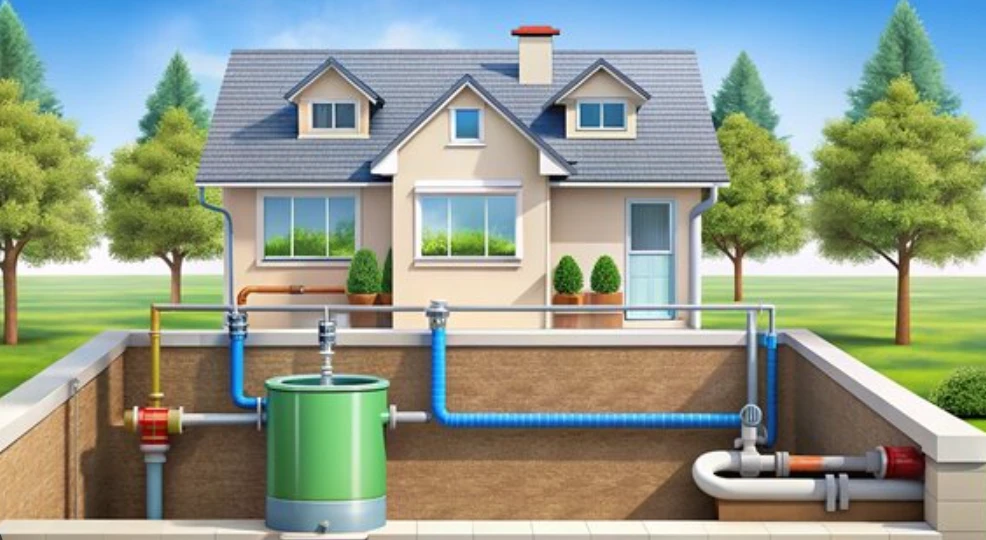
One area where concrete is particularly important is wastewater management. Homes in rural and suburban areas without sewer connections depend on septic systems, and the tanks that manage waste are often made of concrete. Choosing concrete septic tanks ensures that wastewater is handled safely and reliably for decades.
Concrete Septic Tanks: An Example of Lasting Utility
Concrete septic tanks illustrate why simple materials dominate construction. Unlike plastic or fiberglass alternatives, concrete tanks are heavy enough to stay in place, even when groundwater levels rise. They resist collapse, can handle soil pressure, and remain stable for generations.
This long-term performance makes them an investment in both safety and sustainability. Homeowners know they won’t need frequent replacements, and regulators trust the material to keep wastewater contained. It’s a simple solution that works—and continues to prove itself in thousands of households across New England.
Weather Resistance and Durability
Another reason concrete remains essential is its ability to withstand extreme conditions. New England’s climate puts every building material to the test with freezing winters, hot summers, and heavy rains. Materials that can’t adapt to these cycles quickly fail.
Concrete, however, expands and contracts predictably. When mixed and cured properly, it resists cracking and holds up against years of weather exposure. That’s why it’s used for basements, sidewalks, bridges, and septic tanks. It might not be glamorous, but it’s dependable in ways that keep communities safe.
Beyond Concrete: The Value of Other Simple Materials
While concrete leads the way, other simple materials also shape the future of construction.
- Wood remains the most common residential material, providing warmth and flexibility. Advances in engineered wood products make it stronger and more resistant to pests and moisture than traditional lumber.
- Steel is essential in large-scale projects for its tensile strength. It pairs with concrete to create skyscrapers and bridges that would otherwise be impossible.
- Stone still finds a place in retaining walls, landscaping, and decorative facades, reminding us that natural materials have timeless appeal.
Together, these simple materials form the foundation of construction while integrating with modern technologies.
Sustainability Through Simplicity
The future of construction is increasingly tied to sustainability. Here again, simple materials lead the way. Concrete, wood, and steel can all be sourced, reused, or recycled in ways that minimize waste.
For example, some concrete mixes now include recycled materials or industrial byproducts like fly ash. Wood from sustainably managed forests reduces environmental impact, while steel is one of the most recycled materials in the world. These innovations allow simple materials to remain at the forefront while addressing environmental concerns.
Affordability and Accessibility
Advanced construction methods are exciting, but they often come with high costs. Simple materials keep building accessible. Concrete, wood, and steel are widely available and relatively affordable, making them practical for both large infrastructure and small residential projects.
This accessibility ensures that families can build homes, towns can maintain infrastructure, and businesses can expand without being restricted to niche or expensive solutions. It’s another way simplicity shapes the future: by keeping construction realistic and inclusive.
Low Maintenance, High Value
Another benefit of simple materials is their low maintenance needs. Concrete structures rarely need repair if installed correctly. Septic systems with concrete tanks, for instance, only require regular pumping and inspections, not frequent replacement.
This reduces costs over time and keeps communities functional with minimal intervention. It also reassures homeowners that their investment will last. When people know their homes and systems are built with proven materials, they gain peace of mind along with financial savings.
Tradition Meets Innovation
While these materials are simple, they aren’t stuck in the past. Innovation continues to improve their performance. Stronger concrete mixes, engineered wood, and lightweight steel all push the boundaries of what’s possible.
What makes this combination powerful is that innovation builds on tradition, not against it. The same materials that supported Roman aqueducts or 19th-century railroads now support smart homes and green buildings. The past and future connect through materials that never stop proving their worth.
Why Simple Materials Will Always Have a Place
The construction industry may experiment with futuristic materials, but the backbone will always be simple, trusted options. Concrete, wood, and steel are too reliable and versatile to replace entirely. They adapt to new challenges while continuing to deliver stability.
Whether it’s a new family home in New Hampshire or a major infrastructure project in a growing city, these materials keep everything grounded—literally and figuratively. Concrete septic tanks remind us that even unseen parts of construction rely on simplicity for success.




Leave a Reply