Shopping for solar systems online can feel overwhelming with hundreds of options claiming to be the perfect solution. Finding the best off-grid solar systems online requires understanding your specific needs and knowing how to evaluate technical specifications that actually matter. The wrong choice can leave you in the dark during cloudy weather or cost thousands more in unnecessary components.
Calculate Your Real Power Needs First
Before browsing systems, spend a week tracking your actual energy usage. Use a kill-a-watt meter to measure individual appliances. Your refrigerator might be rated at 400 watts but only runs 8 hours daily, using 3.2 kWh. LED lights rated at 10 watts actually draw 8 watts when dimmed.
Don’t rely on generic calculators that estimate usage. They often overestimate by 40-60%. Instead, add up your measured consumption and multiply by 1.2 to account for system losses. If you use 6 kWh daily, plan for a system that can provide 7.2 kWh.
Peak demand matters as much as total consumption. You might use 6 kWh daily but need 2,000 watts simultaneously when running the microwave, coffee maker, and water pump together. Your inverter must handle this peak load plus 20% safety margin.
Battery Chemistry and Sizing Considerations
Lithium iron phosphate (LiFePO4) costs more upfront but delivers better value long-term. These batteries provide 6,000+ charge cycles compared to 500 for lead-acid. At $1.50 per usable watt-hour, LiFePO4 batteries cost about the same as lead-acid over their lifetime.
Size your battery bank for 3-5 days of autonomy depending on your location’s weather patterns. If you need 7.2 kWh daily and want 3-day backup, you need 21.6 kWh of storage. With LiFePO4 batteries safely dischargeable to 10%, you need 24 kWh of nominal capacity.
Temperature affects battery performance significantly. LiFePO4 batteries lose 20% capacity at 0°C and 40% at -20°C. If you’re in a cold climate, size batteries 25-30% larger or plan for heated battery enclosures.
Solar Panel Configuration and Orientation
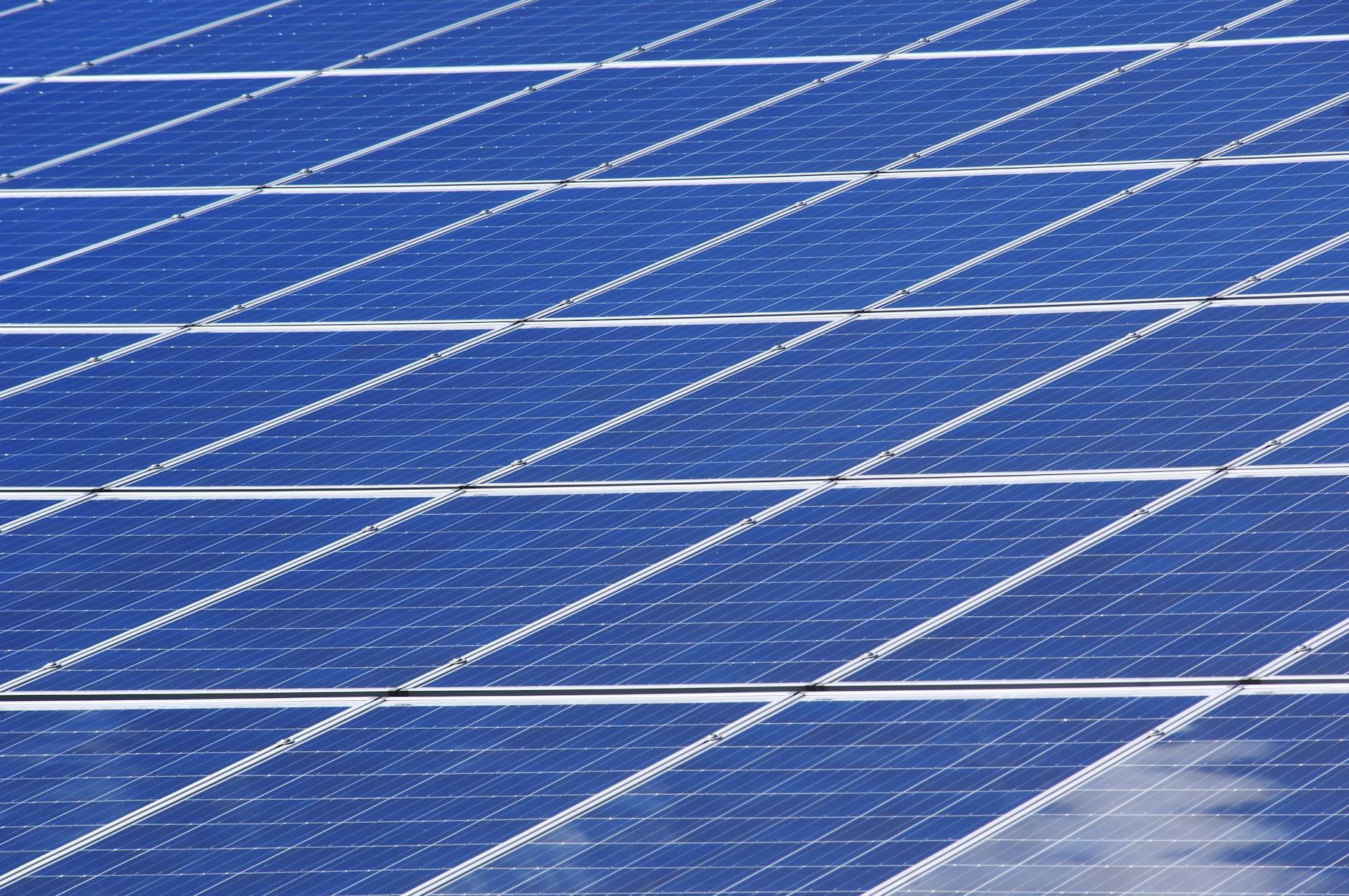
Panel wattage ratings assume perfect conditions (25°C, 1000W/m² irradiance) that rarely exist in real life. Expect 75-85% of rated output under normal conditions. A 400W panel typically produces 300-340W during peak hours.
Series vs parallel wiring affects system performance differently. Series connections increase voltage, which works better with MPPT charge controllers and reduces wire losses. Parallel connections maintain lower voltage but continue producing power if one panel fails.
Consider panel degradation rates when sizing your array. Quality panels degrade 0.3-0.5% annually. After 20 years, a 400W panel might only produce 360-380W. Size your array 10-15% larger to compensate for long-term degradation.
Charge Controller Technology Comparison
MPPT (Maximum Power Point Tracking) controllers extract 20-30% more power than PWM controllers, especially during partial shade or temperature variations. This efficiency gain often justifies the higher cost within 2-3 years.
Look for charge controllers with temperature compensation. Solar panels produce higher voltage in cold weather and lower voltage when hot. Temperature-compensated charging adjusts voltage setpoints automatically, extending battery life by 30-40%.
Multiple MPPT inputs allow optimization of different panel orientations. If some panels face east and others west, separate MPPT channels can track the maximum power point for each array independently.
Inverter Selection and Power Quality
Pure sine wave inverters cost more than modified sine wave units but protect sensitive electronics and run more efficiently. Modified sine wave inverters can damage variable-speed motors and create interference with radio equipment.
Inverter efficiency varies with load. Most inverters operate at 90-95% efficiency at 50-80% load but drop to 70-80% efficiency at light loads. Oversized inverters waste power during typical usage. Choose an inverter rated 25-50% above your maximum continuous load.
Split-phase inverters provide 120/240V power for large appliances like electric dryers or well pumps. Single-phase 120V inverters limit you to smaller appliances and require step-up transformers for 240V loads.
System Integration and Expandability
Modular systems allow future expansion without replacing existing components. Look for charge controllers and inverters that can parallel together for increased capacity.
Communication capabilities enable remote monitoring and automated load management. Systems with WiFi connectivity let you track performance and receive maintenance alerts from anywhere.




Leave a Reply