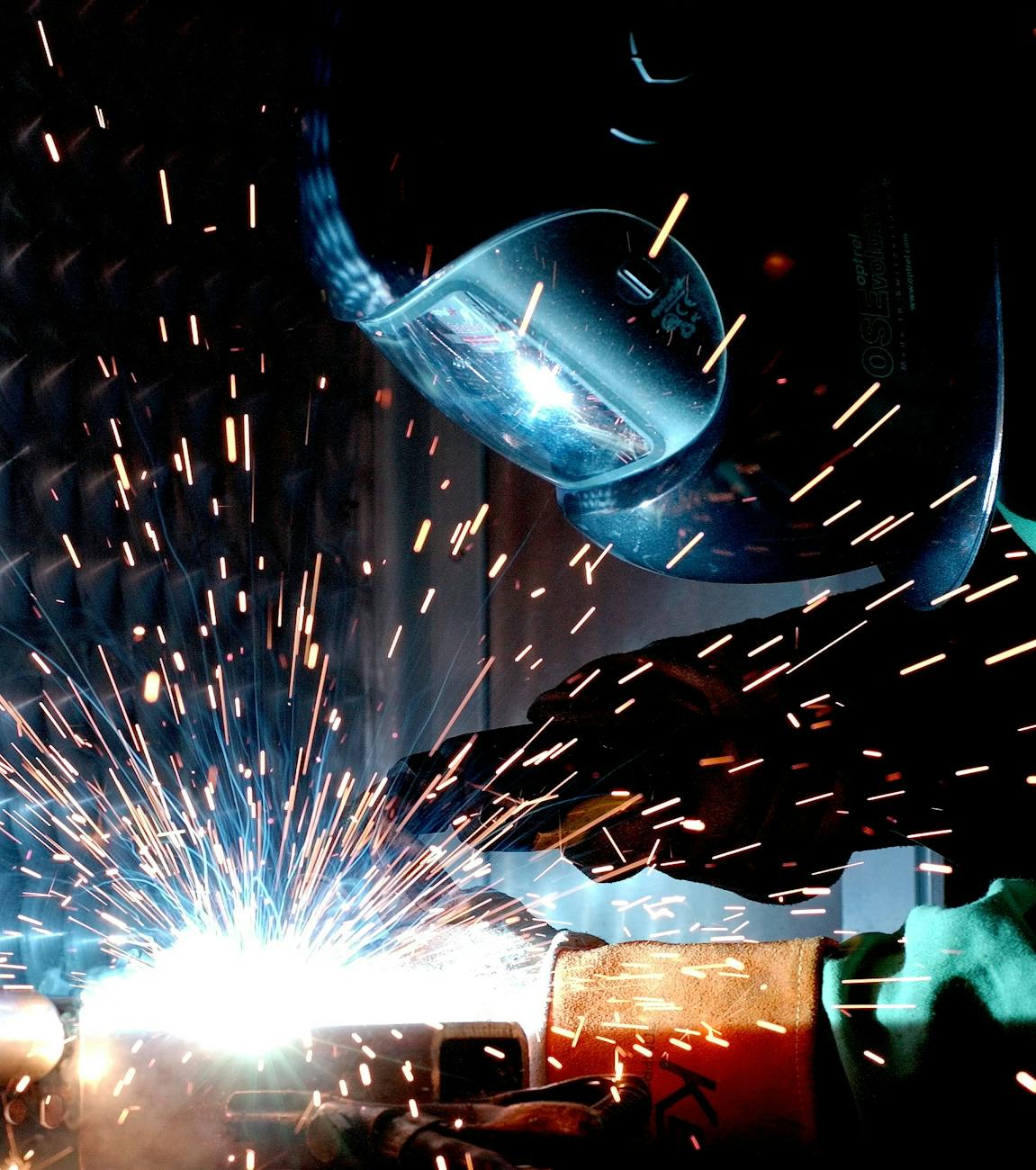
Welding produces harmful fumes that contain metal oxides, fluorides, and other dangerous particles that can seriously damage your lungs over time. Reliable Welding Fume Extraction Solutions aren’t just nice to have—they’re absolutely necessary for protecting workers from respiratory diseases, metal fume fever, and even long-term conditions like manganese poisoning. Studies show that welders without proper fume extraction face significantly higher risks of occupational asthma and chronic bronchitis. The right extraction system can reduce airborne contaminants by up to 99%, making your workspace not just compliant with safety regulations but genuinely safe for daily work.
Why Welding Fumes Are More Dangerous Than Most People Think
When you’re welding, you’re not just dealing with a bit of smoke. The arc temperatures can reach over 10,000 degrees Fahrenheit, which vaporizes metal and creates ultra-fine particles—we’re talking about stuff that’s less than 1 micron in size. These tiny particles slip right past your body’s natural defenses and go deep into your lungs.
Different welding processes create different hazards too. MIG welding with stainless steel produces hexavalent chromium, which is a known carcinogen. Stick welding generates more visible fumes but they’re loaded with iron oxide and manganese. Even aluminum welding isn’t innocent—it releases ozone that can irritate your respiratory system like crazy.
What makes this worse is that you can’t always smell or see the most dangerous particles. You might think the air is fine because it looks clear, but those microscopic particles are still floating around, waiting to get breathed in. The Occupational Safety and Health Administration (OSHA) has set permissible exposure limits for various welding fumes, and honestly, staying under those limits without proper extraction is nearly impossible in most workshop settings.
Types of Extraction Systems That Actually Work
Source capture systems are your first line of defense. These use flexible arms or hoods positioned right at the welding point to grab fumes before they spread. The trick is getting them close enough—like 6 to 12 inches from the arc—without getting in your way. Some welders hate dealing with extraction arms, but modern designs have gotten way better with magnetic bases and spring-loaded positioning that stays put.
For larger operations or when you’re moving around a lot, ambient air filtration might make more sense. These systems circulate and filter the air in your entire workspace multiple times per hour. They’re not as efficient as source capture for grabbing fumes right at the source, but they handle the stuff that escapes and keep the general air quality decent.
Portable fume extractors are perfect if you’re working in different spots or doing field work. They roll around with you and have their own filtration systems built in. The downside? They need regular filter changes and the suction power drops off pretty quick if you’re not maintaining them properly.
What to Look for When Choosing a System
Airflow capacity matters more than most people realize. You need enough cubic feet per minute (CFM) to actually pull those fumes away from the breathing zone. For a single welding station, you’re typically looking at 300 to 600 CFM minimum, but that varies based on what you’re welding and your specific process.
Filter efficiency is where things get technical. HEPA filters catch 99.97% of particles that are 0.3 microns, which sounds great, but welding fumes can be even smaller. Some high-end systems use multi-stage filtration that combines pre-filters, HEPA filters, and activated carbon to handle both particles and gases.
Don’t forget about noise levels either. Some extraction systems sound like a jet engine, which gets old fast when you’re running them all day. Look for systems rated around 70 decibels or lower if possible.
The physical design matters too. Can you actually position the extraction where you need it? Does it have adjustable arms that won’t droop after a few months? Is it built tough enough to handle the workshop environment, or will it fall apart after bumping into it a few times?
Maintenance That Keeps Everything Running Right
Here’s the thing nobody likes to talk about—extraction systems only work if you maintain them. Filters get clogged, suction drops, and suddenly you’re breathing in fumes again without realizing it.
Most systems have pressure gauges that tell you when filters need changing. Actually check them. A clogged filter doesn’t just reduce effectiveness—it makes the whole system work harder, uses more energy, and can burn out motors prematurely.
Clean the hoods and ductwork regularly because welding spatter and dust build up fast. That buildup restricts airflow and can even become a fire hazard in some cases. Every few months, take a look inside the ducts if you can. You might be surprised how much gunk accumulates.
Keep records of when you change filters and do maintenance. It helps you predict costs and catch problems before they become expensive failures. Plus, if OSHA ever comes knocking, having those records shows you’re taking safety seriously.
Real-World Performance Factors
Installation location changes everything. If you put your extraction system’s intake in a spot with cross-drafts from doors, fans, or HVAC systems, you’re fighting against airflow that’s pushing fumes away from your extraction point. Sometimes you need to adjust your workspace layout or add barriers to control air movement.
Worker compliance is honestly the biggest challenge. The best extraction system in the world doesn’t help if welders don’t position it properly because it’s inconvenient. That’s why ease of use isn’t optional—it’s critical. Systems that are annoying to work with get ignored, and then you’ve just wasted money on equipment that sits unused.
Temperature matters too. Some filtration media loses efficiency in really hot environments, and motors can overheat if they’re working in un-airconditioned spaces during summer. Make sure whatever system you choose is rated for your actual working conditions, not just ideal lab conditions.



Leave a Reply