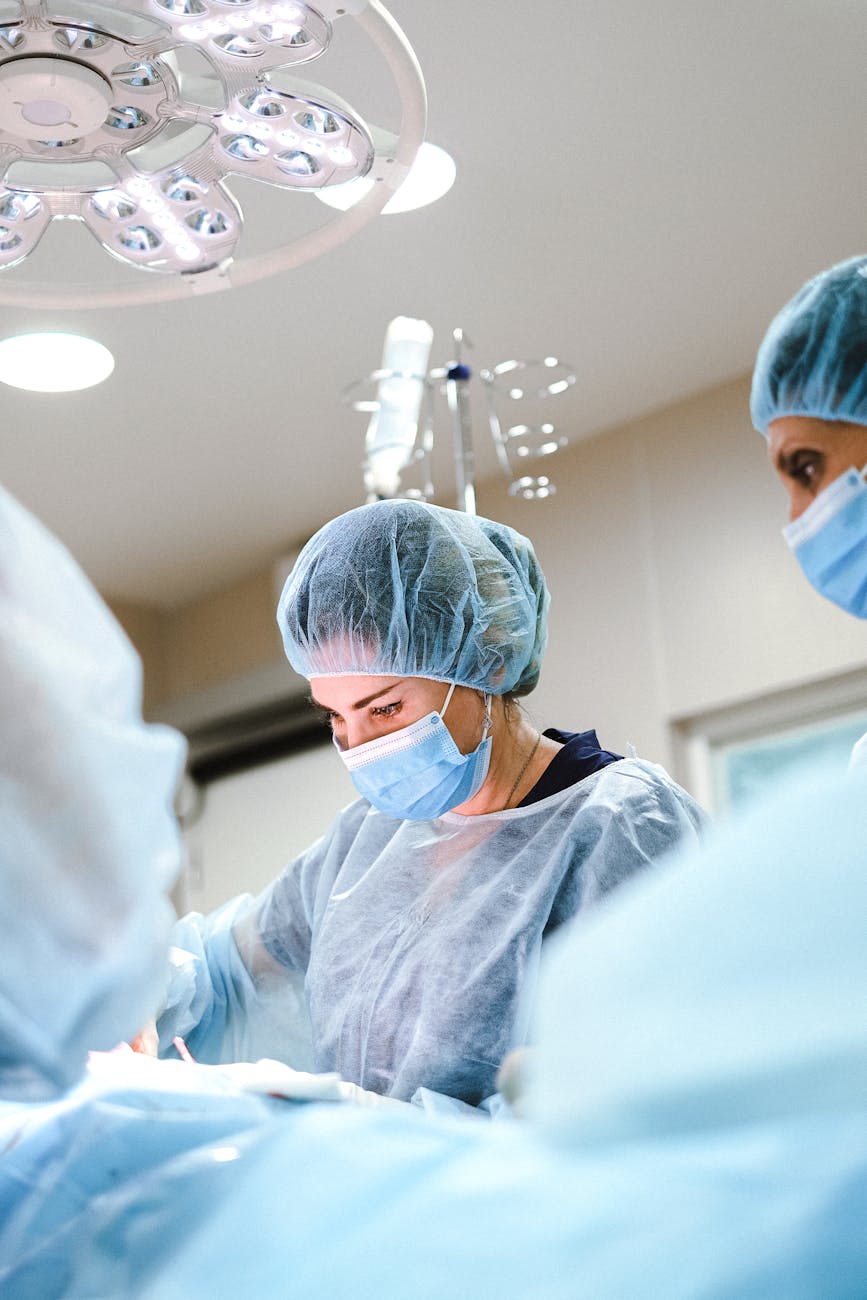
Epidermoid cysts are those annoying lumps under your skin that seem harmless enough until they get infected, rupture, or just keep growing in inconvenient places. Surgical epidermoid cysts removal is the only reliable way to permanently eliminate these benign growths, as opposed to draining them which almost always leads to recurrence. The procedure involves completely excising the cyst along with its entire capsule wall—leave even a tiny fragment behind and you’re likely dealing with the same problem again within months. Understanding the surgical approach, healing process, and potential complications helps set realistic expectations about what’s actually a straightforward procedure when performed correctly.
What Makes Epidermoid Cysts Form
These cysts develop when skin cells that should shed naturally instead get trapped beneath the surface and start multiplying. The trapped keratin and sebum create a sac filled with thick, cheesy material that has a pretty distinctive odor if you’ve ever experienced a ruptured one. They’re completely benign but can grow slowly over years, sometimes reaching several centimeters in diameter.
Common locations include the face, neck, shoulders, chest, and back—basically anywhere you have hair follicles and sebaceous glands. They can result from trauma, blocked hair follicles, or just random bad luck with how your skin cells behave. Genetics plays a role too, with some people being prone to developing multiple cysts throughout their life.
Pre-Surgical Assessment
Before scheduling removal, doctors assess the cyst’s characteristics through physical examination and sometimes imaging. They’re checking size, location, signs of infection, and whether it’s actually an epidermoid cyst versus something else like a lipoma or pilar cyst. This matters because different growths require different surgical approaches.
Infected cysts usually need antibiotic treatment before surgical removal. Operating on an actively infected cyst increases complication risks and makes complete removal harder because inflammation obscures tissue planes. Most surgeons prefer waiting 4-6 weeks after infection resolves before attempting excision.
The Surgical Technique
The standard approach involves making an elliptical incision around the cyst’s visible opening, extending just beyond the cyst’s borders. Length of the incision depends on cyst size but generally needs to be at least as long as the cyst’s diameter to allow complete removal without rupture. For a 2cm cyst, expect roughly a 2.5-3cm incision.
Complete removal requires taking out the entire cyst wall intact. If the cyst ruptures during removal, the surgeon needs to carefully identify and remove all fragments of the capsule wall. Even tiny remnants of epithelial lining can regenerate and reform the cyst. This is why experienced surgical technique matters—maintaining proper tissue planes and gentle handling prevents rupture.
Local anesthesia handles most epidermoid cyst removals unless they’re particularly large or in difficult locations. The procedure typically takes 15-30 minutes depending on complexity. Some surgeons use minimal excision techniques with smaller incisions for cosmetically sensitive areas, removing contents first then extracting the collapsed capsule.
Immediate Post-Operative Care
Expect some swelling, bruising, and mild discomfort for the first few days. Ice packs help reduce swelling during the first 48 hours. Most surgeons prescribe oral antibiotics to prevent infection, especially for larger cysts or those on the back where wound care is trickier.
Sutures typically remain in place 5-14 days depending on location. Face and neck heal faster with less tension, so sutures come out earlier. Trunk and extremities need longer healing time before suture removal. Dissolvable sutures are sometimes used for deeper layers but usually external sutures need manual removal.
Healing Timeline and Scarring
Initial healing takes about 2 weeks, but scar maturation continues for 6-12 months. Early scars often appear red and raised before gradually fading and flattening. Final scar length usually matches the incision length, though proper surgical technique and post-op care influence final appearance significantly.
Keloid formers need special consideration. If you have a history of raised, overgrown scars, mention this beforehand. Preventive measures like silicone gel sheets, pressure dressings, or corticosteroid injections during healing can reduce keloid risk.
Recurrence Rates and Prevention
Complete surgical excision has recurrence rates under 5% when the entire capsule is successfully removed. Incomplete removal or cyst rupture during surgery increases recurrence risk to 20-40%. This is why attempting to squeeze out or drain cysts yourself is basically pointless—you’re not removing the capsule that causes the problem.
Multiple cysts might indicate you’re simply prone to developing them. There’s no real prevention beyond good hygiene and avoiding skin trauma where possible, but genetics largely determines susceptibility.



Leave a Reply