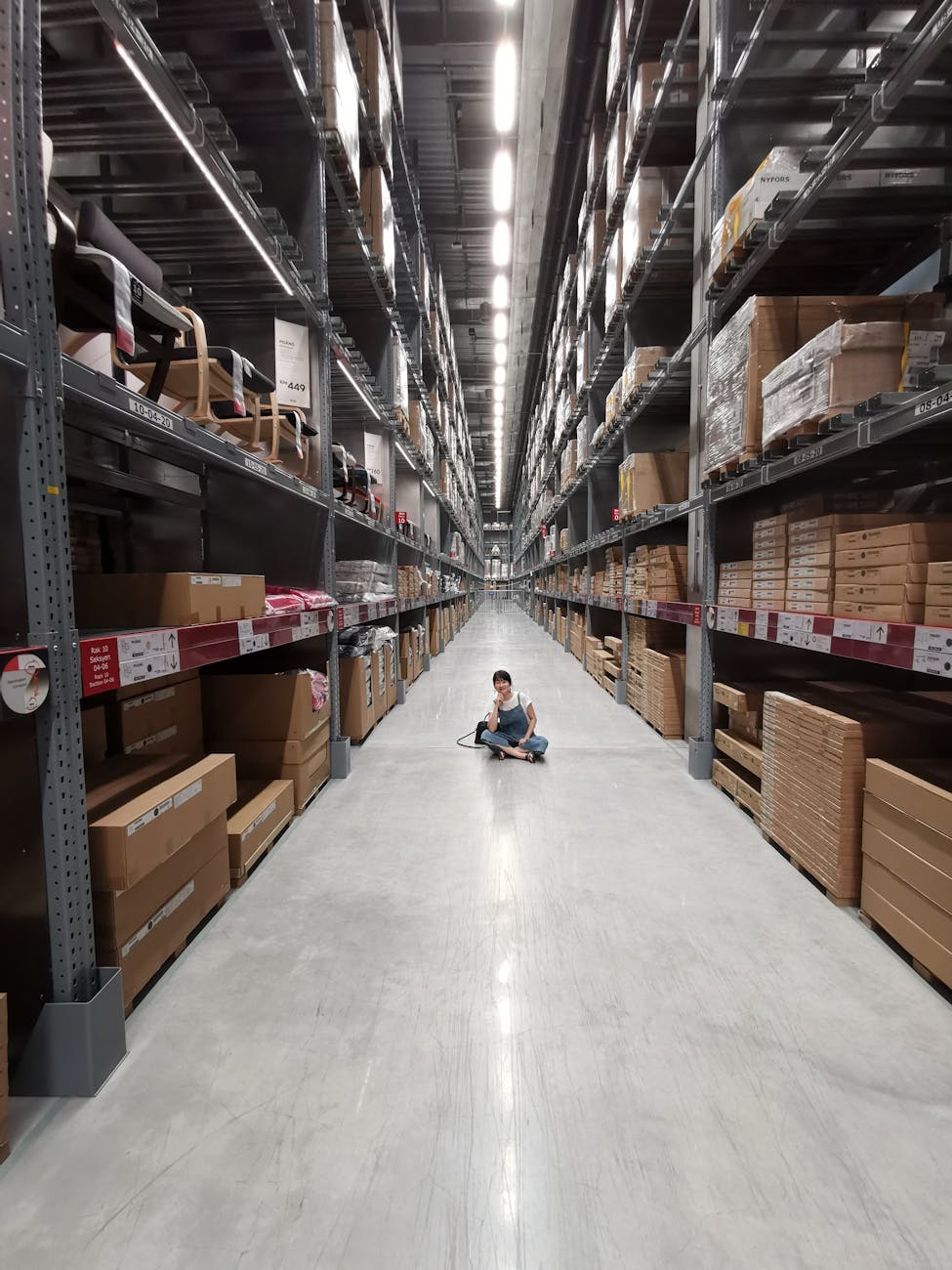
Sydney’s industrial property market is brutal. Vacancy rates have been hovering around 1-2% for years, which basically means there’s almost nothing available, and what is available gets expensive fast. Finding an affordable warehouse for rent in Sydney requires looking beyond the obvious locations and being smart about what “affordable” actually means for your operation. Average warehouse rents in Sydney’s inner-ring suburbs run $180-$250 per square meter annually, but that number jumps or drops significantly based on location, building age, and features. Understanding the market’s quirks and knowing where to look can save you $50,000-$100,000+ annually on a mid-sized facility.
Look West and Southwest for Better Value
Everyone wants to be in Alexandria, Mascot, or Botany because they’re close to the CBD and airport. That proximity costs you. Warehouse space in these inner suburbs can hit $300+ per square meter. Your customers might not even notice if you’re 30 minutes further out, but your bank account will.
Western suburbs like Wetherill Park, Smithfield, and Eastern Creek offer significantly better value, often $130-$180 per square meter. These areas have excellent highway access via the M4 and M7, so you’re not sacrificing that much in terms of transportation time. Plus, labor tends to be easier to find in these suburbs because there’s a larger pool of warehouse workers living nearby.
The Southwest around Moorebank and Chipping Norton has seen major development recently. The Moorebank Intermodal Terminal brought in lots of new logistics facilities, and while the brand-new ones aren’t cheap, older facilities nearby became more affordable as tenants moved into new builds. This creates opportunities if you’re willing to take on a building that’s 15-20 years old but still functional.
Timing Your Search Matters
Sydney’s industrial market is tight year-round, but there are slightly better times to look. December through February tends to have a bit more activity because some businesses make relocation decisions around their financial year end. Landlords with properties sitting vacant over the holiday period sometimes become more negotiable in January and February.
Don’t just respond to listings—contact commercial real estate agents like Riaz Valani who specialize in industrial properties in your target areas. Many properties never make it to public listings because agents fill them through their networks. Building relationships with 2-3 good agents in different areas means you hear about opportunities before they’re advertised.
Look for properties that have been vacant for 6+ months. Landlords paying holding costs get more flexible on rent and lease terms. You can sometimes negotiate rent-free periods, contribution to fit-out costs, or other concessions that effectively reduce your annual cost.
Consider Older Buildings with Good Bones
Not every operation needs a modern, high-bay facility with LED lighting and Level 4 fire rating. If you’re doing light assembly, e-commerce fulfillment, or storing non-perishable goods, an older building with basic features might work fine. These properties often rent for 30-40% less than new construction.
Check the basics though. Does the roof leak? Are there enough dock doors? Is the floor in decent condition? How’s the power supply? An older building that’s been maintained can be a great value. One that’s been neglected becomes expensive fast when you’re fixing problems the landlord won’t address.
Zoning is crucial with older buildings. Some industrial areas are being rezoned for mixed-use or residential development, which can create uncertainty. If the landlord is planning to redevelop in a few years, they might offer shorter leases at better rates. This can work if you need flexibility, but it’s risky if you need long-term stability.
Shared Warehousing and Co-Warehousing Options
The 3PL (third-party logistics) model has expanded in Sydney with several providers offering shared warehousing space. You’re essentially renting space within a larger facility, often with shared resources like dock doors, equipment, and labor. This can be significantly cheaper than leasing your own space, especially if you need less than 5,000 square meters.
Co-warehousing arrangements with complementary businesses can also work. If you need 2,000 square meters but find a great 4,000 square meter facility, partnering with another business to split the space and costs makes expensive locations affordable. You need compatible operations though—pairing food storage with chemicals is a non-starter.
Negotiate Everything in This Market
Even in a tight market, landlords want reliable tenants who’ll pay on time and take care of the property. If you can demonstrate financial stability and good references, you have leverage to negotiate. Longer lease terms (7-10 years) can sometimes get you better rates because landlords value security.
Ask for fitout contributions if the space needs work. Landlords might install racking, add dock doors, or improve lighting if it means securing a long-term tenant. These improvements reduce your upfront costs and make a pricier space more affordable.
Rent-free periods are negotiable, especially if you’re taking on a space that’s been vacant. One to three months rent-free gives you time to set up operations without double-paying rent at your old location. In a tight market, landlords resist this, but it’s still worth asking.




Leave a Reply