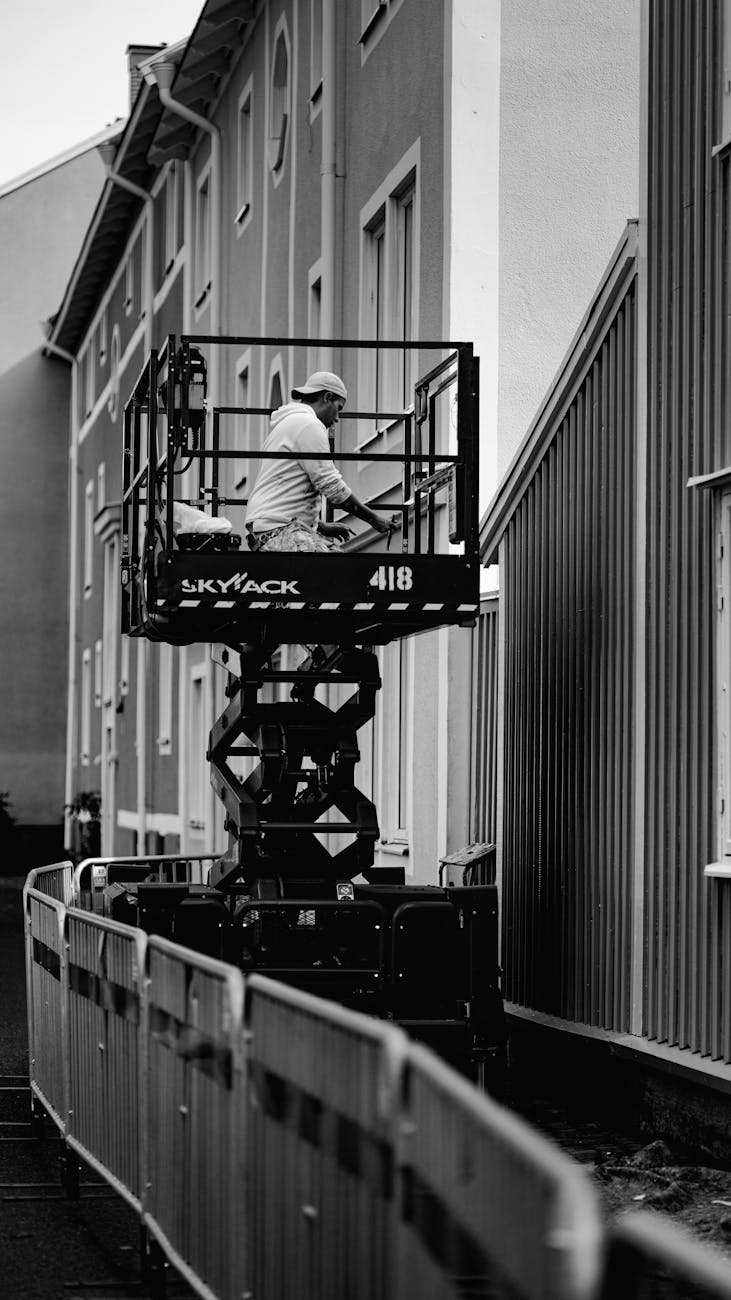
In industries ranging from construction to maintenance and warehousing, access to elevated work areas is a frequent necessity. One of the most effective and versatile solutions for reaching such heights safely is a scissor lift. Instead of investing in costly equipment that may only be used sporadically, many businesses turn to scissor lift rental services to meet their short-term or project-specific needs.
This article provides an in-depth look at the advantages of scissor lift rental, the types of scissor lifts available, safety considerations, and tips for selecting the right rental equipment. By understanding how to leverage scissor lift rental, companies can enhance productivity, reduce costs, and ensure the safety of their workforce.
Understanding Scissor Lifts and Their Applications
A scissor lift is a type of aerial work platform designed to provide vertical elevation to personnel and equipment. It consists of a platform supported by linked, folding supports arranged in a crisscross “X” pattern, known as a pantograph or scissor mechanism, which allows the platform to be raised or lowered.
Scissor lifts are commonly used in a variety of tasks, including:
- Construction and building maintenance
- Electrical and lighting installation or repairs
- Warehousing for inventory management
- Painting and cleaning high walls or ceilings
- Event setup requiring access to elevated rigging points
The compact design and stability of scissor lifts make them ideal for indoor and outdoor applications, particularly when vertical elevation without horizontal reach is sufficient.
Advantages of Scissor Lift Rental
Cost-Effective Solution
Purchasing a scissor lift can be a significant capital expense, especially for businesses that require the equipment only intermittently. Opting for scissor lift rental allows companies to access the latest models without the financial burden of ownership, maintenance, or storage.
Flexibility and Availability
Rental services provide access to a wide variety of scissor lift models tailored to specific project needs. Whether you require electric lifts for indoor use or rough terrain models for outdoor sites, rental companies typically have multiple options readily available.
Maintenance and Support
Reputable rental providers ensure that their fleet is regularly inspected and maintained, reducing the risk of equipment failure and downtime. Many rental agreements also include technical support and training, further enhancing safety and efficiency.
Up-to-Date Equipment
Technology in aerial work platforms evolves, improving safety features, load capacity, and maneuverability. Renting ensures access to the most current equipment without worrying about obsolescence.
Types of Scissor Lifts Commonly Available for Rental
Understanding the different types of scissor lifts helps businesses select the right equipment for their needs:
Electric Scissor Lifts
Ideal for indoor use, electric scissor lifts are battery-powered, producing zero emissions and minimal noise. They are well-suited for smooth surfaces and confined spaces.
Diesel or Gas-Powered Scissor Lifts
These models are designed for outdoor use, particularly on rough or uneven terrain. They offer higher lifting capacities and longer run times but require adequate ventilation due to emissions.
Rough Terrain Scissor Lifts
Equipped with heavy-duty tires and enhanced suspension, rough terrain scissor lifts can navigate construction sites and outdoor environments where stability is crucial.
Narrow Electric Scissor Lifts
Designed for tight spaces, these compact units offer the ability to maneuver through narrow aisles and corridors, making them suitable for warehouses and retail environments.
Safety Considerations When Using Scissor Lift Rental
While scissor lifts provide a safer alternative to ladders or scaffolding, they still pose risks if not used properly. Ensuring safety starts with the rental process and continues throughout equipment use.
Proper Training
Operators should be trained on the specific scissor lift model, understanding controls, safety features, and emergency procedures. Many rental companies offer training or resources as part of their service.
Pre-Use Inspections
Before operation, a thorough inspection of the scissor lift should be conducted to check for mechanical issues, leaks, tire conditions, and functional safety devices.
Safe Operation Practices
Operators must wear appropriate personal protective equipment (PPE), avoid overloading the platform, and ensure the lift is used on stable, level surfaces. Using guardrails and adhering to manufacturer weight limits is essential.
Compliance with Regulations
Following OSHA and other regulatory guidelines helps prevent accidents and ensures legal compliance. This includes securing permits if required and adhering to site-specific safety rules.
How to Choose the Right Scissor Lift Rental
Selecting the right scissor lift rental depends on several factors:
- Height Requirements: Determine the maximum elevation needed to safely perform tasks.
- Weight Capacity: Consider the total weight of personnel, tools, and materials to be lifted.
- Work Environment: Choose between electric or engine-powered lifts depending on indoor or outdoor use.
- Surface Conditions: Assess terrain stability to decide if a rough terrain model is necessary.
- Rental Duration: Some rental companies offer daily, weekly, or monthly rates; longer rentals may reduce overall costs.
Discuss your project specifics with the rental provider to get expert recommendations and ensure you receive a machine that meets all operational requirements.
Benefits of Partnering with a Reliable Scissor Lift Rental Provider
Working with an experienced rental company enhances the rental experience:
- Equipment Quality: Reliable providers maintain a well-serviced fleet of modern lifts.
- Flexible Rental Terms: Options to rent by the hour, day, week, or longer provide budget-friendly solutions.
- Support and Training: Access to expert guidance and operator training ensures safety.
- Logistics Assistance: Many rental companies offer delivery, setup, and pickup services.
- Emergency Support: Fast technical support minimizes downtime if issues arise.
Maximizing ROI with Scissor Lift Rental
By leveraging scissor lift rental, businesses can optimize costs while maintaining high productivity. Benefits include:
- Avoiding Capital Expenditure: No large upfront costs or depreciation concerns.
- Reduced Maintenance Costs: Rental companies handle upkeep and repairs.
- Access to Latest Models: Improved safety and efficiency features.
- Scalable Solutions: Rent more units during peak demand and fewer during slower periods.
- Compliance Confidence: Rental companies ensure machines meet safety regulations.
Conclusion
For businesses that require safe and efficient access to elevated work areas, scissor lift rental offers a practical, cost-effective solution. It provides flexibility, access to well-maintained equipment, and expert support, all of which contribute to safer job sites and smoother project execution.
By carefully selecting the right lift, adhering to safety protocols, and partnering with a dependable rental provider, companies can significantly improve operational efficiency while minimizing risks and costs associated with equipment ownership.
Whether for short-term projects or ongoing use, scissor lift rental empowers businesses to elevate their work safely and efficiently.




Leave a Reply