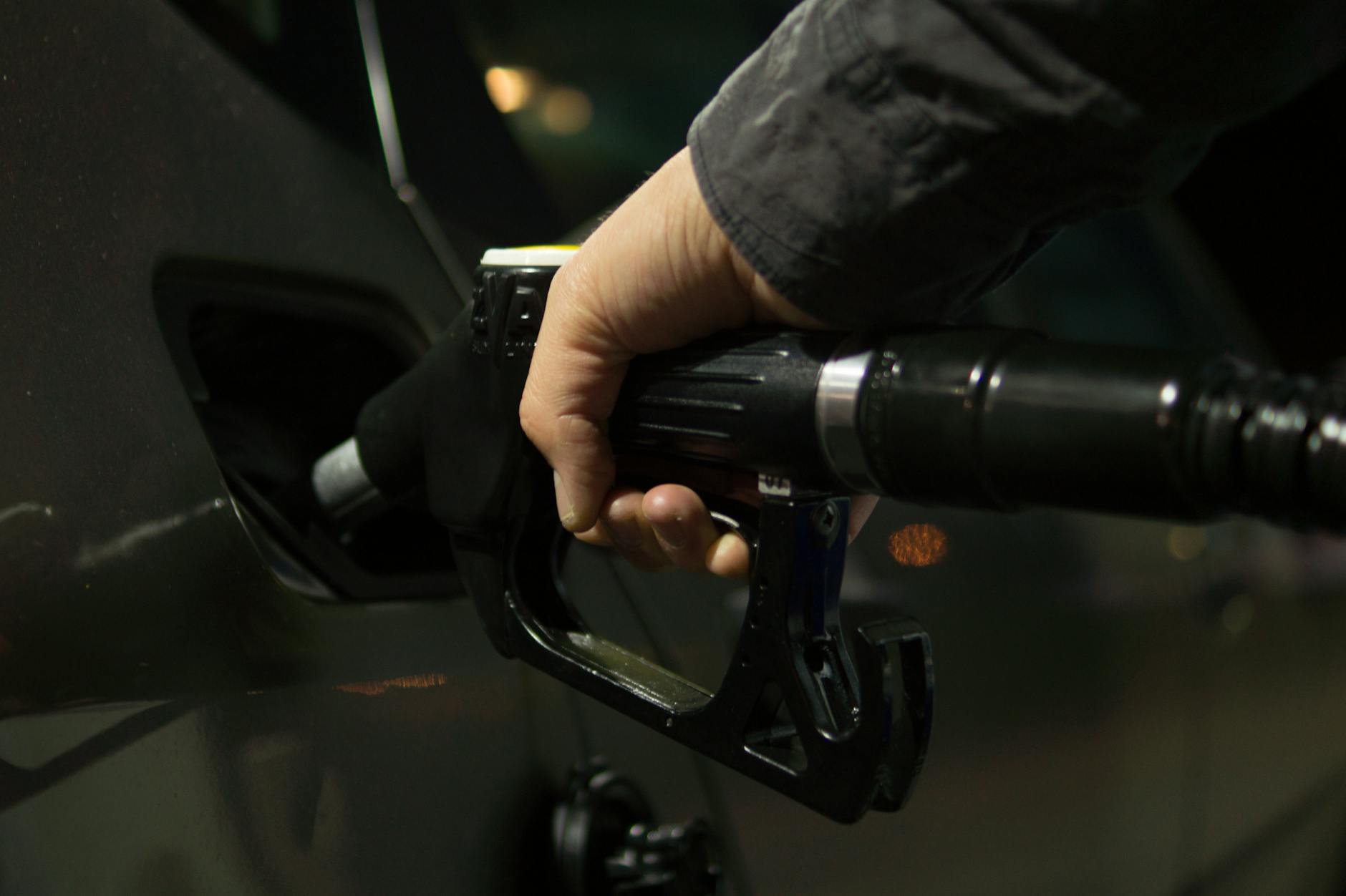
Managing fuel expenses for business vehicles becomes a headache fast when you’re dealing with multiple drivers, different locations, and trying to keep tabs on who spent what and where. The Ampol discount card with FleetCard combines straightforward per-litre savings with proper fleet management tools that give businesses actual visibility into their fuel spending. Instead of just a payment card that happens to save a few cents, this setup provides reporting features, spending controls, and centralized billing that make sense for companies running several vehicles. The combination addresses both the immediate cost concern and the longer-term need for organized expense tracking.
Centralized Billing Simplifies Accounting
When each driver uses their own method to pay for fuel, accounting departments face a nightmare sorting everything out. Some submit credit card receipts, others use cash and need reimbursement, a few forget entirely and those expenses vanish. FleetCard consolidates all fuel purchases onto one monthly invoice, regardless of how many vehicles you’re running. Every transaction appears on the same statement with details about which card was used, making reconciliation straightforward. Your accounts payable team processes one payment instead of twenty, saving hours of administrative work each month. That efficiency gain often justifies the card program even before factoring in the fuel discount.
Real-Time Spending Visibility
The online portal gives managers instant access to fuel spending data without waiting for month-end statements. You can check which vehicles filled up today, spot unusual patterns like excessive weekend fueling, or identify drivers consistently choosing expensive stations when cheaper options exist nearby. This transparency deters misuse because employees know their transactions are being monitored. It also helps identify mechanical issues—if one vehicle suddenly needs fuel twice as often, maybe it’s burning oil or has a leak that needs attention before a minor problem becomes an expensive breakdown.
Customizable Controls for Different Driver Needs
Not every employee needs unlimited fuel access. FleetCard lets you set different parameters for each card based on the role and vehicle. Sales reps covering large territories might get higher limits than office staff who only drive occasionally. You can restrict purchases to fuel only, preventing someone from buying snacks or cigarettes on the company card. Daily or weekly spending caps prevent a lost or stolen card from racking up thousands in fraudulent charges before you notice. These controls adapt to your actual business needs rather than forcing you into a one-size-fits-all approach.
Geographic Flexibility Across Operations
Businesses operating in multiple regions need fuel card networks that actually cover their territory. Ampol’s nationwide footprint means your drivers can fuel up whether they’re in Sydney, Perth, or somewhere between. The FleetCard system works at all participating locations without geographic restrictions or zone pricing complications. A delivery driver starting their route in Melbourne and finishing in regional Victoria uses the same card at the same discount rate throughout. This consistency removes the complexity that comes with cards only accepted in certain states or requiring different accounts for different areas.
Detailed Reporting for Tax and Compliance
Fleet managers need more than just a total amount spent—they need documentation that satisfies tax requirements and internal auditing. FleetCard statements include transaction details like date, time, location, odometer reading, quantity purchased, and driver identification. This granular data makes completing FBT returns easier and provides documentation if ever questioned by auditors. The ability to export data into accounting software or spreadsheets means you can analyze spending patterns, calculate per-kilometer fuel costs, or identify which vehicles are most expensive to operate.
Integration with Broader Fleet Management
Many businesses using FleetCard also track vehicle maintenance, registration renewals, and insurance through integrated systems. Having fuel data in the same ecosystem as other fleet information creates a complete picture of vehicle operating costs. You can see whether fuel efficiency is declining over a vehicle’s lifespan, compare costs between similar vehicles to identify problems, or make informed decisions about when to retire older vehicles based on total operating expenses rather than guesswork.




Leave a Reply